
Current Research Projects
Click on the project images for further details on the research project.
 AIM CP (Achieving IMproved outcomes for children with Cerebral Palsy)
AIM CP is an interdisciplinary research project which seeks to achieve improved outcomes for children with cerebral palsy. It connects researchers from the Trinity Schools of Medicine, Engineering, Computer Science and Statistics and Psychology and the Central Remedial Clinic. There are five interrelated PhD projects: AIM CP Sleep, AIM CP Motion, AIM CP Childhood, AIM CP Model and the childhood cohort of ALPACAS.
 Standardising the training and expertise of health and social care professionals delivering care to children with Cerebral Palsy in Ireland.
This project explores the competence and confidence of therapists working with children with cerebral palsy in Ireland, explores whether there is any agreed standard of expertise described internationally and endeavours to achieve international expert agreement on the skillset and training required to deliver best evidence-based care to children.
 ELEVATE - AIM High: Assessing Intellectual and Motor outcomes in High-Risk infants
AIMHigh will examine motor, cognitive and executive outcomes separately, using targeted cohorts. Current CP diagnosis is often delayed until age 2; need for early detection using EEG, neuro-specific biomarkers, and motor/cognitive assessment to provide robust diagnostic and prognostic information.
 ELEVATE - COOLPRIME: Comparative Effectiveness for Cooling Prospectively Infants with Mild Encephalopathy
COOLPRIME is an observational study that will observe the effects of therapeutic hypothermia (TH) vs normothermia (NT) in infants with mild hypoxic ischemic encephalopathy (HIE).
 CP GenIE - Cerebral Palsy Genomics in Ireland
Investigates the genetic variants commonly found in children with cerebral palsy (CP) in Ireland. The research aims to improve our understanding of how genes influence the development of CP. As genomic knowledge continues to grow globally, insights from this work could inform how CP is defined and diagnosed, support better communication with families, and guide future therapeutic approaches.
 Transition: Bridging the Gap: Strengthening Transition from Paediatric to Adult Healthcare for Young People with Disabilities in Ireland
This project explores how young people with physical disabilities transition from paediatric to adult healthcare services in Ireland. Through surveys, focus groups, and stakeholder workshops, it will identify barriers and co-design practical solutions to improve coordination, communication, and continuity.
 ALPACAS: ALtering Persistent inflammation And outcomes in children at high risk of Cerebral pAlSy
This project aims to improve outcomes for all children and adults with CP by understanding multi-organ dysfunction and its impact across the life course. We will develop policy, advocacy and health services for children and adults with CP.
 BLOSSOM - Brightening Lives: Occupational performance Supporting Skills and Opportunities for Meaningful participation
We will investigate neurodevelopmental and occupational performance outcomes in complex neonates and their families. Incorporating caregiver and clinician perspectives, it will explore the need for inclusive follow-up, early intervention and enhance understanding of infants’ participation and occupations in everyday life, from birth through the first year of life.
 THRIVE - Early Detection and Identification of Infants at High Risk of Cerebral Palsy at Children’ Health Ireland
The Early Detection and Identification (EDI) project at Children’s Health Ireland supports infants and their families identified at high risk of cerebral palsy (CP). Through standardised assessments, early intervention, and national follow-up clinics, it enables timely diagnosis, equitable access, and optimised developmental outcomes for children and families across Ireland.
Previous Research Projects
SPIRE: Severe neurological imPairment in IREland
SPIRE (Severe neurological imPairment in IREland) is a network of research studies focusing on children living with the most severe level of physical and cognitive disability and complex healthcare needs, as well as the lived experience of their families.
 NIMBUS: Neonatal Inflammation and Multiorgan dysfunction and Brain injUry reSearch group
Neonatal encephalopathy describes the babies who require resuscitation at birth and have an abnormal neurological examination. We aim to correlate these inflammatory responses with clinical, neurodevelopmental and MRI outcomes.
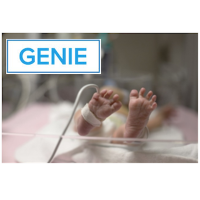 GENIE: GEnder and Neonatal Inflammation in prEterm outcomes
Preterm boys experience higher rates of mortality and severe outcomes than girls. This study examines how infection, inflammation, and sex hormones contribute to these differences, aiming to identify mechanisms, develop targeted therapies, improve organspecific care, and create parent resources to enhance prognosis and treatment for vulnerable preterm infants.
 PLATYPUS: Preterm infant immunomoduLAtion to Treat sepsis and brain injurY Prevention
Preterm infants have a high risk of infection due to alterations in their immune system that are not completely understood. We study new tests that will help to predict outcomes and responses to treatment and help parents with planning healthcare needs for their baby.
 FIREFLY: Followup of Inflammatory Responses and multiorgan outcomes FoLlowing neonatal brain injurY
Perinatal global hypoxic ischaemia associated with Neonatal Encephalopathy (NE) results in multi-organ dysfunction which may persist in later childhood. We aim to examine multi-organ dysfunction in early childhood in children who had NE and developmental outcomes.
 STARFISH: STARFISH: Sustained inflammaTion in preterm infAnts and multioRgan dysfunction correlateS witH long term outcomes
Preterm infants face high risks of multiorgan dysfunction and neurodevelopmental impairment linked to persistent inflammation. This project follows a detailed preterm cohort to study immune mechanisms, develop definitions and family resources, and build machinelearning tools to predict outcomes and guide targeted followup and future immunomodulatory therapies.