
Gastrointestinal Biobank
Department of Surgery, School of Medicine, Trinity Translational Medicine Institute, St. James’s Hospital (SJH)
There are 5 Gastrointestinal (GI) Biobanks based in the Department of Surgery:
- Upper Gastrointestinal Biobank
This biobank collects samples from patients with a cancer of the oesophagus (food pipe) or stomach, and from non-cancer patients (patients with a benign gastrointestinal disease). These samples include tumour and surrounding normal tissue, bloods, muscle, liver, lymph node, and fluid from the chest cavity.
Translational Research Coordinator: Ms Marguerite Blanc
- Lower Gastrointestinal Biobank
This biobank collects samples from patients with a cancer of the bowel or rectum, and from non-cancer patients (patients with a benign gastrointestinal disease). These samples include tumour and surrounding normal tissue, and bloods.
Translational Research Coordinator: Ms Sarah Crean
- Barrett’s Oesophagus Biobank
This biobank collects samples from patients with a pre-cancerous condition of the oesophagus, known as Barrett’s disease. These samples include tissue biopsies, gastric juices, and bloods.
Translational Research Coordinator: Ms Saoirse Duggan
- Inflammatory Bowel Disease (IBD)Biobank
This biobank collects samples from patients with IBD, an inflammatory condition of the large intestine. These samples include tissue biopsies, and bloods.
- Pancreatic Biobank
This biobank collects samples from patients undergoing investigations for pancreatic cystic lesions. The pancreatic biobank includes whole blood, serum, plasma and pancreatic cyst fluid samples obtained from patients with pancreatic cystic lesions during routine endoscopic ultrasound procedures.
Pancreatic Biobank Manager: Dr. Laura E. Kane.
Our research focuses on understanding conditions (both benign and cancerous) of the gastrointestinal tract. We sometimes work with pharmaceutical companies to find better treatments. For example, some of our biobank researchers are working with the following health-related companies: Remedy Biologics, Legend Biotech, Deciphex, Vivan Therapeutics, Mirai Medical, Haystack MRD, who are trying to find new therapies for GI diseases.
Patients presenting to St. James’s Hospital for an endoscopy procedure, surgery or chemotherapy sessions are invited to take part in the respective biobank. This involves a doctor/member of the biobank research team discussing the research with patients and answering any questions they may have. If the patient is willing to take part, the patient will sign a consent form and donate samples.
Current Academic Projects under the Upper & Lower GI Biobanks
Professor Jacintha O’Sullivan’s Projects:
Investigating the role of complement in predicting and modulating treatment resistance in refractory gastro-oesophageal cancers
- Project Leads: Dr Niamh Lynam-Lennon and Prof Jacintha O’Sullivan (TCD)
- Funder: Musgrave PhD Scholarship in Partnership with Breakthrough Cancer Research.
- Members: Kirstan Murphy.
- Purpose of Project: In Ireland each year, over a thousand patients are diagnosed with gastro-oesophageal cancers, which affects the stomach and the food pipe. Unfortunately, these cancers have a poor survival rate. Patients are treated with chemotherapy drugs, which aim to kill the tumour cells, followed by surgery. Unfortunately, for many patients, these treatments do not work as their tumour has developed ways to resist treatment. Currently, there is no test to inform doctors, which patients will benefit from these treatments, and there are no current treatments that prevent tumours from becoming resistant. My research project aims to investigate if we can use the complement system, a key part of the immune system, as (i) a marker to predict which patients will benefit from chemotherapy and (ii) identify new treatment approaches to prevent or reverse tumours from becoming resistant to chemotherapy
Investigating the role for a novel protein as a biomarker and therapeutic target for overcoming treatment resistance in oesophageal adenocarcinoma
- Institute: Royal College of Surgeons in Ireland and Trinity College Dublin
- Lead on Project: Primary supervisor: Dr. Aisling Heeran
- Secondary supervisors: Prof Jacintha O’Sullivan and Prof Tracy Robson
- Researcher: Ms Meghana Menon
- Purpose of project: The project has been funded by Musgrave PhD Scholarship in partnership with Breakthrough Cancer Research. Our group has identified a novel role for this protein, which was originally characterised for its anti-cancer effects in hormone-regulated malignancies. However, recent data have shown a divergent pro-tumorigenic role in oesophageal cancer. Moreover, higher amount of this protein was found in patient samples that fail to respond to standard therapies, suggesting a role in treatment resistance. Thus, this project will, for the first time, elucidate the molecular mechanisms underlying this observation and investigate the protein’s potential as a predictive biomarker for treatment response, as well as a therapeutic target in treatment-resistant oesophageal cancer.
VisOxE - Optimising radiotherapy response in hypoxic solid tumours and evaluating immune stimulation using a novel intra-tumoral oxygen delivery platform.
- Project Leads:Prof Jacintha O’Sullivan (TCD) and Prof Helena Kelly (RCSI).
- Funder:Research Ireland - Accelerating Research to Commercialisation (ARC) Hub.
- Members: Dr Maitiú Ó Murchú
- Purpose of Project:After cancer initiation, cancer cells tend to divide rapidly and progress to form a tumour. This rapid proliferation requires a significant amount of nutrients, including oxygen. The demand for nutrients, specifically oxygen, gradually becomes greater than the supply of oxygen to the tumour. This can lead to a lack of oxygen, or hypoxia, in the tumour, and can happen very early on at the cancer site. Hypoxia is found in most tumours and is associated with reduced treatment efficiency, regardless of treatment approach. This Research Ireland ARC Hub project aims to increase oxygen levels in the tumour to improve radiotherapy efficiency with the overall goal of improving cancer patient survival.
Investigating the effect of electroporation on the Barrett’s Oesophagus tissue microenvironment
- Lead on project: Prof Jacintha O’Sullivan
- Members: Lorraine Smith
- Programme Manager (ALLCaN Network): Dr James Phelan
- Collaborators: Dr Sharon McKenna, Dr John Mackrill University College Cork
- Purpose of the Project: Barrett’s Oesophagus can progress to oesophageal cancer. Patients with advanced Barrett’s are treated with radio frequency ablation which uses heat to destroy diseased cells, but this can be painful among other side effects. We are exploring electroporation as an alternative therapy which kills abnormal cells using electrical pulses without harming healthy tissue. Electroporation is in clinical trials for other cancers with promising results. Using patient samples and other cell models, we hope to understand the biology of electroporation better so that this can be provided as a potentially safer, less painful and more effective therapy for patients.
Breaking the Obesity-Cancer Link; a theranostic role for FKBPL in modulating immunometabolism across disease progression in oesophageal cancer
- Lead on Project: Prof Jacintha O’Sullivan, Prof Tracy Robson
- Members: Ms Raquel Santamaria Cuevas, Ms Claudine Duggan, Mr Muhammed Waleed Baig
- Collaborator(s): RCSI
- Purpose of Project:Oesophageal cancer is one of the most aggressive cancers and is often linked to reflux. One substance present during reflux is a bile acid called deoxycholic acid (DCA), which may harm cells over time. In this project, we study how DCA affects both healthy and cancerous oesophageal cells grown in the lab. We focus on two proteins: γH2AX, which signals damage to the cell’s genetic material, and FKBPL, a protein that may influence how cells respond when they are harmed. Understanding these changes could uncover new mechanisms of progression and possible targets for future therapies.
ARMOR: tAilored peRsonalised Medicine fOr gastric cancer
- Lead on Project: Jacintha O’Sullivan, Prof Maeve Lowry
- Members: Dr Camille Hurley, Ms Raquel Santamaria Cuevas, Dr Oana Deac, Ms Erin Kindlon
- Collaborators: TU Dresden, Vivan Therapeutics
- Purpose of Project: For stomach cancer patients, current treatment options are limited to general chemotherapy which is not effective in many patients. Because all tumours are different, even within one cancer type, it would be greatly beneficial if therapies were selected for patients in a more personal manner depending on the specific traits of their individual tumour. This project focuses testing different therapies on mini tumours called organoids, that we can grow in the lab under special conditions. These organoids are grown from a tiny piece of the original tumour taken during a procedure called endoscopy, and because they come from the original tumour of an individual patient, they grow and behave the same way the patient’s tumour does. This means we can test potential therapies on organoids grown from a patient's own tumour cells and use the results to predict which treatments are most likely to work for that individual. This approach, known as personalised medicine, expands the range of treatment options available to stomach cancer patients.
To evolve the personalised active cell therapy paradigm – HEALED Consortium
- Lead on Project: Prof Jacintha O’Sullivan, Prof Aideen Long, Prof Maeve Lowery
- Members: Ms Sarah Crean, Mr Nick Schellenberg, Dr Marina Zaki
- Collaborator(s): Remedy Biologics, University of Galway
- Purpose of Project: We are looking at the effects of energy metabolism, hypoxia and inflammation on the number and phenotype of Tumour Infiltrating Lymphocytes in upper and lower GI tumours, head & neck, oral maxillofacial, ovarian, breast and lung tumours; profiling the inflammatory proteins released by tumours and matching this information with that of the TIL cell phenotype in these tumours. This will help us answer important questions on the role of these biological processes in the tumour microenvironment and how this influences the TIL cell biology. We aim to understand more about the genetic changes in tumour tissues by conducting whole exome sequencing and RNA sequencing.
Professor Joanne Lysaght’s Projects
Identifying novel aspects of immune checkpoint pathways to improve response rates in upper GI cancer
- Lead on Project: Prof Joanne Lysaght
- Collaborator(s): Stephen Maher, Prof. Maeve Lowery, Prof. John Reynolds
- Purpose of Project: Intrinsic signalling through immune checkpoint receptors on tumour cells is a largely understudied area, which has the exciting potential to benefit numerous cancer patients who are currently deemed ineligible for immune checkpoint inhibitor therapy.
Developing tumour-homing NK cell therapies for obesity-associated cancer.
- Lead on Project: Dr Melissa Conroy and Prof Joanne Lysaght
- PhD student: Ms Joyce Barry
- Collaborator(s): Prof John Reynolds, Xenopat
- Purpose of Project: Developing a novel therapy with genetically engineered NK cells for oesophageal adenocarcinoma.
Investigating the immunomodulatory influence of blood derived extracellular vesicles (EVs) in cancer patients
- Lead on Project: Lorraine O’Driscoll and Prof Joanne Lysaght
- Post-Doc: Dr. Yashna Chabria
- Collaborator(s): Prof Maeve Lowery
- Purpose of Project: This project will assess EVs and bacterial derived EVs in the blood of upper gastrointestinal cancer patients. Phenotypic and functional changes in T cells induced by cancer patient EVs will be assessed.
Investigating the role of intrinsic immune checkpoint signalling in the progression of pre-malignant Barrett’s Oesophagus to oesophageal adenocarcinoma: expanding the target cohort for immune checkpoint inhibition.
- Lead on Project: Prof Joanne Lysaght
- PhD student: Sam Cahill
- Collaborator(s): Aideen Ryan (UG), Prof. Jacintha O’Sullivan
- Purpose of Project: To functional assess the role of immune checkpoint signalling in neoplastic epithelial and the role of stromal cells in disease progression.
Combination targeting of immunosuppressive sialylation and immune checkpoint pathways to maximise T cell responses in cancer.
Lead on Project: Prof Joanne Lysaght
- Post-Doc: Gordon Greville
- Collaborator(s): Aideen Ryan (University of Galway), Mr. Brendan Nagle (Patient and Public Representative), Prof John Reynolds
- Purpose of Project: The research project aims to determine if targeting the immunosuppressive Siglec-sialic acid pathways in combination with immune checkpoint inhibitors results in better T cell responses to ultimately improve outcomes for cancer patients. This project aims to target immune suppression within the tumour, now known to be a feature of many cancers and it is very effective at preventing immune cells from killing cancer cells. This mechanism is called sialylation and involves the addition of a sugar to the end of proteins on the cancer cell surface, essentially hiding that protein from the immune system, or alternatively it can attach to immune cells and prevent them from killing the cancer cell. Interestingly, this process is a common feature of healthy cells as well, but there its role is to prevent the immune system from attacking and killing healthy cells. In cancer cells, sialyation is abnormal. This project aims to firstly understand how cancer cells themselves and other cells within the tumour use sialylation to suppress the immune system and interfere with immune checkpoint inhibitor therapy.
Dr Jessie Elliott’s Projects:
SARONG-II – Surveillance After Surgery for Oesophagogastric Cancer. An open label randomised controlled trial of intensive surveillance vs. standard postoperative follow-up in patients undergoing surgical resection for oesophageal and gastric cancer
- Lead on Project (PI): Dr Jessie A Elliott
- Members working on the Project: International SARONG-II Investigators (Ireland, Sweden, Norway, Germany, Italy)
- Collaborator(s): Prof Sheraz Markar (Surgical Interventional Trials Unit, University of Oxford, UK); Prof Magnus Nilsson (Karolinska Institute, Stockholm, Sweden); Cancer Trials Ireland; National Surgical Research Support Centre (RCSI); Swedish Cancer Society; Swedish Research Council
- Funders: Irish Cancer Society, Swedish Research Council, Swedish Cancer Society, Trinity Research Boost Programme, Surgical Trial EMBARK Award
- Purpose of the project: Chief Investigator for the international multicentre clinical trial SARONG-II (NCT06115629), sponsored by Trinity, funded to approximately €1M internationally, and currently recruiting in Ireland, Sweden, Norway, Germany and Italy. This trial will include over 950 patients across Europe over the next 2 years. SARONG-II will represent a practice-changing landmark clinical trial in oesophagogastric cancer. The trial database will also provide opportunities to address key clinical questions through secondary data analysis. Endpoints include earlier recurrence detection, survival, PROs, and health-economics.
- International sponsor: Trinity College Dublin
IMAGINE – Investigation of Liquid Biopsy in the MAnagement of GastrIc aNd Esophageal Cancer
- Lead on Project (PI): Dr Jessie A Elliott
- Members working on the Project: Dr Nicola Raftery (ICAT PhD Fellow), Dr Mark Ward (All-Ireland Cancer Liquid Biopsies Consortium)
- Collaborator(s): IMBDx (Seoul, South Korea), Ludwig Institute for Cancer Research (University of Oxford), Queen’s University Belfast (Northern Ireland), Karolinska Institute (Sweden), Professor Emer Guinan (Trinity College Dublin), Ms Grainne Smith (Trinity St. James’s Cancer Institute), Oesophageal Cancer Fund (patient organisation)
- Funders: IMBDx; Irish Cancer Society; Health Research Board
- Purpose of the project: IMAGINE is a parallel translational programme to the SARONG-II trial that prospectively validates liquid biopsy technologies for molecular profiling and surveillance in oesophagogastric cancer. Laboratory assays developed in collaboration with the All-Ireland Cancer Liquid Biopsies Consortium will be benchmarked against tissue and metastatic profiles, while emerging next-generation sequencing panels will be evaluated for early detection and treatment monitoring. A mixed-methods sub-study led with Karolinska Institute and Trinity will address implementation challenges in European healthcare systems. IMAGINE establishes a comprehensive translational workflow incorporating clinical trial data with novel molecular diagnostics, and patient experience to inform surveillance in gastroesophageal cancer.
ENSURE – European Investigation of Surveillance After Resection for Esophageal Cancer
- Lead on Project (PI): Dr Jessie A Elliott
- Members working on the Project: ENSURE Study Group encompassing 27 European cancer centres
- Collaborator(s): Prof Magnus Nilsson (Karolinska); Prof George Hanna (Imperial); Prof Richard van Hillegersberg (UMC Utrecht), Prof Mark van Berge Henegouwen and Prof Suzanne Gisbertz (Amsterdam)
- Funders: Irish Cancer Society; Society of Academic & Research Surgery
- Purpose of the project: This was an international multicentre study which we led across 27 European cancer centres, including over 4,500 patients. The research aimed to determine the impact of treatment and surveillance strategies on long term oncologic outcomes and quality of life among people with oesophagogastric cancer. It remains the only study powered to evaluate the impact of surveillance on long-term outcomes after surgery for oesophageal cancer and informed the development of SARONG.
ENSURE-ML – AI Radiomics for Outcome Prediction
- Co-Principal Investigators: Dr Jessie A Elliott, Professor Sheraz Markar (Oxford), Professor Bartek Papiez (Big Data Institute, Oxford)
- Members working on the Project: Dr Rakesh Ahmed and Professor Jim Meaney (Centre for Advanced Medical Imaging and Trinity St James’s Cancer Institute), Ms Yuhan Zheng (Oxford Big Data Institute AI group)
- Collaborator(s): University of Oxford; Surgical Interventional Trials Unit
- Purpose of the project: ENSURE-ML extends the ENSURE cohort (>4,500 patients across 27 centres) to build and validate imaging-based machine-learning models predicting recurrence and survival after oesophagectomy. Annotated radiologic scans are being banked across Europe to generate radiomic and deep-learning features linked with long-term outcomes. The project will develop externally validated prognostic tools and enable integration of imaging-derived risk models with clinical and patient-reported data within SARONG. It establishes a pan-European imaging resource and represents the first large-scale AI-driven effort to personalise surveillance and follow-up in oesophagogastric cancer.
ORACLE – Optimising Reconstructive Approaches after Oesophagectomy and Gastrectomy
- Lead on Project (PI): Dr Jessie A Elliott
- Members working on the Project: Dr Patrick Moran; Dr Sarah Cooney
- Collaborator(s): Prof Carel le Roux (University College Dublin), International Gastric Cancer Association, International Society for Diseases of the Esophagus
- Funders: Irish Cancer Society (seed funding)
- Purpose of the project: This study will evaluate physiologic outcomes according to reconstructive approach among patients undergoing surgical resection for oesophageal and gastric cancer. Reconstructive strategies and conduit physiology will be assessed through comprehensive physiological and nutritional profiling.
The impact of social deprivation on outcomes in oesophageal and gastric cancer in Ireland
- Lead on Project (PI): Dr Jessie A Elliott
- Members/Names of those working on the Project: Ms Joyce Huang and Ms Emilie Wu (Trinity Undergraduate Researchers)
- Collaborator(s): Prof Cliona Ni Ceallaigh, Inclusion Health, Trinity College Dublin
- Purpose of the project: This study investigates the association between social deprivation and outcomes among patients with oesophageal and gastric cancer treated at the National Centre for Oesophageal and Gastric Cancer, Dublin. It examines how socioeconomic factors influence stage at presentation, access to curative surgery, treatment intent, and both short- and long-term survival outcomes. Secondary analyses explore geographic access to specialist services, nutritional support, and clinical trials. This research addresses a critical evidence gap in Irish cancer epidemiology, quantifying disparities in diagnosis and management for upper gastrointestinal cancers. The findings will inform national cancer control policy and the development of targeted interventions to improve equity in care delivery, patient navigation, and survivorship support. The project also supports undergraduate and postgraduate training in health equity research and aligns with the broader Trinity St James’s mission to integrate social determinants of health into precision oncology and outcomes research.
EU Joint Action on Networks of Expertise (JANE-2) – Innovative Surgery (UGI)
- Lead on Project (PI): National Lead (Ireland): Dr Jessie A Elliott
- Members working on the Project: 121 partners, 29 countries
- Collaborator(s): EU4Health; coordinated by Italy
Purpose of the project: Establish pan-EU Networks of Expertise for complex/poor-prognosis cancers, survivorship, and hi-tech resources; align with Europe’s Beating Cancer Plan.
ReStOre-II – Rehabilitation after Oesophagogastric Cancer
- Lead on Project (PI): Professor Emer Guinan
- Members working on the Project: Dr Jessie A Elliott
- Collaborator(s) if any: Dr Linda O’Neill (UCD)
- Purpose of the project: Randomised evaluation of survivorship rehabilitation
Selected current collaborations
NEEDS Trial – Neoadjuvant Chemoradiotherapy versus Definitive Chemoradiotherapy with Salvage Surgery for Esophageal Squamous Cell Carcinoma
- Lead on Project (PI): Professor Pernilla Lagergren and Professor Magnus Nilsson, Karolinska Institute, Sweden
- Principal Investigator (Ireland): Dr Jessie A Elliott
- Members working on the Project: Karolinska Institute Esophageal Research Group; participating European surgical oncology centres; Irish clinical research team at Trinity St James’s Cancer Institute
- Collaborator(s) if any: Karolinska Institute; European Society for Diseases of the Esophagus (ESDE); Cancer Trials Ireland; National Centre for Oesophageal and Gastric Cancer, Dublin
- Funders: Supported by national and European academic research infrastructure (Karolinska Institute, Swedish Cancer Society)
- Purpose of the project:
The NEEDS trial is a phase III, multicentre, randomised controlled study comparing two standard-of-care strategies for locally advanced esophageal squamous cell carcinoma (ESCC):
- Neoadjuvant chemoradiotherapy (nCRT) followed by planned oesophagectomy, versus
- Definitive chemoradiotherapy (dCRT) with salvage surgery reserved for locoregional failure.
The trial aims to determine whether a selective, surgery-as-needed approach achieves comparable oncologic outcomes with reduced morbidity and improved quality of life. Over 1,200 patients will be enrolled across major European centres, including sites in Sweden, Germany, Ireland, and the Netherlands. Key endpoints include overall survival, disease-free survival, post-treatment morbidity, and patient-reported outcomes. Translational workstreams include analysis of tumour immune microenvironment, radiomic predictors of response, and quality-of-life outcomes across treatment arms.
The NEEDS trial represents one of the most important current studies in esophageal squamous carcinoma, with potential to redefine surgical indications and long-term management in this disease. Ireland’s participation, through our collaboration, ensures the inclusion of high-quality surgical data, translational biospecimens, and comprehensive survivorship endpoints that will inform global practice standards.
CONVERGENCE RCT – Conversion Surgery for Peritoneal Metastatic Gastric Cancer
- Lead on Project (PI): Dr Jessie A Elliott (National Lead - Ireland), Prof Jimmy So (Chief Investigator - NUS)
- Members/Names of those working on the Project: Global consortium, Cancer Trials Ireland
- Collaborator(s) if any: National University of Singapore (Sponsor)
Purpose of the project: Phase II/III RCT of cytoreductive surgery/HIPEC post-systemic therapy
OMEC-5 RCT – Induction Therapy Duration in Oligometastatic Oesophagogastric Cancer
- Lead on Project (PI): Prof Hanneke van Laarhoven (University of Amsterdam), Dr Jessie A Elliott (National Lead – Ireland)
- Members working on the Project: OMEC Consortium
- Collaborator(s) if any: University of Amsterdam (Sponsor)
- Purpose of the project: Multinational phase III comparing short vs long induction systemic therapy prior to surgery/local therapy; integrates molecular profiling and PROs.
CARDIA Trial – Surgical Approach in Type II GEJ Adenocarcinoma
- Lead on Project (PI): Professor Richard van Hillegersberg (UMC Utrecht), Professor Christiane Bruns (University of Colonge), Ms Claire Donohoe (Ireland Lead)
- Members working on the Project: CARDIA Trial Group
- Collaborator(s) if any: University of Cologne, University of Utrecht
- Purpose of the project: Compare transthoracic oesophagectomy vs transhiatal extended gastrectomy in type II GEJ adenocarcinoma.
PANTER – Precision Adjuvant Therapy Uptake through AI-Enabled Robotic Gastrectomy and Health Systems Innovation
- Lead on Project (PI): Prof Suzanne Gisbertz (University of Amsterdam), Prof Sheraz Markar (University of Oxford), Dr Jessie A Elliott (National Lead – Ireland)
- Members working on the Project: PANTER Consortium
- Purpose of the project: Address low adjuvant therapy uptake via AI-assisted surgical QA and implementation science; embed PROs; align with EU AI and EHDS frameworks.
Current Academic Projects under the Pancreatic Biobank
Enhancing radiotherapy efficacy in solid tumours through hypoxia-reversal and miRNA-mediated manipulation
- Lead on Project: Prof. Stephen G. Maher and Prof. Helena M. Kelly
- Collaborator(s): School of Pharmacy and Biomolecular Sciences, RCSI.
- Purpose of project: Over half of cancer patients will receive radiation/radiotherapy as part of their treatment. However, a significant proportion of these patient's tumours will not respond well to radiation treatment due to tumour resistance. One major reason for this treatment failure is hypoxia (lack of oxygen) within the tumour. Professor Helena M. Kelly's lab has previously shown that increasing oxygen levels within the tumour can improve response to radiotherapy treatments. An additional reason tumours may not respond to radiation treatment can be the tumour's biological programming. Our lab has identified several synthetic, gene-based drugs that can make previously resistant tumours more responsive to radiation treatments. This project, generously funded by Research Ireland, under will investigate a dual-targeting approach to improve radiation treatment by both increasing oxygen levels within the tumour, and delivering these gene-based drugs, aiming to improve radiation therapy, with an overall goal of improving patient outcomes.
Investigating the role of microRNA-31 in pancreatic cancer treatment sensitivity.
- Lead on Project: Prof. Stephen G. Maher & Dr. Adriele Prina-Mello.
- Collaborators: Dr. David van Acken, University College Dublin. Dr. Ralf A. Hilger, University Hospital Essen.
- Researcher: Mr David Hackett
- Purpose of project: We have found that miR-31, a regulator of many genes, modulates cellular sensitivity to platinum-based chemotherapy across several cancer types. As such, miR-31 represents a promising therapeutic target for altering treatment sensitivity to standard therapy in cancer. This project aims to understand the precise molecular mechanism(s) by which miR-31 alters cellular response to standard-of-care chemotherapeutics and radiotherapy in pancreatic cancer.
Multi-omic analytics for cancer risk stratification in patients with pancreatic cystic lesions
- Lead on Project: Prof. Stephen G. Maher
- Postdoc: Dr. Laura E. Kane
- Collaborator(s): Prof. Barbara M. Ryan, Dr. Finbar McCarthy
- Purpose of Project: This study aims to develop a multi-omic cross-biofluid algorithm for more effectively stratifying PCL patients into low- and high-risk groups for cancer development.
PROPITIATE – Biofluid prognostic for prediction of development of pancreatic cancer
- Lead on Project: Prof. Stephen G. Maher
- PhD student: Outmane Bouzerda
- Collaborator(s): Prof. Barbara M. Ryan, Dr. Aidan D. Meade, Prof. Olivier Piot
- Purpose of Project: This study aims to assess the potential of FTIR and Raman spectroscopic techniques to reveal biochemical changes associated with pancreatic cell line exposure to pancreatic cyst fluid for the development of ex vivo triage protocols.
Withdrawal
You can withdraw from taking part in the biobank at any time after you provide consent. Withdrawal requests may be made verbally, in writing or via phone to the biobank team or a healthcare professional without the need to provide a reason for this. If you would like to withdraw from the Barrett’s IBD, Upper or Lower gastrointestinal biobanks, please contact Professor Jacintha O’Sullivan on 01 8962149 or osullij4@tcd.ie.
From this point on, your samples and healthcare data will not be used for research. However, it will not be possible to destroy samples and healthcare data already shared for research such as in publications, before this date as this could impact on the research results. The biobank will keep a record that you changed your mind and record the destruction of your samples and healthcare data.
Conferences and Publications
Researchers usually publish their results in scientific/medical journals or present them at conferences so that others can learn from their research. You will not be identified in any journals or presentations. The biobank hopes these results will improve health care for future patients. Examples of publications using biobank samples can be found in the profile links of the scientific leads.
Scientific Leads
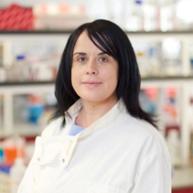
Prof Jacintha O'Sullivan
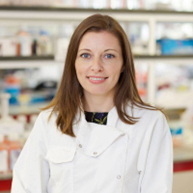
Professor Joanne Lysaght
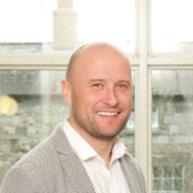
Dr Stephen Maher
Clinical Leads
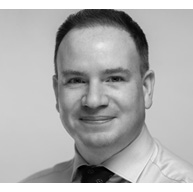
Dr Michael Kelly
Chair of Surgery and Head of Department
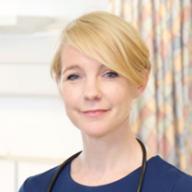
Professor Maeve Lowery
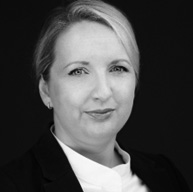
Dr Jessie Elliott
Funders and Charity Partners
We are grateful to the below funders and charity partners who have supported our research programmes.



Industry Partners
We work with the below companies to encourage good collaborative research.



Please find attached here the Privacy Notice and Withdrawal Policy for our biobanks.