
The project addresses a central problem in drug development. Analyses led by the Tufts Center for the Study of Drug Development have shown that bringing a new therapy to patients takes more than a decade and very large investment, yet most drug candidates still fail in clinical trials. A key reason is that many laboratory models do not reflect how real human cells and tissues respond to treatment, which creates uncertainty and leads to late stage failure.
StaRes aims to bridge molecular resolution with intact human cell and tissue analysis. The platform is designed to combine high sensitivity with practical usability, so laboratories can generate reliable datasets in human relevant systems without the cost and complexity of existing approaches. It will support studies of small molecules, biologics, gene and RNA therapies, and diagnostics, from single molecules in human cells to complex 3D human tissues.
A multidisciplinary team of biochemists, biophysicists, and engineers is delivering the project, with the goal of connecting laboratory discovery in human biology with translational research and patient focused treatment development.
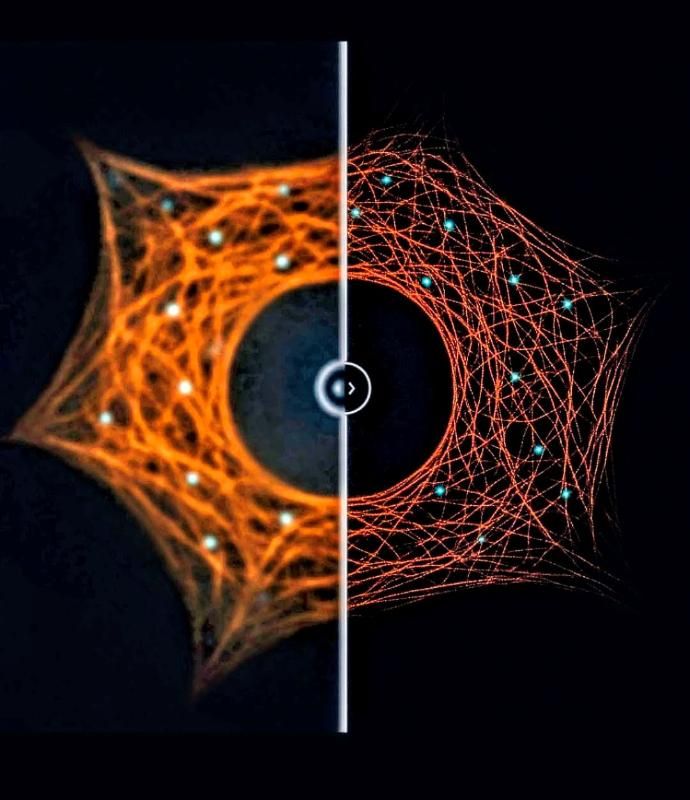
Fluorescence microscopy with enhanced resolution