

CLU22447 Latin Comedy: Life on Stage in Roman Comedy
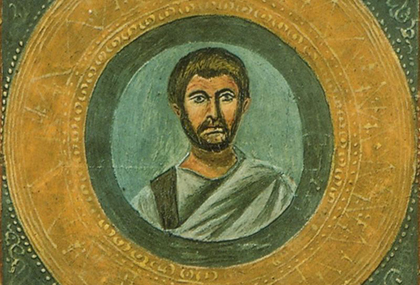
This module is about creative imitation and comic imagination. You will study a play in the original Latin and read widely in translation from the surviving complete plays of Plautus and Terence, who adapted Greek New Comedy for a Roman audience. These texts are the only examples of early Latin poetry surviving in complete form and have greatly influenced the development of European comic theatre. Through a close reading of one play, we examine the typical themes and techniques of the genre, explore the contexts of production and reception of the plays, and discuss aspects of Early Latin language. Incorporating questions of language, performance, and reception, we will explore how these texts appear to give voice and agency to Rome’s disenfranchised – the unfree communities of ‘slave theatre’ – while critiquing the behaviour and values of its rich and powerful.
This module is intended for post-beginner and intermediate students of Latin.
- Module Organiser:
- Professor Anna Chahoud and Dr Charlie Kerrigan
- Duration:
- Semester 1
- Contact Hours:
- 33 (two lectures/seminars and one language lab per week)
- Weighting:
- 10 ECTS
- Assessment:
- 50% coursework (oral and written assignments), 50 written examination
- Course Open To:
- Classics, Ancient History and Archaeology; TJH Latin; Columbia Dual Degree; Visiting; Open Module
Learning Outcomes
Upon the successful completion of this module students should be able to:
- Translate the prescribed texts both literally and idiomatically.
- Analyse the language, style, and contexts of Latin comedy.
- Translate and analyse the language of Latin passages of similar difficulty.
- Elaborate on Plautus and/or Terence’s verbal and dramatic techniques.
- Evaluate modern theories on the form and function of Plautine and/or Terentian drama.
- Discuss the connections between anger, humour, and power in both ancient and modern contexts.
- Examine the politics and possibilities of performance in ancient and modern contexts.
- Formulate well-researched views in written assignments.
- Demonstrate an ability to reflect independently and creatively.