

Trinity Centre for Mediterranean and Near Eastern Studies (MNES)
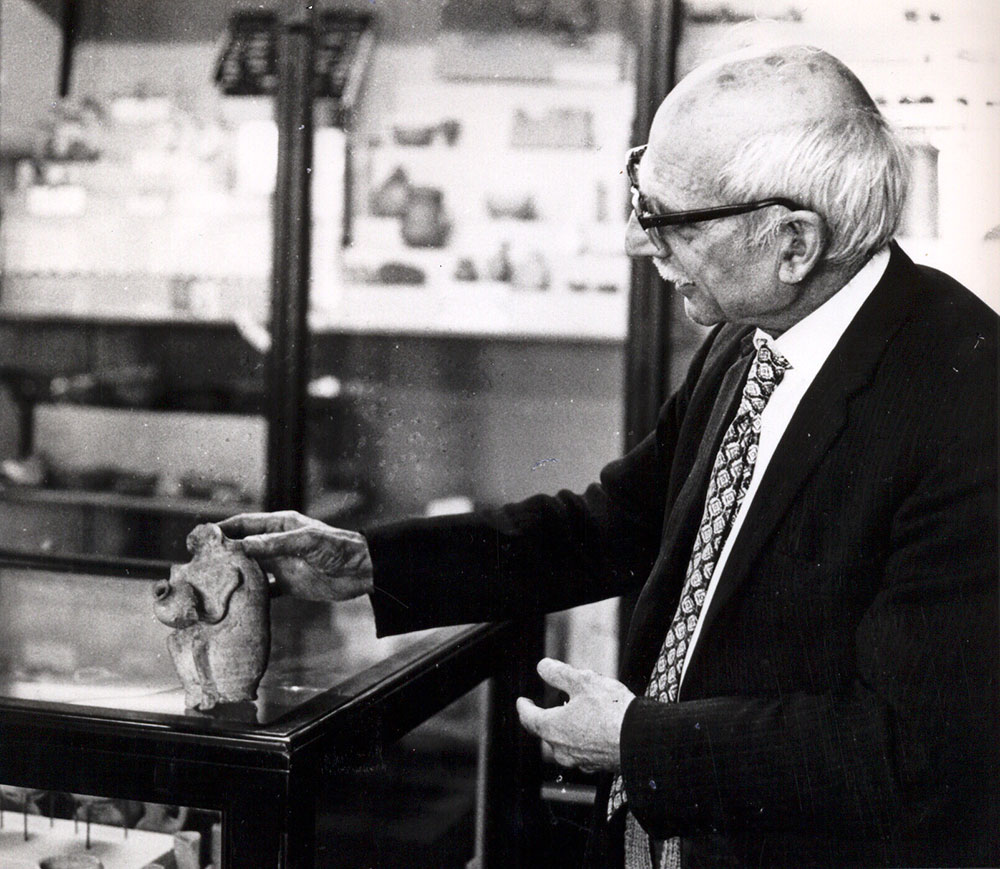
MNES is currently a collaboration of the Department of Classics (in the School of Histories and Humanities) and the Department of Near and Middle Eastern Studies (in the School of Languages, Literatures and Cultures). In its present form, it is focused on a project around the Weingreen Museum of Biblical Antiquities, which is the only substantial university collection of Middle Eastern material in Ireland.
Current Project
‘Making the Past Visible: Stories from the Weingreen Museum Collections’.
A museum is not just a place with artefacts, but a place for ideas and stories. Every museum, large or small, has a distinctive story to tell through its origin story and collections. This new collaborative, interdisciplinary project co-led by Dr Zuleika Rodgers (Curator) and Prof. Christine Morris (co-PI) aims to tell those stories for the Weingreen Museum of Biblical Antiquities. The project focusses on object 'biography' where we consciously engage with an object's ‘whole life’ from making and materials, use, deposition and burial, recovery, and its subsequent ‘lives’ through purchase, gifting, placement in a museum including the issues around the colonialist removal of objects from their ‘homes’. The project also explores the use of objects to tell multiple and different ‘untold’ and ‘hidden’ stories as well as thinking about what feelings such objects and their journeys inspire in us today. The larger aims of the project are to develop the collections to their full potential for teaching, research and public engagement through the development of new exhibitions and an updated digital presence.
Recent Events
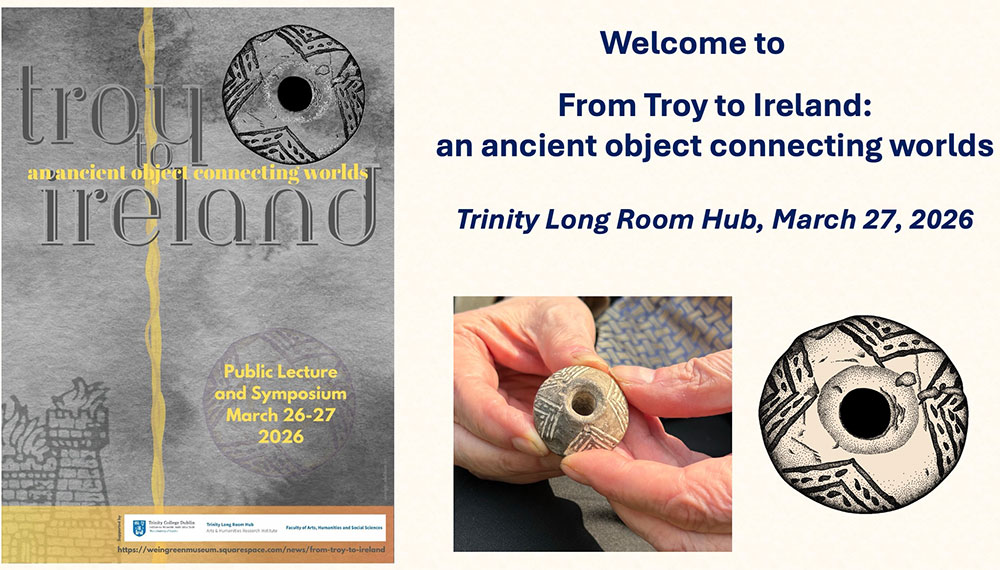
Longer Term Background:
MNES began life as a collaborative venture of research and teaching between the Department of Classics and the (then) Department of Religions and Theology with a broad remit to explore cultural dialogue and interchange – in antiquity and beyond – between East and West within the regions of the Mediterranean and the Near East. In that form it received funding from the Government of Ireland National Development Plan, through which it supported a broad range of academic and outreach activities, from seminars and workshops to public lectures, and publications. It also supported postgraduate and postdoctoral research projects.