
The View from Trinity on COP31: "Maybe consensus is not the best way to do this"
Posted on: 23 November 2026
Prof. Yvonne Buckley, ecologist and Co-Director of the Co-Centre for Climate + Biodiversity +Water at Trinity College Dublin, attended the UN COP31 talks in Turkey that failed to yield any major new deal to tackle climate change.
"Maybe consensus is not the best way to do this."
This is the conclusion of Prof. Yvonne Buckley, ecologist and Co-Director of the Co-Centre for Climate + Biodiversity +Water at Trinity College Dublin, who attended the UN COP31 talks in Turkey that failed to yield any major new deal to tackle climate change after deep divisions over fossil fuels and money emerged.
“The failure to mention transitioning away from fossil fuels was what went wrong. And 130 countries said that's not good enough, and that they weren't willing to put up with that level of greenwashing anymore.”
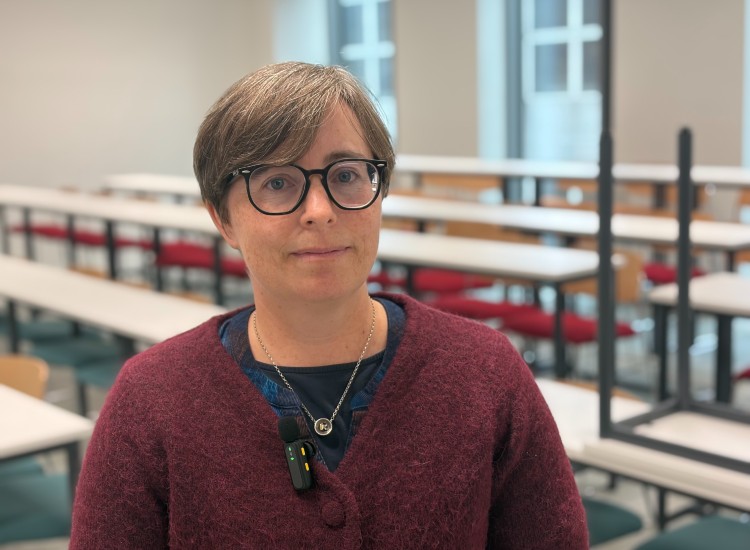
“I think I would come up with some kind of mechanism that enables the COP to progress and make decisions without being held hostage by a very small number of countries,” she told The View from Trinity.
Buckley noted that, at COP31, “a small number of petro-states have basically managed to derail the process, and they prevented the words "fossil fuel transition" being included in any COP decision.
“And that's what needs to change. The bulk of countries, the bulk of people in the world recognise climate change is an issue.
“They recognise that it's caused by humans, by burning fossil fuels and that going into the atmosphere, and the time to move is now. And maybe consensus is not the best way to do this, and we have to go with a very strong majority of countries who believe that taking action is essential.”
So what can we do?
Stick to our existing plan, Prof. Buckley recommends. “I think we need to continue on with our civil action, academic action. And national governments can take actions already, so this decision, or lack of decision, at COP should not prevent us from doing what we can within our own countries and within our own communities to tackle climate change. And we know what those solutions are. So we just carry on. We stay the course and we continue with our ambitious national objectives.”
Buckley also says we need to integrate nature much more strongly with the climate agenda.
“That came through quite strongly at COP31. Indeed, Panama wrote an open letter to the COP Presidency, setting out their red-line issue, which was the lack of attention to the words "fossil fuel" and "transitioning away from fossil fuel" in the draft decision. But they also outlined the importance of considering nature. They said that the planet is dying and nature is the first adaptation infrastructure. And I agree with that.
“We should be investing in our natural critical infrastructure, our oceans and our land ecosystems, to help protect us from the worst effects of climate change. So instead of investing in untested, unscalable and eye-wateringly expensive mechanical carbon capture and storage, we should be using the natural ecosystems that have been doing this for millions and millions of years – and that we need to protect and restore so they can continue to protect us from climate change.”
Buckley noted that, at COP31, “a small number of petro-states have basically managed to derail the process, and they prevented the words "fossil fuel transition" being included in any COP decision.
“And that's what needs to change. The bulk of countries, the bulk of people in the world recognise climate change is an issue.
They recognise that it's caused by humans, by burning fossil fuels .... and the time to move is now. And maybe consensus is not the best way to do this, and we have to go with a very strong majority of countries who believe that taking action is essential.”
ENDS