
Trinity welcomes hundreds to international conference focused on improving access to dental care for disabled people
Posted on: 20 August 2026
This week saw the launch of a World Health Organization policy brief that outlined the dire waits, and general lack of access to preventive treatment, that people from this cohort experience in Ireland. The launch kickstarted the International Association for Disability & Oral Health conference.
Trinity will this week welcome 700 delegates and global leaders in oral health and disability from 52 countries, spanning five continents, to the International Association for Disability & Oral Health conference (iADH 2026), where they will convene to discuss policy and practice, and present the latest research and innovations in education in this space.
The overall aim, shared by all stakeholders and research professionals in attendance, is to improve access to and delivery of dental treatment for people with disabilities.
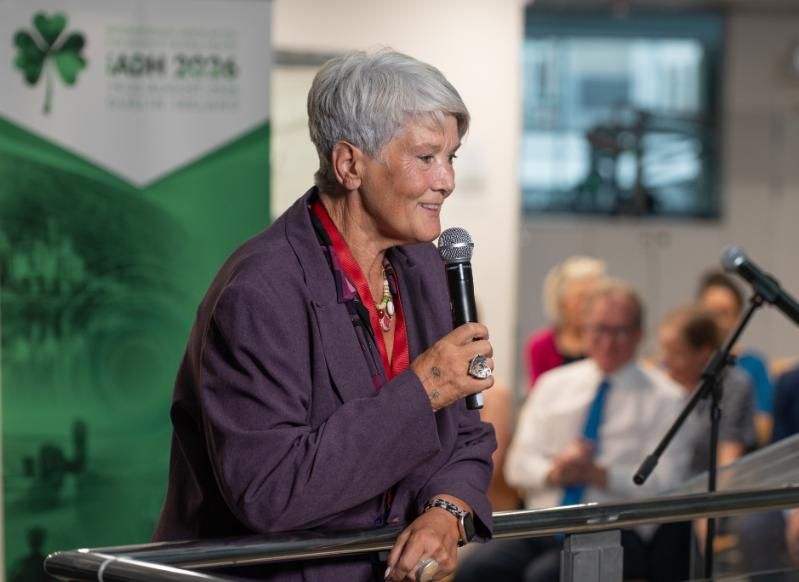
Experts from Trinity sit at the forefront of this important mission, with Prof. Alison Dougall (pictured above), Dean of Dental Affairs at Dublin Dental University Hospital and Head of the School of Dental Science at Trinity, chief among them as Chair of the local scientific committee.
Other leading researchers from Trinity’s Faculty of Health Sciences are also closely involved, such as those from the Schools of Nursing and Midwifery, Physiotherapy, and from the IDS Tilda team.
“Everyone here over the next few days is passionate about addressing the unacceptable problems faced by people with disabilities that prevent them from accessing routine oral health services. We are proud of Trinity’s contribution to this issue, and equally proud to host the conference,” said Prof. Dougall, who will receive a lifetime award from iADH for her extensive contributions later in the week.
“Dental issues represent the most common non-communicable disease in the world and they are expensive to put right once things go wrong. The frustrating part is that the science around prevention has moved beyond all recognition in recent years, like other areas in medicine, but the access and support for people with disabilities remains in the dark ages.”
The conference and the focus it puts in lights is extremely timely, as people with disabilities in Ireland are being forced to wait so long for basic dental care that preventable problems are becoming painful emergencies, sometimes requiring treatment under sedation or general anaesthetic.
That was one of the shocking headline findings in a new World Health Organization (WHO) policy brief, which was launched earlier this week in Trinity to kickstart the conference.
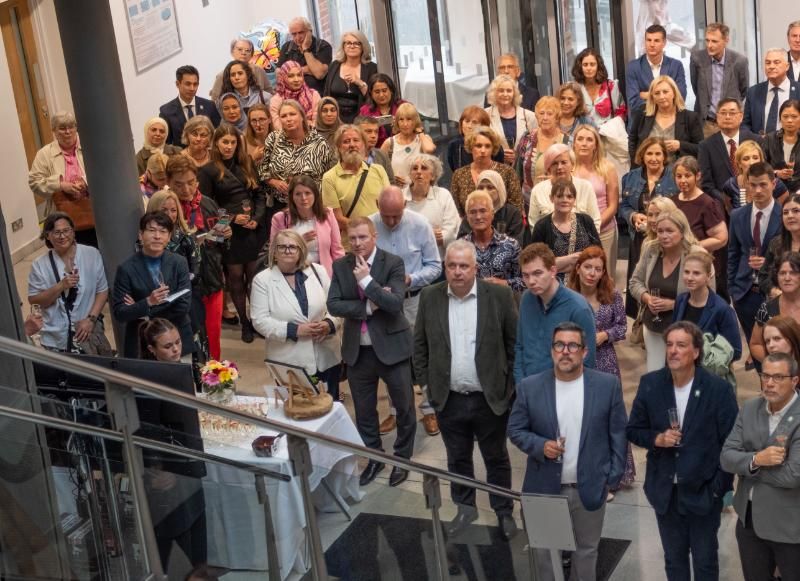
The brief was launched before representatives from the Oireachtas Committee for Health, Department of Health, HSE, patient and disability organisations, and clinicians and academics from 55 countries. Researchers from Trinity with extensive expertise in this area were among over 150 people in attendance.
“The poor oral health we see in people with disabilities is unjust, unfair and largely unnecessary,” said Prof. Dougall.
“Many could be treated in general dental practice, but because they cannot access basic treatment or preventive care, their condition often deteriorates until they require emergency treatment, sometimes under general anaesthetic.”
Around 800,000 people in Ireland live with a disability or activity restriction likely to affect their oral health.
“Ireland’s six-year-old oral health policy promised so much for people with disabilities, but it has still not been operationalised,” added Prof. Dougall. “So this is a watershed moment. The HSE, Department of Health, educators and other stakeholders must work together to deliver real and sustainable change.
“People with an intellectual disability are twice as likely as other members of the public to lose all their teeth by the age of forty, and very rarely have dentures to allow them to eat or maintain their appearance and dignity.
“Oral disease is largely preventable, yet many people with disabilities cannot find dentists trained and equipped to meet their needs. Some require adapted surgeries, sensory-friendly environments, sedation or general anaesthetic. Waiting times can run into years.
“The result is pain, infection and teeth being extracted when they might otherwise have been saved. That is simply unacceptable.”
The WHO brief highlights the high burden of oral disease among people with disabilities and the barriers they face in accessing appropriate and affordable care. It warns that Universal Health Coverage by 2030 cannot be achieved without addressing the needs of the estimated 1.3 billion people worldwide living with disabilities.
Media Contact:
Thomas Deane | Media Relations | deaneth@tcd.ie | +353 1 896 4685