The EU Kids Act could actually work, says Trinity expert
Posted on: 17 September 2026
"We need a whole systems, integrated approach and that involves absolutely the big tech companies but it involves the children, parents, and caregivers and teachers as well."
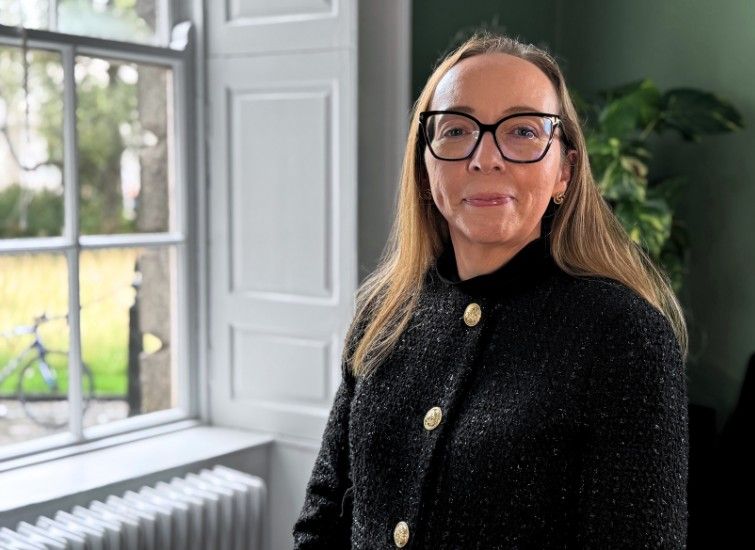
Plans outlined today to restrict children’s social media usage across the European Union fall short of an outright ban for all teenagers, but have a greater chance of success because of that, according to Dr Louise Heeran Flynn, Assistant Professor in Teacher Education at Trinity College Dublin.
Earlier this year, Dr Heeran Flynn was appointed to a high-level European Commission panel advising EU President Ursula von der Leyen on child safety online and potential age limits for social media. This has led to the proposed legislation called the EU Kids Act. Leaked information in advance of the briefing suggested they would include a "block" or "delay" on children and teenagers’ access to social media platforms, rather than an outright ban.
The proposal was outlined by Ursula von der Leyen at a Brussels briefing on Thursday.
In an interview with Trinity Communications Dr Louise Heeran Flynn said: “We believe it will be the most significant piece of child online safety [legislation] that has ever been introduced at EU level.”
Dr Heeran Flynn said from what we know so far there were three significant areas of change: the introduction of an age-based access to online services (from age 13-15 children will be allowed ‘mini accounts'), second the curbing of dangerous addictive design elements and lastly a shift in the burden of proof away from regulators, so that technology companies will have to prove that they are safe.
Asked about the fact that a peer-reviewed study of the Australian ban on social media for teens, introduced in December 2025, found that the move appeared to have had minimal impact, she said the evidence was early but that the EU Kids Act takes “a much more considered and nuanced approach to the protection of child safety online ... that is heavily focusing on platform regulation, on safety by design and is also considering the whole system of the provision of safety for children.”
“Cultural and social change takes time,” she added. “Keeping children safe online is not just about removing the harm, it’s about providing the conditions in which the children can flourish, so we need a whole systems integrated approach and that involves absolutely the big tech companies but it involves the children, parents, and caregivers and teachers as well.”
ENDS