
Disordered Eating in Trinity
According to BodyWhys, we all engage in disordered eating but when a person feels compelled to – e.g. restricting, bingeing, purging, over-exercising, or they will feel out of control, panicky, anxious, they fear not doing it – this is in the realm of an eating disorder, rather than just normal disordered eating. A person may have an eating disorder when their anxiety levels bring about the compulsion to eat in a certain way, where they are driven by a fear of gaining weight or feel out of control if they don’t do ‘it’.
Student Counselling and Disordered Eating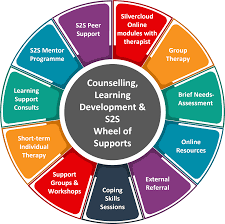
Disordered eating can often be related to feelings of not being good enough (see student blog below). If you are struggling with disordered eating, consider chatting to someone on the Student Counselling Service team to see how we can help. We offer a range of services, from brief one-to-one therapy, groups specifically focused on eating concerns, online programmes like “Space for Positive Body Image,” and onward referral to more specialised supports when needed.
Click here to book a needs-assessment consult online or to find out more about how to chat with an SCS team member.
College Health and Disordered Eating
- Approx 10% of the population will have an eating
 disorder within their lifetime , this includes people with anorexia nervosa, binge eating, bulimia etc.
 - Anorexia has the highest mortality rate of any psychiatric disorder
These statistics broadly pertain to 'eating disorder' as a clinical entity/illness rather than a descriptor of non threshold symptoms. College Health offers, a range of resources to treat people who have an eating disorder. They include GPs, mental health nurse, practice nurse, and the College psychiatrist if GPs deems that appropriate.
Student Blog on Disordered Eating
By a recently graduated Trinity student
I sta rted to engage in disordered eating when I was around 13. I'm only aware of my bad habits now that I'm out the other side. Aware of every calorie I ate, constantly looking for the key to unlock “skinny.” Really, I associated skinny with the feeling of being good enough.
I had habits that weren't "bad enough”, but all of my thoughts and efforts were put into. I drank endless green tea and black coffee, neither of which I have ever enjoyed. I confused calories with health. It all seemed superficially fine, and as a once off my habits were not bad, but, like any addiction, it takes over your life and rids it of joy and opportunity.
Read more here.
Big Picture and Disordered Eating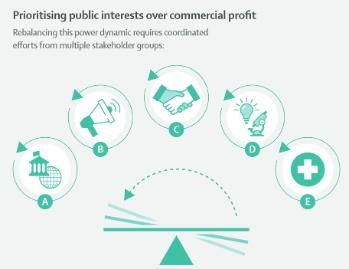
The prevalence of eating disorders is increasing amongst young people in Ireland and globally. In July 2023, the Health Research Board (HRB) reported that the number of child and adolescent admissions for eating disorders more than doubled in the last 5 years, from 33 in 2018 to 80 in 2022.
The causes of eating disorders range from biological, to psychological, environmental and social factors. An emerging field of research, the Commercial Determinants of Health (CDOH), is examining the effect of commercial actors on health. This umbrella review focused on commercial determinants of mental ill health and found associations between:
- depression and alcohol, tobacco, gambling, social media, ultra-processed foods and air pollution;
- suicide and alcohol, tobacco, gambling, social media, climate change and air pollution;
- anxiety and climate change and air pollution;
- self-harm and social media.
It calls for further research into the effects of certain commercial actors on mental ill health, which includes eating disorders. If you're interested in doing a project, some research or some activism with the Healthy Trinity on CDOH and mental ill health including disordered eating, please email health.promotion@tcd.ie