

HAU44035/36 Difficult Heritage: Architecture After Dictatorship
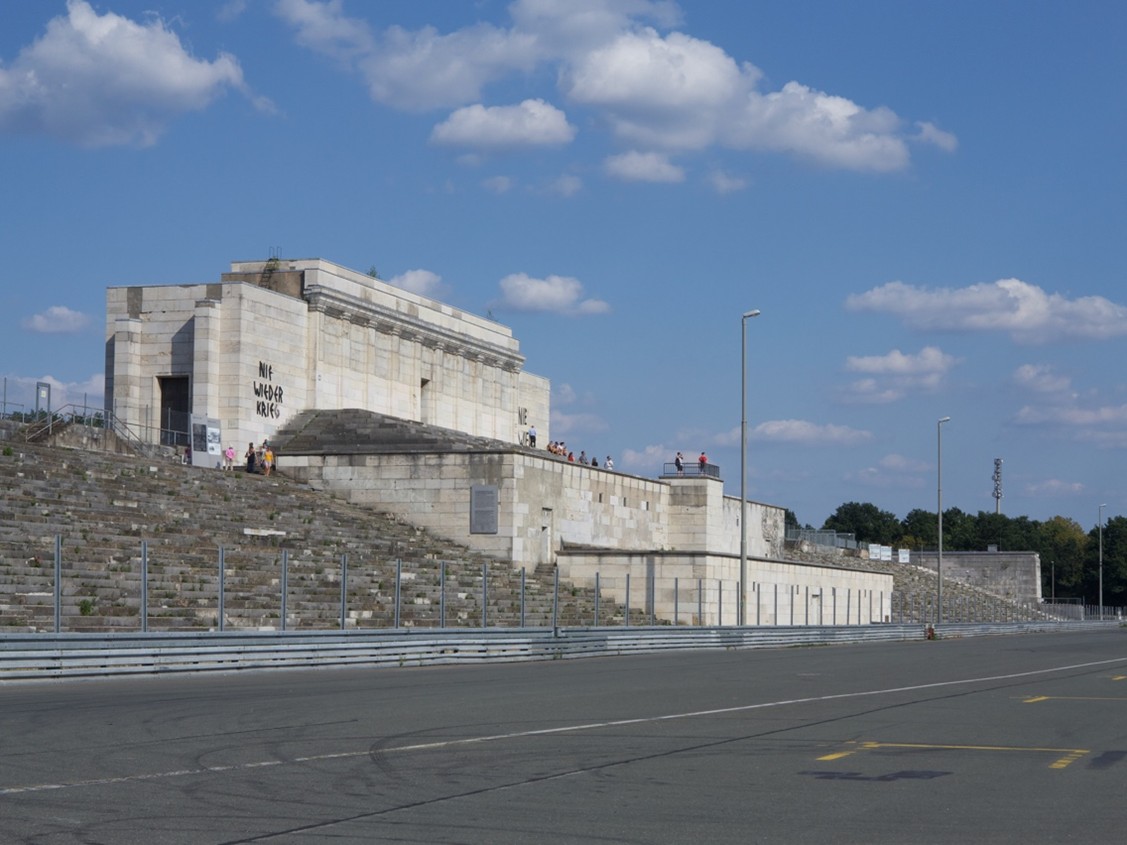
Political regimes change, but the architecture they build remains as a lasting legacy of their power. This module looks at what nations do with buildings and monuments that are left over from past dictatorships. Specifically, it explores how communities in twentieth-century Europe dealt with the physical remains of totalitarian governments. This investigation will bring us to Germany, Italy, Spain, Russia, and other countries in Eastern Europe and the Balkans. We will cover the architecture of Fascist, Nazi and communist regimes. Above all, we will consider the question of whether the architecture of authoritarian governments should be preserved, adapted, or erased, while drawing on theory rooted in history, architecture, and memory.
- Module Organisers:
- Dr Hannah Malone
- Duration:
- Semesters 1 and 2
- Contact Hours:
- 2-hour seminar per week
- Weighting:
- 20 (10 + 10) ECTS
- Asessment:
- Continuous assessment (50%) and examinations (50%)
Learning Outcomes:
Upon the successful completion of this module students should be able to:
- understand how the architecture of defunct political regimes becomes a difficult heritage
- explain the various theories that are used to study difficult heritage
- analyse architecture that is defined as difficult heritage in terms of its cultural, social, and political meanings
- compare the treatment of difficult heritage in different nations and contexts
- construct an argument around the treatment of difficult heritage or why it might be appropriate to destroy, alter or preserve it