

HAU44015/16 Architecture Beyond the Canon 1 + 2
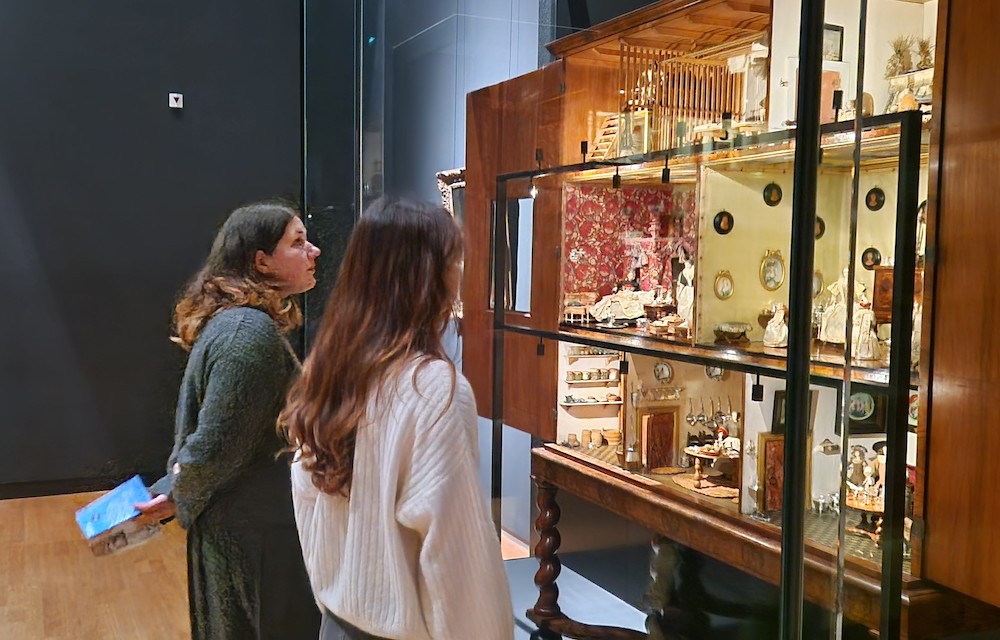
This seminar focuses on architectural manifestations that have remained outside of canonical accounts. These include underrepresented geographies, lesser-known architects, other actors involved in the production of architecture, residential architecture, interior decoration, ephemeral structures, and architectural publications.
In 2026/27 the module will focus on early modern architecture in the Dutch Republic.
It will explore how classicism was adapted to the context of a newly formed republic, the emergence of new building types for a mercantile economy, how architectural production was structured and regulated in this new context, and the role of domestic architecture in representing social values. This module is part of the project “A Portal to the Fagel Collection” and students will participate in the creation of interactive content for an exhibition in The Hague in autumn 2027. As part of the work in the module, students will test research ideas through physical/digital architectural models.
In 2026/27 the module will focus on early modern architecture in the Dutch Republic.
It will explore how classicism was adapted to the context of a newly formed republic, the emergence of new building types for a mercantile economy, how architectural production was structured and regulated in this new context, and the role of domestic architecture in representing social values. This module is part of the project “A Portal to the Fagel Collection” and students will participate in the creation of interactive content for an exhibition in The Hague in autumn 2027. As part of the work in the module, students will test research ideas through physical/digital architectural models.
- Module Organisers:
- Dr Maria Elisa Navarro Morales
- Duration:
- Semesters 1 and 2
- Contact Hours:
- 1 x 2 hour seminar per week
- Weighting:
- 20 (10 + 10) ECTS
- Asessment:
- Continuous assessment (50%) and examinations (50%)
Learning Outcomes:
Upon the successful completion of this module students should be able to:
- Describe the main aspects of early modern Dutch architecture.
- Understand how architectural ideas travelled in the early modern period.
- Explain the role of architectural publications in the production of architecture in the early modern period.
- Use early printed books as primary sources for architectural history.
- Engage critically with secondary sources on architectural history.
- Communicate ideas formed from the study of both primary and secondary sources.
- Learn and reflect how to model and analyse architecture in two and three dimensions.
- Design and produce interactive content for an exhibition.