

Housing Dublin
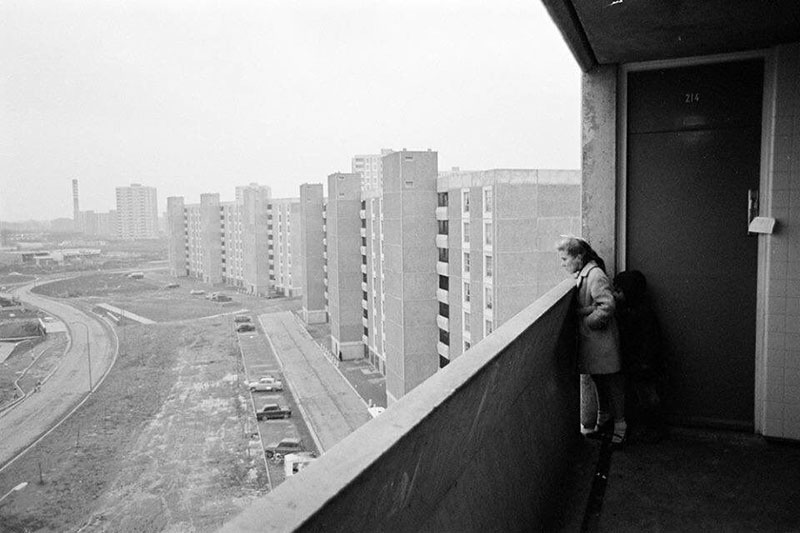
This module examines the architecture of mass housing in Dublin from 1900 until today. The goal is to explore how a city reflects the society and politics of its inhabitants. To this end, mass housing serves a lens through which to look at the impact of social and political change upon the city of Dublin. For politicians, technocrats, and philanthropists in modern Dublin, the construction of mass housing was a practical response to a chronic shortage of houses but also an opportunity for social reform, moral improvement, and political propaganda. As such, the architecture of mass housing was bound up with the politics of the emergent Irish state, shifting ideas of nationhood, and fluctuations in the economy.
- Module Organiser:
- Dr Hannah Malone
- Contact Hours:
- Two hours per week
- Weighting:
- 10 ECTS
- Assessment:
- The module is assessed by a combination of oral presentations, practical exercises and written assignments.
Throughout the twentieth century, Dublin housing projects took different forms including small artisan cottages, vast large garden suburbs, and high-rise modernist blocks. The various types of housing reflected divergent notions of Irishness, modernity, class, and religious identity. Our research will take the form of class discussions, sites visits, and analyses of architectural drawings. We will draw parallels with other European countries, especially with Britain. We will also consider the lived experience of the inhabitants of mass housing through testimonies and oral histories.
Learning Odjectives:
- Recognise and articulate the various approaches to mass housing
- Situate mass housing projects within the political, economic, and social context of modern Dublin
- Understand how to read architectural drawings and urban plans relating to mass housing
- Critically analyse the literature on architecture and planning in modern Dublin from a socio-political perspective