

HA7060 Dublin’s Art World: Artists, Exhibitions, and Institutions
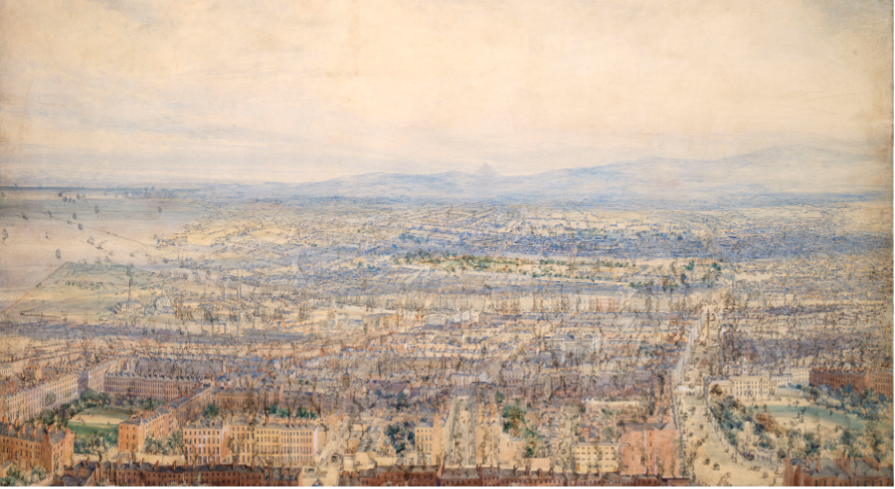
This module examines the development of the Dublin art world, its artists, exhibition cultures and institutions, from the late eighteenth century to the late twentieth century. The political, social and cultural life of the city offers an important lens for exploring how artists lived, worked and organized their professional lives. Throughout the history of art in Ireland, Dublin has served as a key centre for artistic life: its art schools, societies, and exhibition venues and cultural institutions have drawn practitioners, curators, and collectors to its streets and buildings. We will explore the establishment of key artistic and cultural institutions (such as the National Gallery of Ireland and the Royal Hibernian Academy); artistic education in Dublin; the artists and groups who sought to challenge these institutions, for example, the Irish Exhibition of Living Art and ROSC; and how these activities were shaped by changing political and social contexts both in Ireland and in the wider world. Throughout this module, we will make use of the rich collections available in TCD, and neighbouring institutions, such as the National Gallery of Ireland, National Library of Ireland, and NIVAL - National Irish Visual Arts Library.
- Module Organiser:
- Kathryn Milligan
- Contact Hours:
- 2 hours per week
- Weighting:
- 10 ECTS
- Assessment:
- The module is assessed by a combination of oral presentations, practical exercises and written assignments
Learning Outcomes:
On successful completion of this module, students should be able to:
- Understand the history and role of key artistic and cultural institutions in Dublin;
- Identify key figures and groups who sought to establish alternative exhibition venues;
- Situate the concerns of artists and other art world figures in a wider social, economic and political context;
- Critically assess the activities of the Dublin art world in relation to international art movements and markets.