Impact
The school's research achieves national and international impact through policy engagement, translation of research through teaching, engagement with practitioners and the public.
Policy Impact
Research in Teaching
Impact on Practice
Public Engagement
Policy Impact
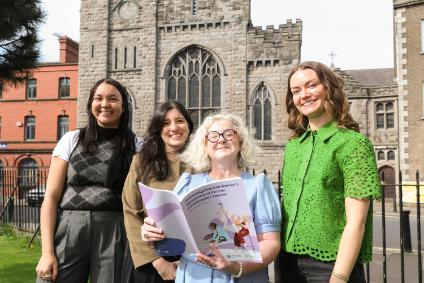
Researchers engage extensively with government departments, NGOs, and international organisations through:
- Conducting commissioned research, including work by Dr Leigh-Ann Sweeney, Dr Susan Flynn and Michaela Nudo on barriers to the government's Free Contraception Scheme.
- Providing input on regulatory frameworks, guidelines, government policy and legislation, such as Prof Nicola Carr's role in drafting European Guidelines for recruitment and professional development of prison and probation staff.
- Acting as expert advisors and facilitators, including Dr Erna O'Connor's role on the Board of Directors of the non-governmental organisation All Together Dignity which campaigns against poverty and supports families and individuals living in consistent poverty.
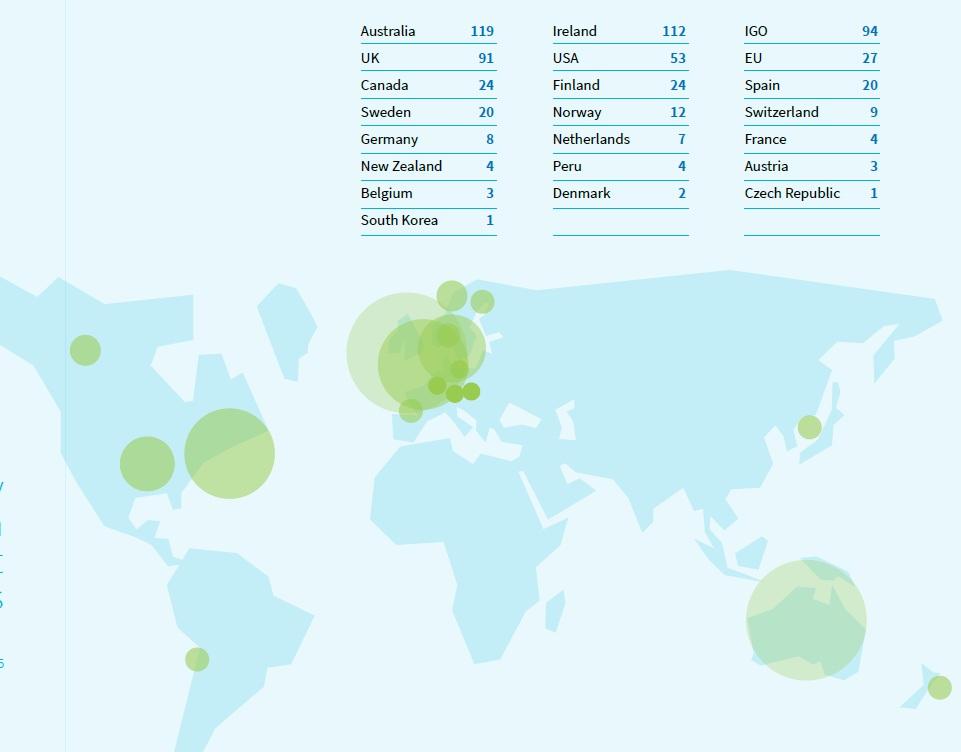
Between 2006-2025, research carried out by staff in our School was cited in 604 policy documents across 22 countries including in policy documents from governments, non-governmental organisations, international governmental organisations, think-tanks and legislative bodies.
Citations in Policy Documents from current School of Social Work and Social Policy Staff (2004-2025). Source: Overton
Research in Teaching
Research is deeply embedded in the School’s teaching culture with modules across undergraduate, postgraduate, and professional programmes directly informed by active research projects. Staff regularly integrate current research into teaching through case studies, collaborative inquiry, and student-led research. This includes:
-423X254.jpeg) Dr Michael Feely, Dr Edurne Garcia Iriarte and colleague's work delivering a module on disability for social work students co-designed, co-delivered and co-assessed by self-advocates with intellectual disabilities.
Dr Michael Feely, Dr Edurne Garcia Iriarte and colleague's work delivering a module on disability for social work students co-designed, co-delivered and co-assessed by self-advocates with intellectual disabilities. - Incorporating Dr Paula Mayocks' research on youth homelessness and Prof Virpi Timonen's work different models of bequeathing legacies across generations into social policy modules.
- The school publishes extensively on research methods, particularly qualitative research methods, which is incorporated into teaching across multiple courses.
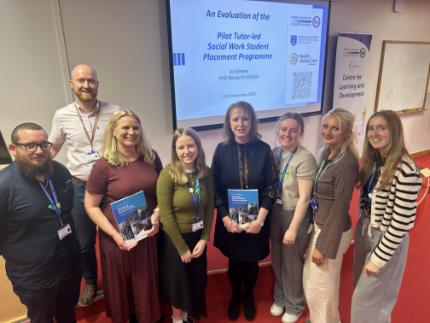
- Dr Erna O'Connor and Dr Sinead Whiting's work creating a hybrid placement model for social work students during Covid 19 when in person placement opportunities were restricted.
Impact on Practice
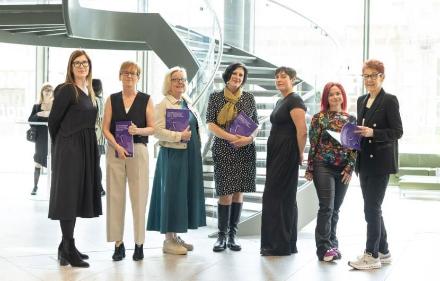
.jpeg) The school engages directly with social work and social policy practitioners including social workers, healthcare workers, probation service professionals and the voluntary sector.
The school engages directly with social work and social policy practitioners including social workers, healthcare workers, probation service professionals and the voluntary sector.
For instance, Assistant Professor in Social Work Sinead Tobin has a joint appointment appointment with the Statutory Body TUSLA, the Child and Family Agency. This is a unique example of such a partnership in Ireland. The joint appointment offers significant benefits by strengthening the connection between social work education, research, and frontline practice. Through the appointment Sinéad Tobin has presented her work on young people's experiences of foster care breakdown directly to practicing social workers.
 Public Engagement
School staff contribute to public debates and op-eds based on their research. Our research has generated national and international media coverage. Examples include:
- Dr Paula Mayock’s research on the intersections between housing precarity and homelessness and domestic, sexual and gender based violence.
- Dr Simone McCaughren’s research on the in camera rule in family law proceedings.
- Prof Stephanie Holt and colleagues’ research on victim-survivors’ of domestic abuse experiences of the family law system.
- Dr Catherine Conlon’s research on the provision of abortion services.
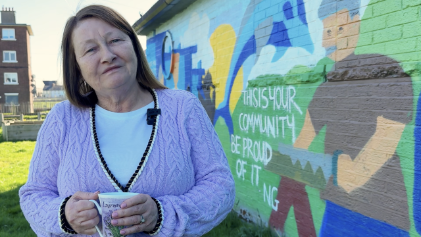 Participatory research means collaborating in the research process with people affected by a particular issue. Examples include:
- Dr Joe Whelan's project 'The flats are coming down! Yup the flats' project which uses film, photography, art and creative writing to explore how residents of Dolphin House experience regeneration and change in their area.
- Dr Catherine Elliot O'Dare's project Understanding Self-Directed Ageism in which the charity Age Action collaborated on the research process and outputs.