World Osteoporosis Day, 20 October 2026
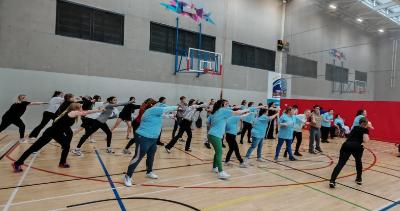
 Today is World Osteoporosis Day, a day to celebrate the bones that carry us through life and to remind ourselves that osteoporosis is, in most people, preventable. Osteoporosis is often described as the silent thief of bone because you can't feel it happening, and for many people the first sign is a broken bone. The good news is that early detection through bone health screening works, and so do the steps that follow ensure good nutrition, vitamin D, staying active and talk to your GP about screening. This year, we want to make sure that message reaches everyone, including people with intellectual disability, who face a higher risk and have far less access to screening.
A Hidden Risk
 Our work with the Intellectual Disability Supplement to The Irish Longitudinal Study on Ageing (IDS-TILDA) has examined bone health in older adults with intellectual disability in Ireland for over a decade. The findings are striking. People with intellectual disability can have a combination of risk factors, including less physical activity, limited mobility, poor nutrition, specific syndromes such as Down syndrome, and medications such as anticonvulsants, antipsychotics and proton pump inhibitors. As a result, bone loss can begin at a much younger age than in the general population. Osteoporosis can result in a fracture, and a fracture is not just a broken bone, it can mean pain, loss of independence and, sadly, earlier death.
Why People Miss Their DXA Scan
DXA is the gold standard for bone health screening, but it was not designed with everyone in mind. Anne Power, Advanced Nurse Practitioner in Chronic Health Conditions in Intellectual Disability at Wexford Residential Intellectual Disability Service, set out to understand why so many people with intellectual disability were not getting scanned. The answers were clear. Getting to a hospital scanner, lying still on a narrow table, and coping with an unfamiliar, busy environment can all be real barriers. Limited mobility, communication difficulties, behaviours that make the procedure hard, and anxiety or fear in hospital settings all play a part. For most people with intellectual disability in the service, DXA simply was not feasible, which meant many had no way of having their bones checked at all. That is not a reason to give up. It is a reason to find a better way.
A Scan That Comes to You
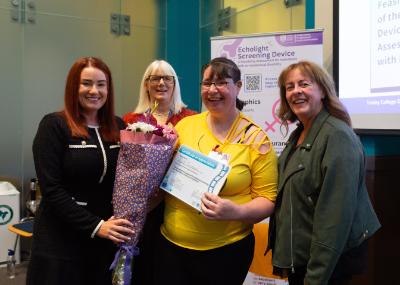
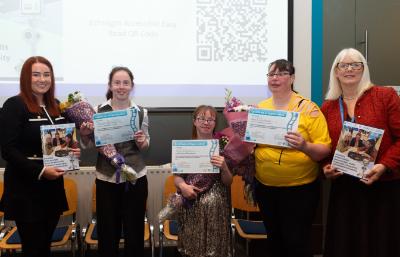
 We explored alternatives and found Radiofrequency Echographic Multi-Spectrometry (REMS) technology device that measures bone mineral density using ultrasound. Because it is portable, the scan can happen in a clinic, in a residential service, or in the comfort of a person's own home. In 2023, the HSE funded the first REMS device in Ireland, which Anne now uses for bone health screening in Wexford and beyond. Our feasibility study, funded by the Nursing and Midwifery Planning and Development Unit (NMPDU) South East, found a 96% satisfaction rate. People told us it was quick, easy and pain-free, that they liked not having to go to hospital, and that they were pleased to get their results on the same day. The main complaint was that the gel was cold. Most said they would tell a friend to have the scan, and a family member described it as a way for people who can't manage DXA to finally have their bones checked
Even better, REMS is now endorsed by the Irish Osteoporosis Society for the diagnosis of osteoporosis in people with intellectual disability.
Looking Ahead
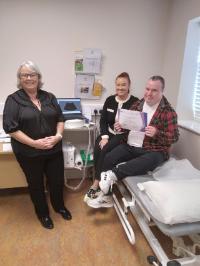
Professor Éilish Burke, Professor in Intellectual Disability Nursing and Co-Director, Trinity Centre for Ageing and Intellectual Disability, School of Nursing and Midwifery, Trinity College Dublin
Anne Power, Advanced Nurse Practitioner, Wexford Disabilities Services