
The National Intellectual Disability Memory Service
For information on referral please see contact Emma Donnelly: emma.donnelly@tuh.ie. No referrals should be sent to TCAID.
The National Intellectual Disability Memory Service is a centre of excellence in proactive dementia assessment and diagnosis for people with an intellectual disability (ID), particularly supporting people with Down syndrome given their increased genetic risk for dementia.
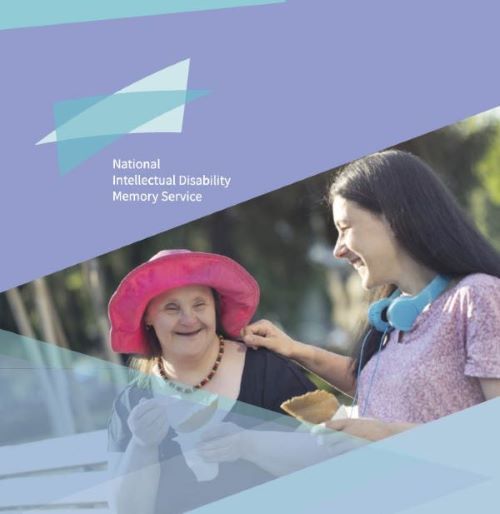
The National Intellectual Disability Memory Service is committed to improving the early detection of dementia in people with an intellectual disability and offering postdiagnostic supports.People with an intellectual disability, particularly people with Down syndrome, are at increased risk of developing dementia as they age. Diagnosis is complex, but having an accurate diagnosis is important so people can receive the type of postdiagnostic supports that are appropriate to them.The National Intellectual Disability Memory Service provides access to a Brain Health Clinic and to specialist assessment and comprehensive diagnostic work-up for memory concerns. Our multidisciplinary team on-site includes a Consultant Geriatrician, Consultant Psychiatrist, Advanced Nurse Practitioner and Clinical Nurse Specialist. While the service is free, a referral from your doctor, via Healthline, is required to access the service.
What does the service offer?
- Support to people who are worried about memory loss problems and clarification about memory symptoms
- Baseline screening for people with Down syndrome
- Diagnosis, including differential diagnosis
- Information on good brain health along with ways to improve and maintain it
- Post diagnostic support including information and training/education on living well with dementia
- Access to and enrolment in research studies
While the service is free, a referral from your doctor is required to access the service.
A Visit to the Service
As part of a Comprehensive Assessment, the person may be offered some of the following:
- An initial telephone consultation and collateral history and general health profile
- The neuro-psychological assessment, which may involve a very brief investigation of memory, cognition and day-to-day functioning or, alternatively, may be quite in depth, depending on the level of intellectual disability
- Assessment of heart function (ECG)
- Assessment of general health function, including blood testing
- Assessment of brain function (CT Scan, MRI)
- Any information collected feeds into the process of providing an accurate diagnosis of dementia.
