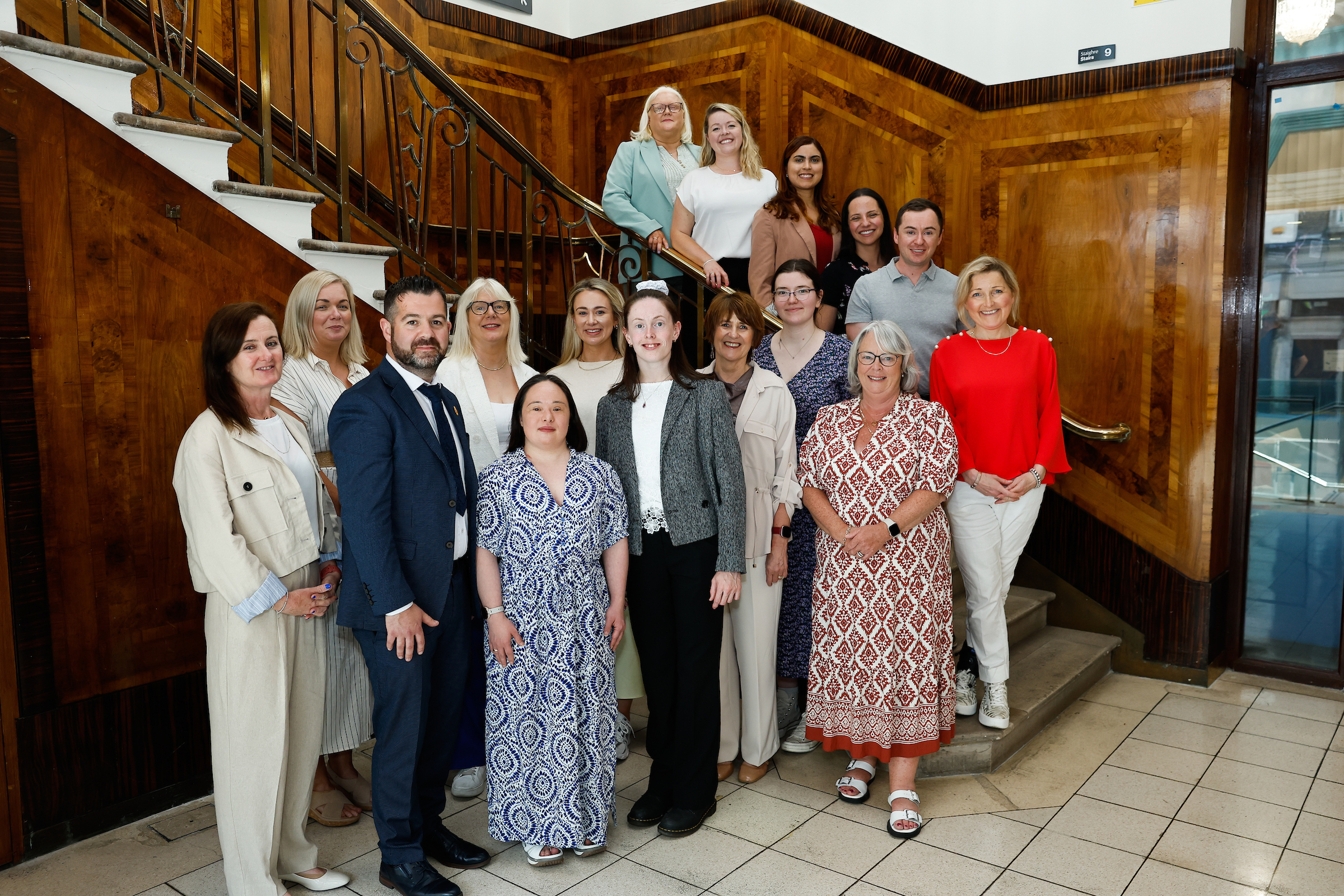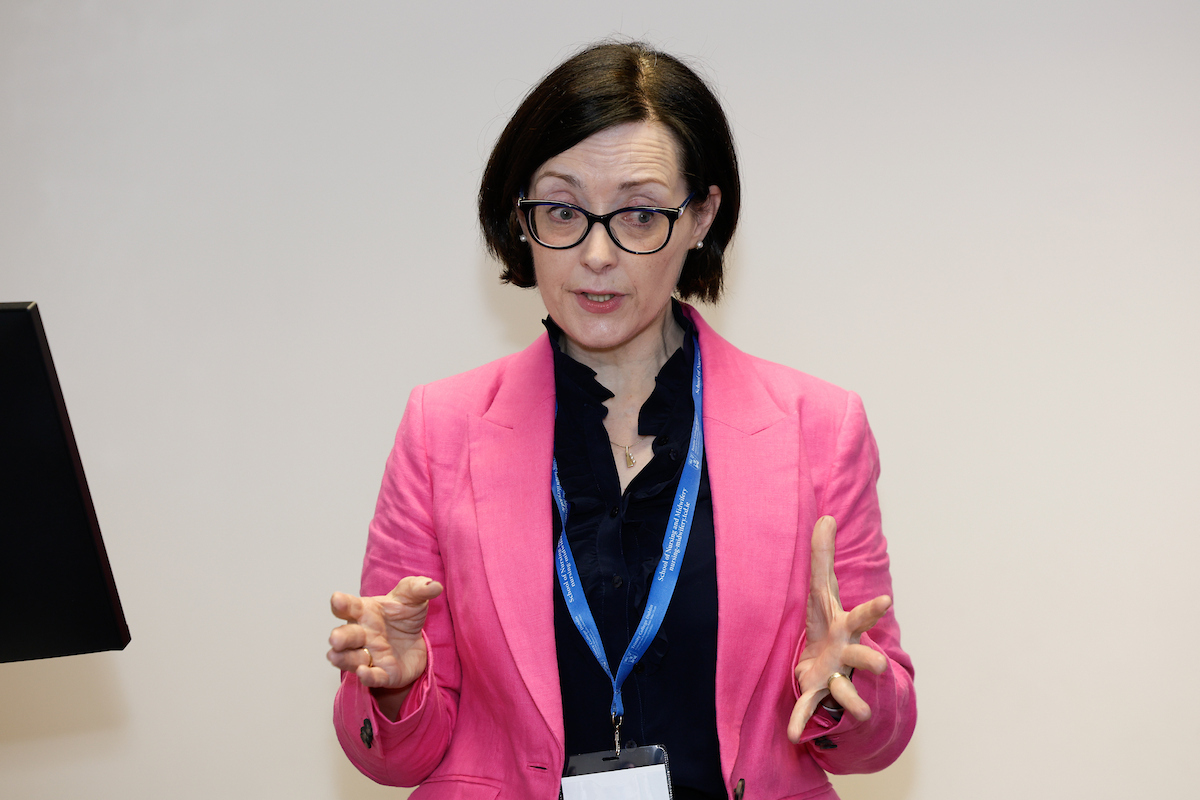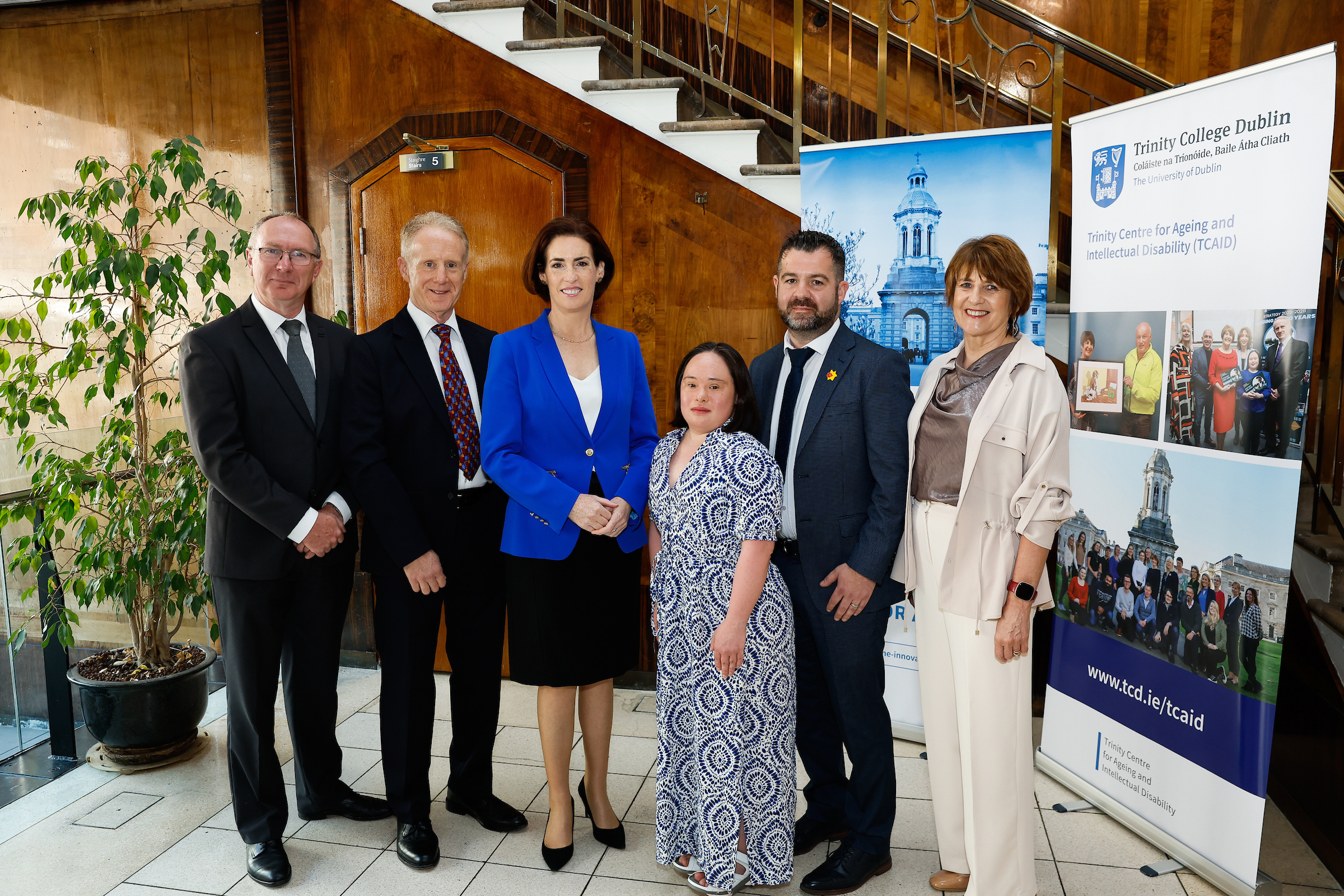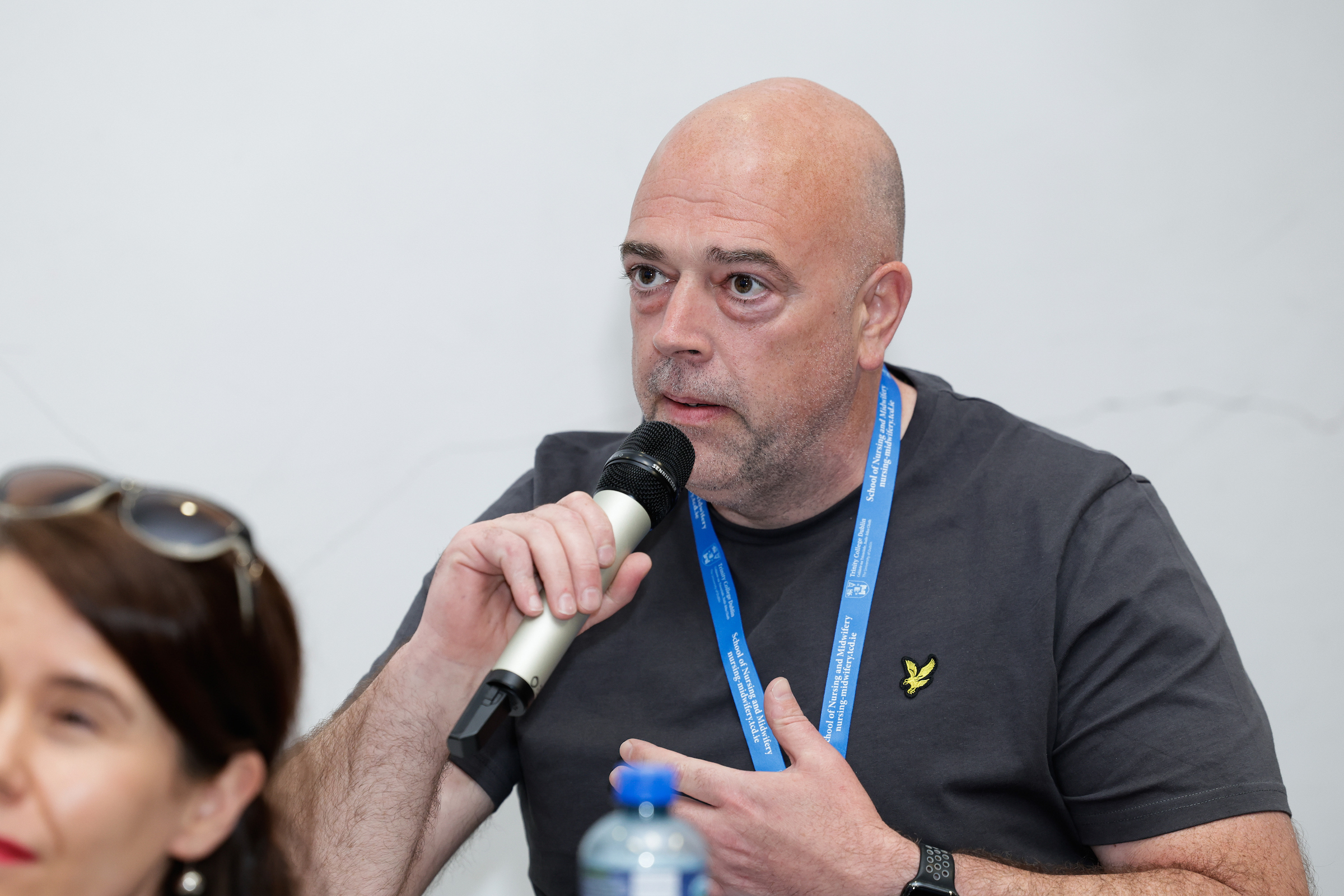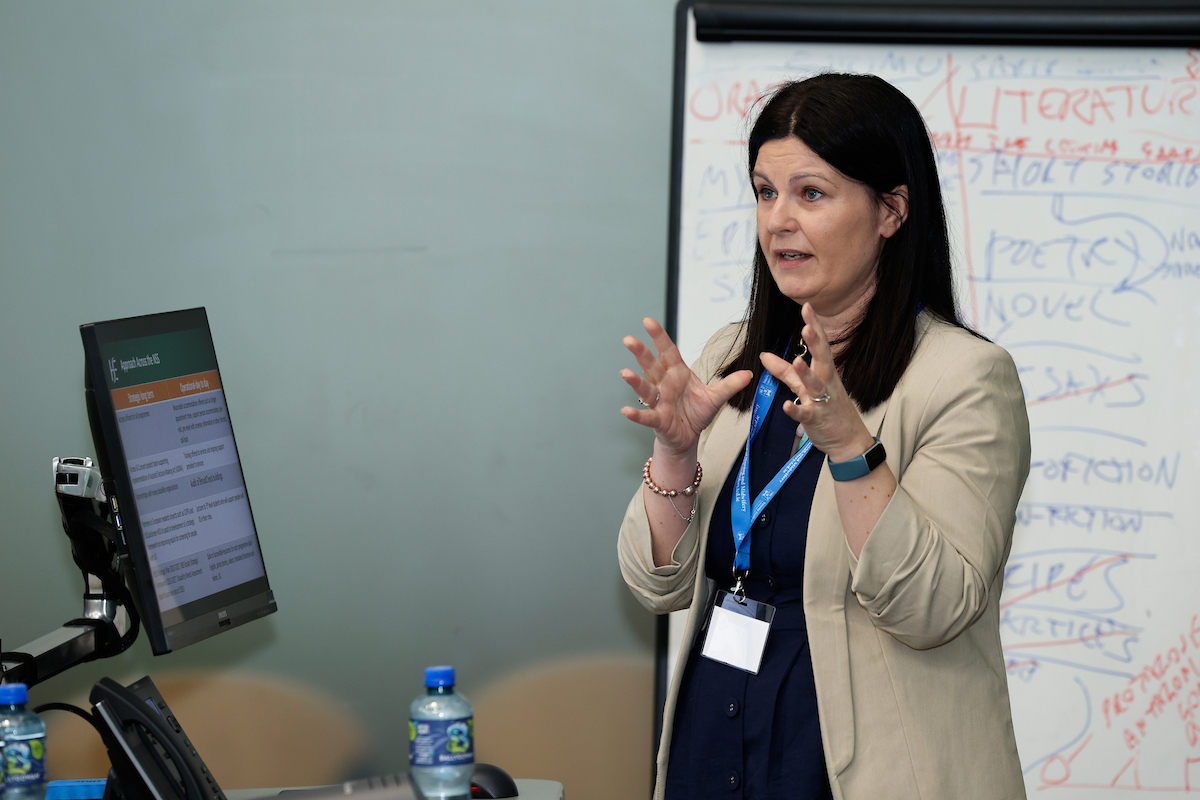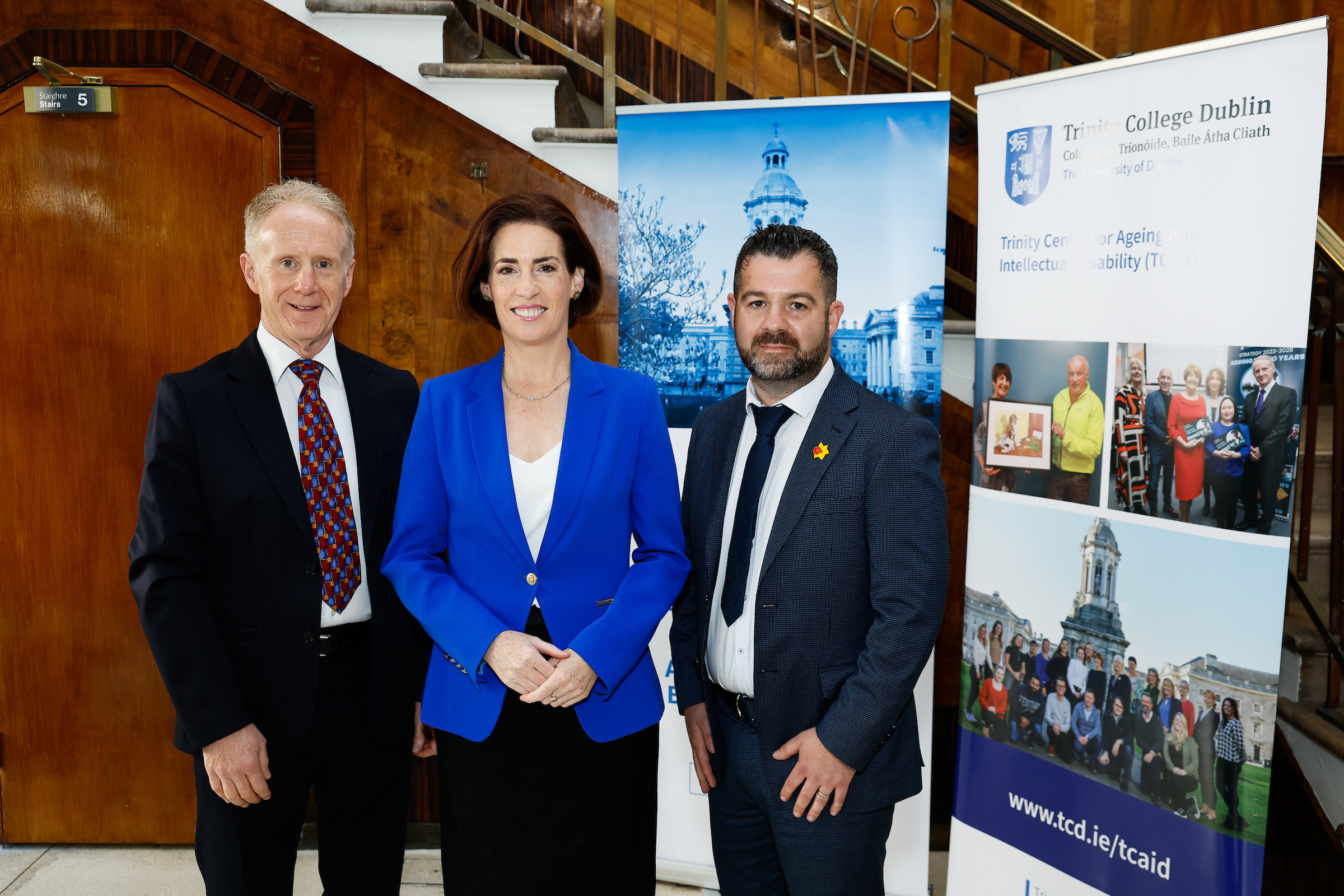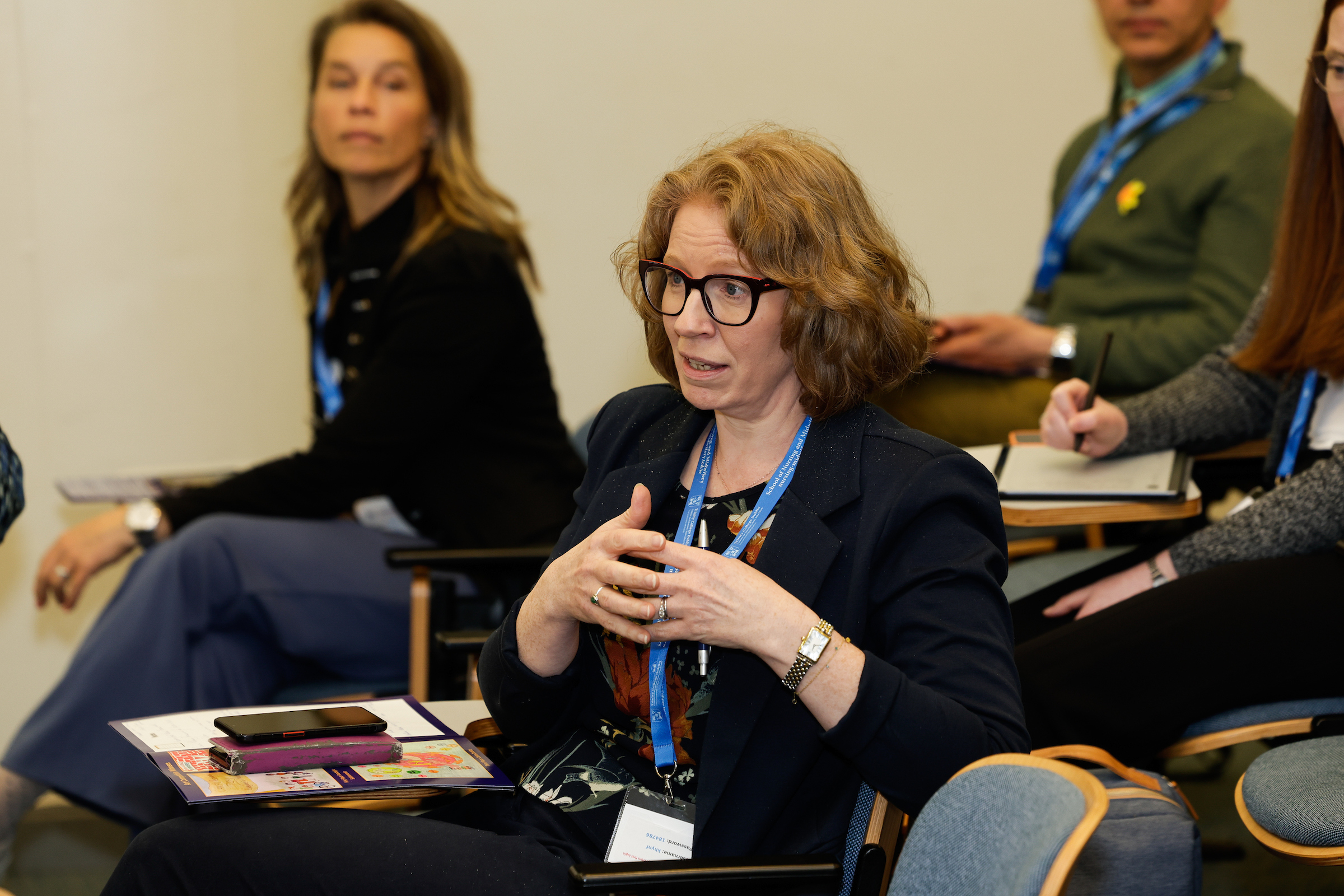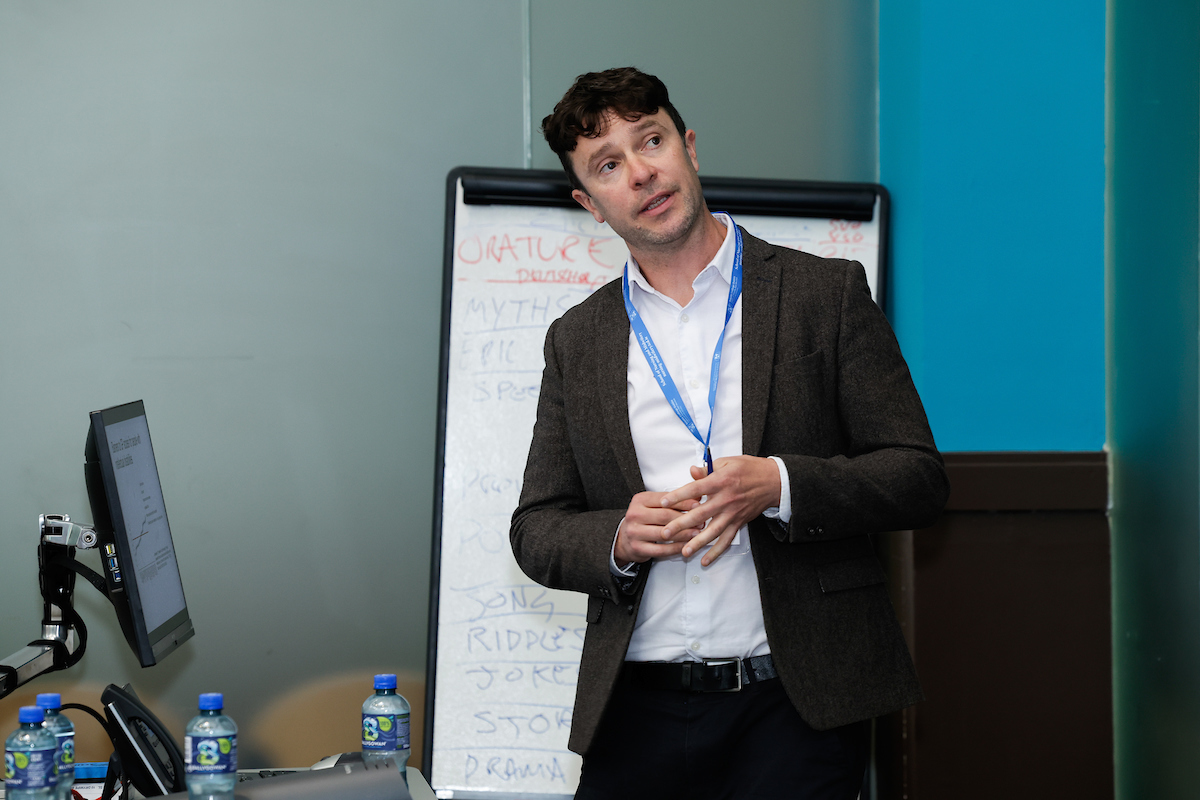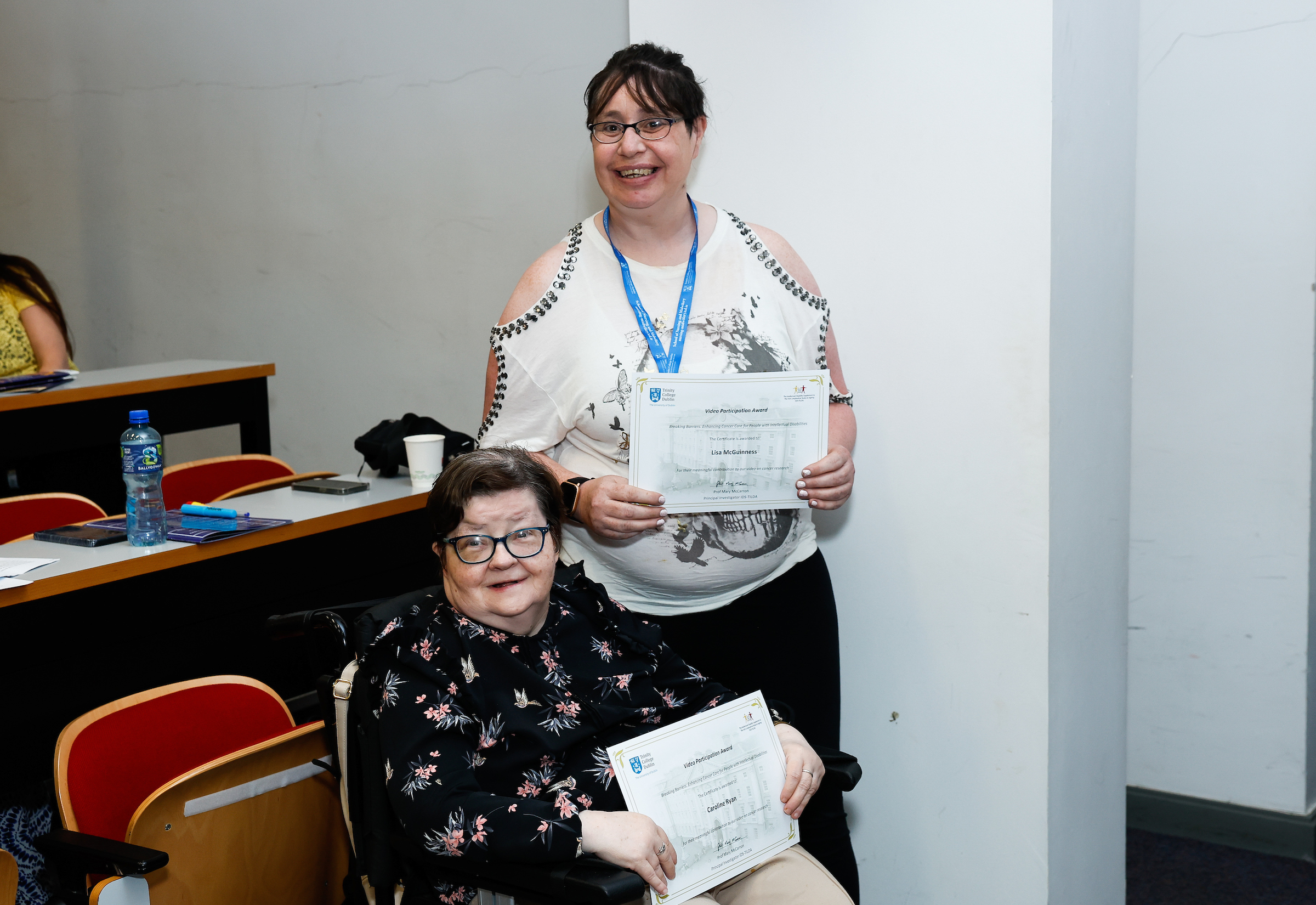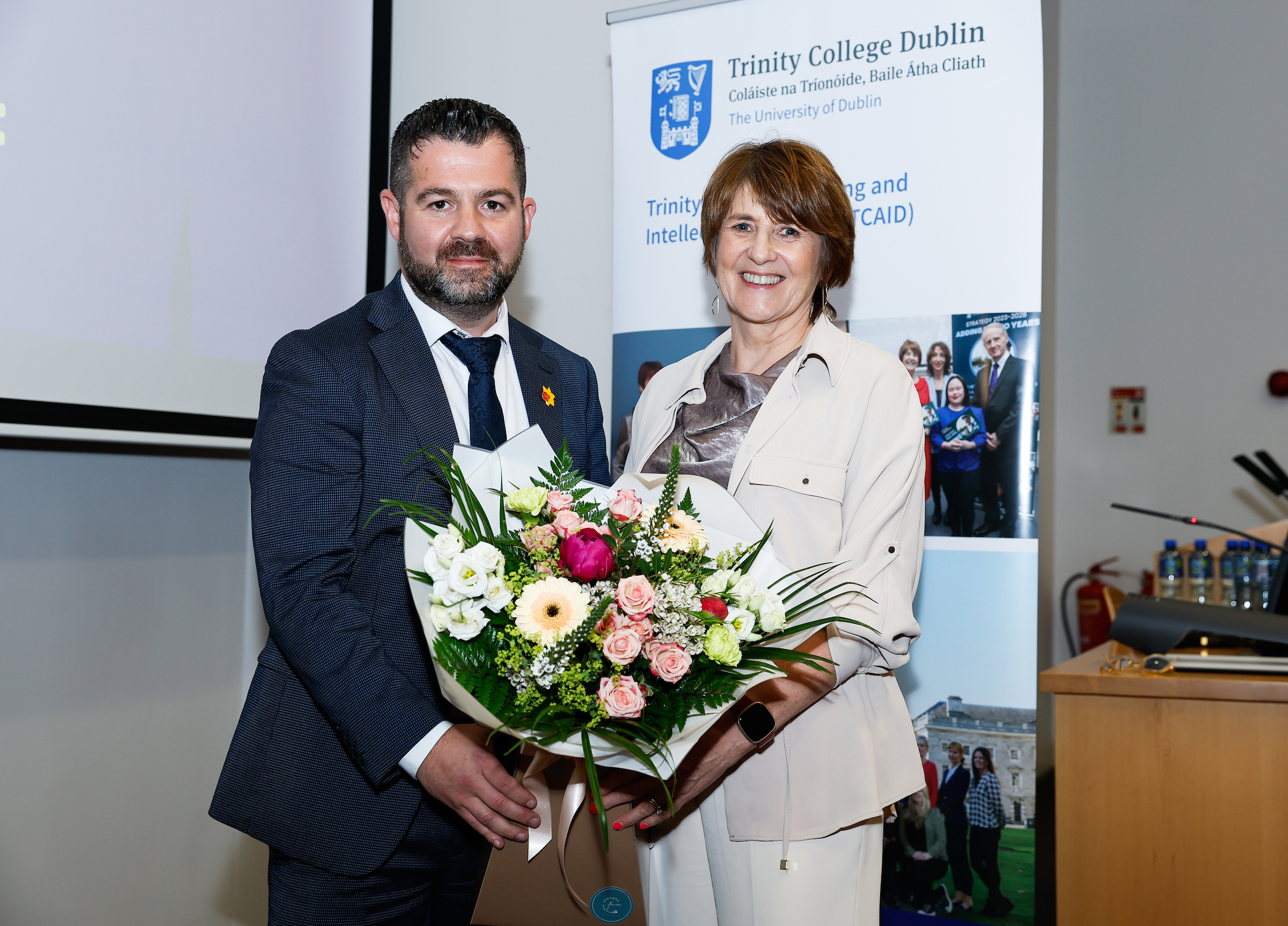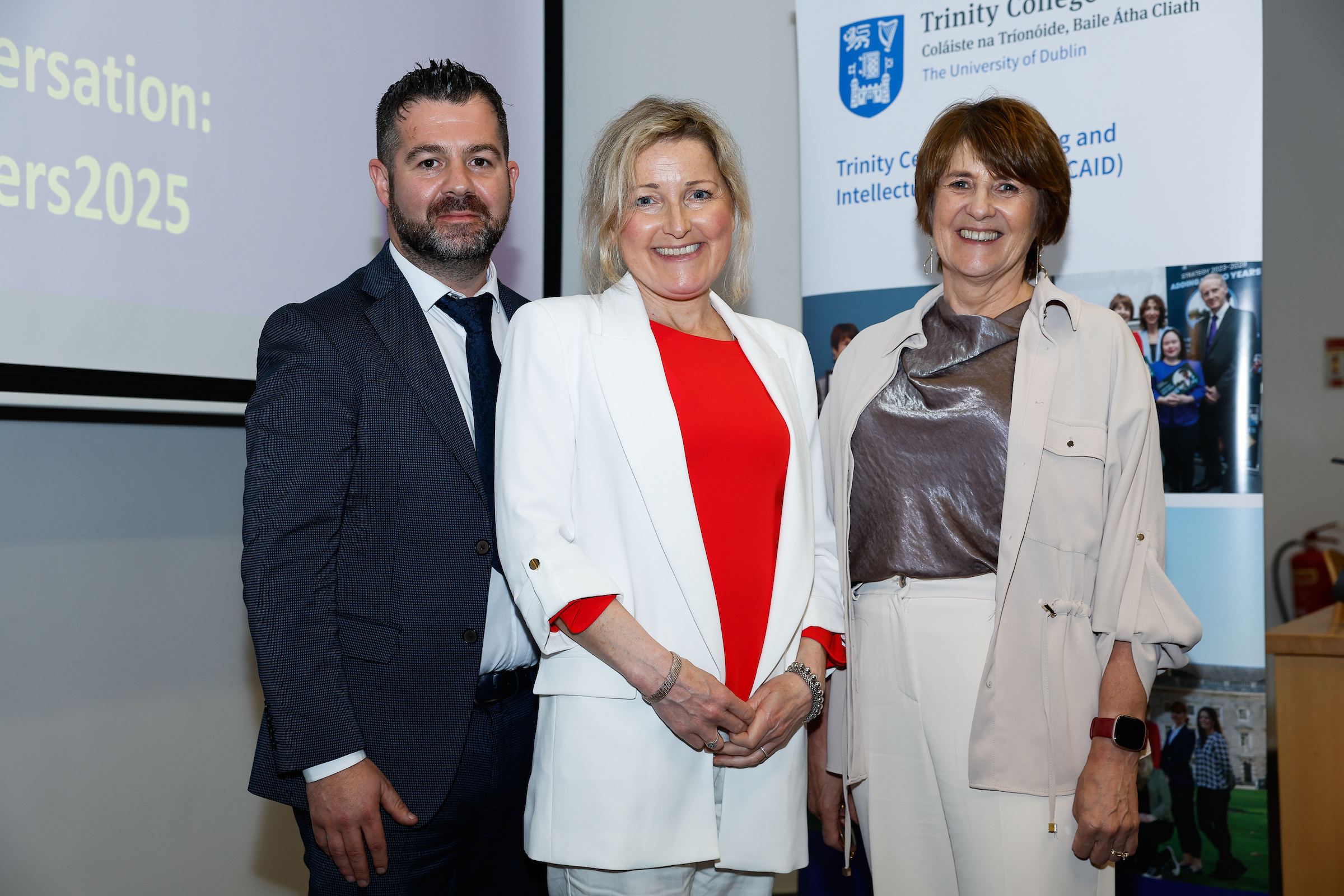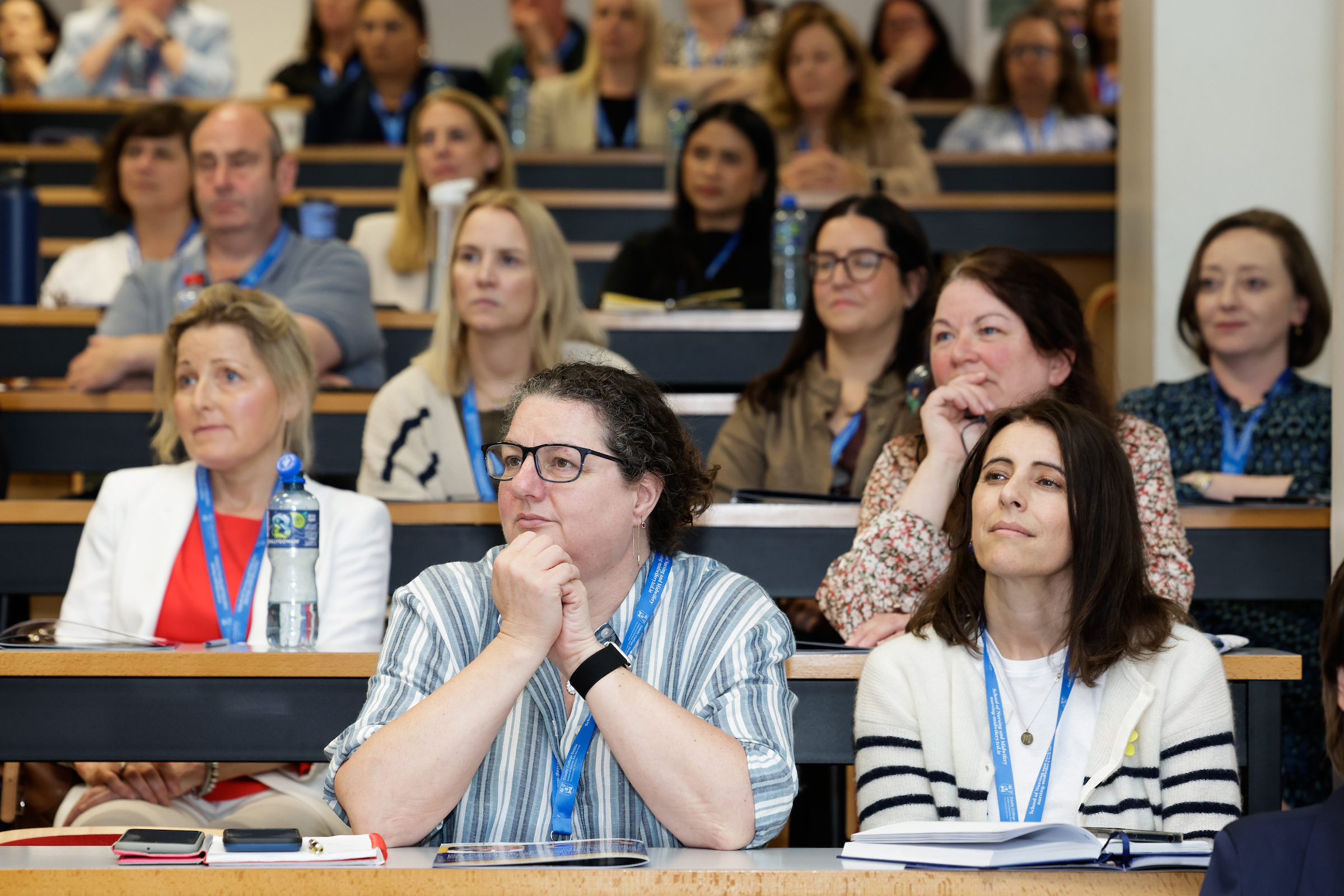
 On Wednesday, May 14th, 2025, the Trinity Centre for Ageing and Intellectual Disability (TCAID) proudly hosted Breaking Barriers: Enhancing Cancer Care for Individuals with Intellectual Disabilities — the first conference of its kind in Ireland and internationally. This landmark event focused on the urgent, under-researched intersection of cancer and intellectual disability, highlighting the significant health disparities faced by this population.
Studies have shown individuals with intellectual disabilities are disproportionately affected by cancer, experiencing higher prevalence of certain cancers, delayed diagnoses, and poorer outcomes. Despite this, cancer in this population remains under-researched, and those affected often encounter significant barriers within healthcare systems that are not designed to accommodate their specific needs.
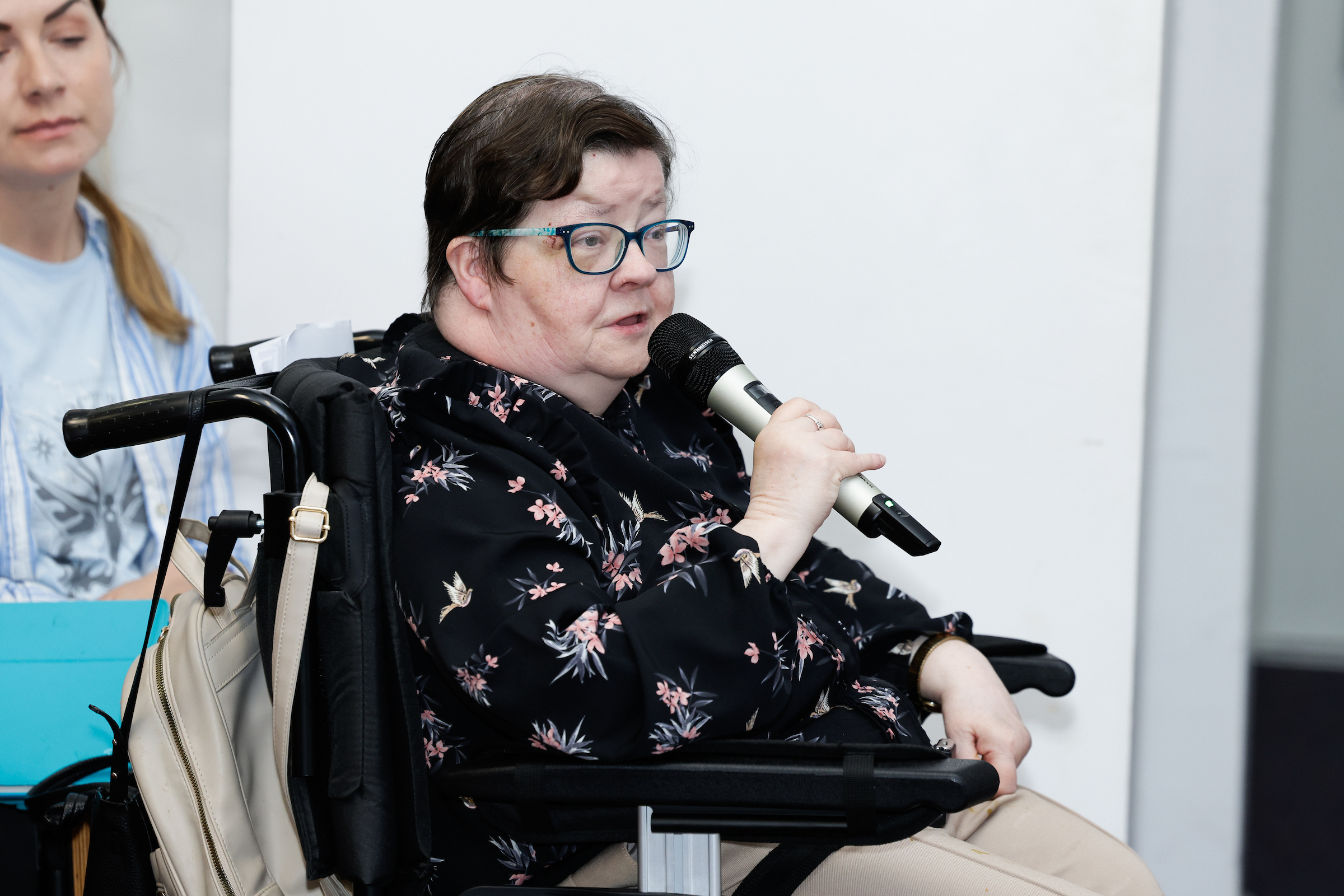
The conference brought together over 200 participants, including people with intellectual disabilities, families, carers, healthcare professionals, researchers, policymakers, and advocacy groups. The programme explored key themes such as cancer epidemiology in this population, barriers and enablers in screening and early detection, ethical considerations, advocacy, meaningful Patient and Public Involvement (PPI), and the need for policy reform and reasonable adjustments in cancer services.
We were honoured to welcome Minister Hildegarde Naughton, Minister of State at the Department of Children, Disability and Equality with responsibility for disability, and Professor Brian O'Connell, Dean of the Faculty of Health Sciences at Trinity, who opened the event with inspiring and thoughtful remarks. Both highlighted the need for research-informed policy and the urgency of addressing cancer care inequalities for individuals with intellectual disabilities.
We were equally honoured to welcome an exceptional line-up of expert speakers whose work is at the forefront of cancer epidemiology, treatment, public health, and advocacy:
- Dr. Maarten Cuypers (Radboud University Medical Centre, Netherlands), who presented on the deficits and research priorities across the cancer continuum for people with intellectual disabilities.
- Dr. Alyson Mahar (Sinclair Cancer Research Institute, Queen’s University, Canada), who provided an international research perspective of cancer among adults with intellectual disabilities.
- Professor Maeve Lowery (Trinity St James’s Cancer Institute), who explored the advances and challenges in the systemic treatment of cancer and the move towards a personalised approach.
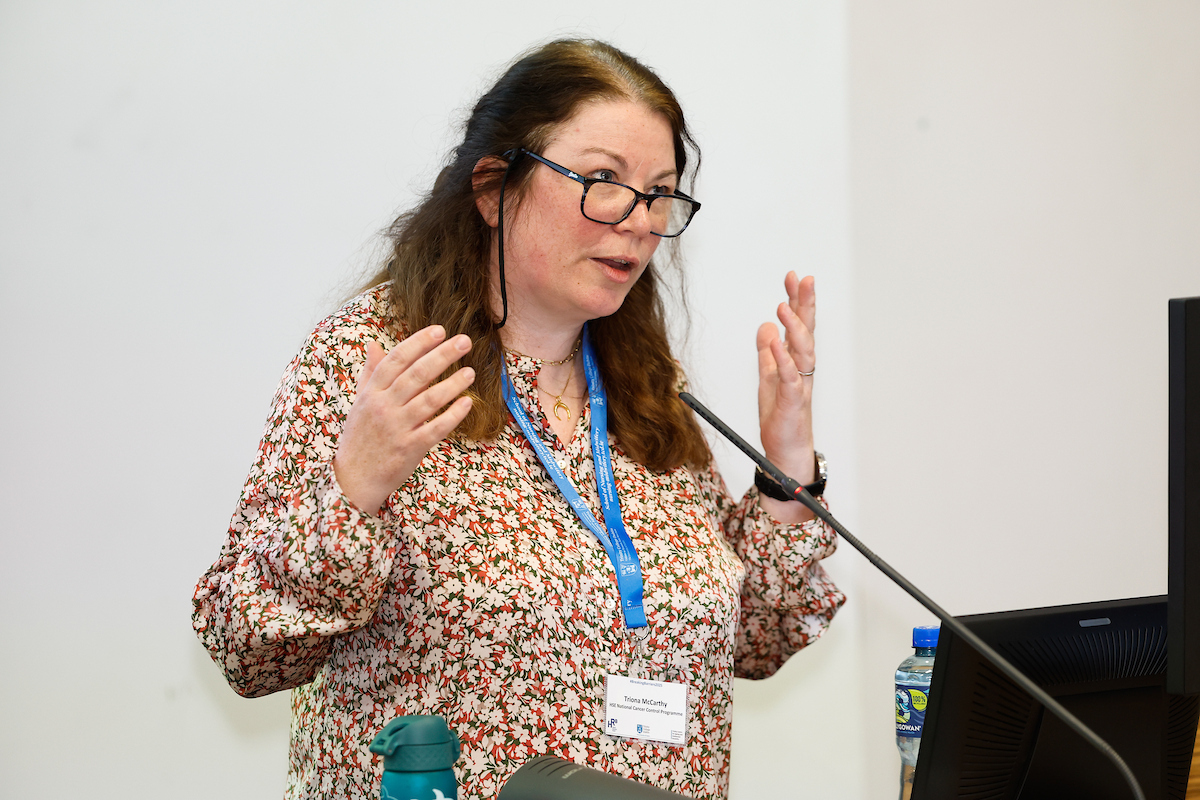
- Dr. Triona McCarthy (HSE National Cancer Control Programme), who addressed national efforts to improve cancer services for people with disabilities, considering a targeted approach.
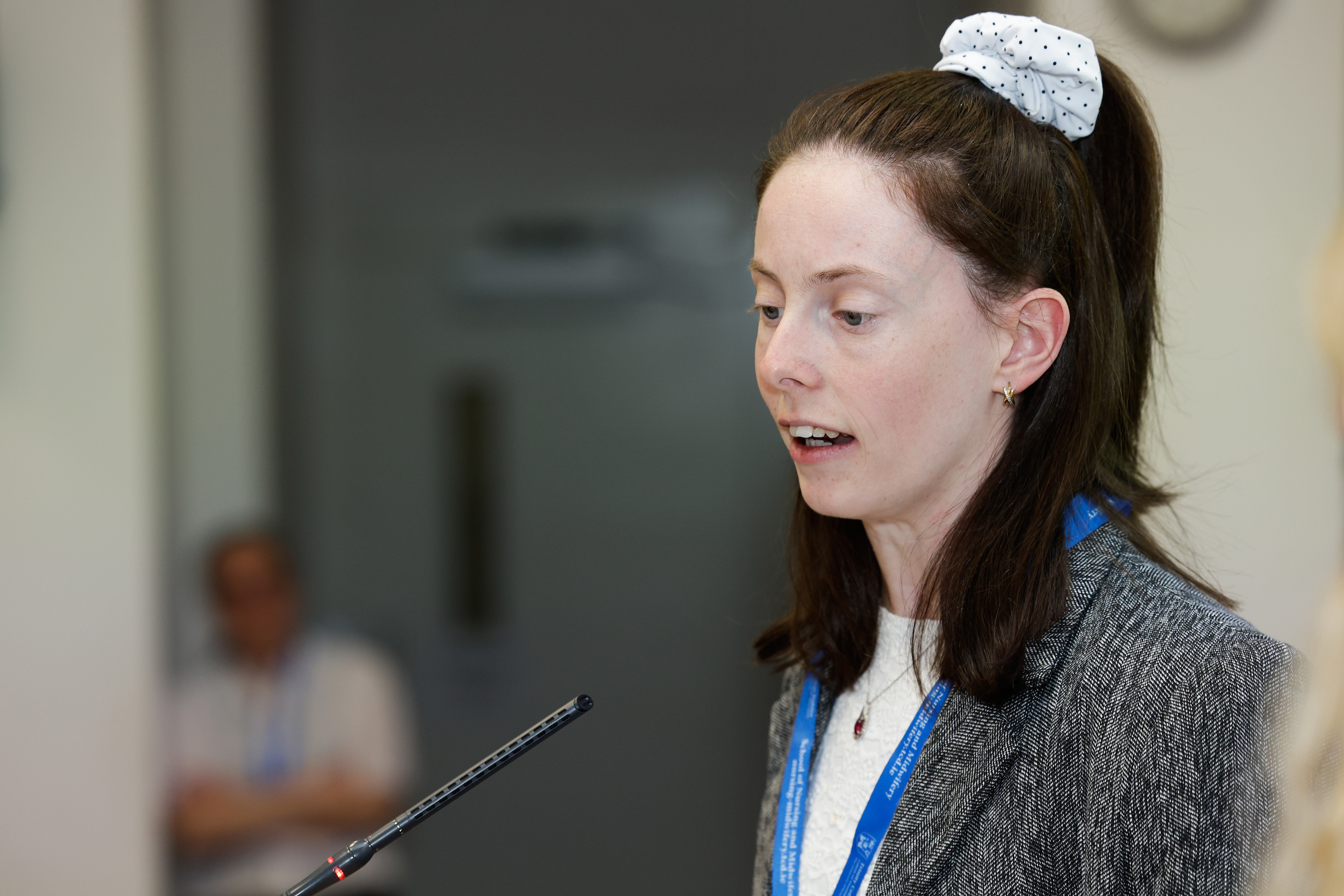
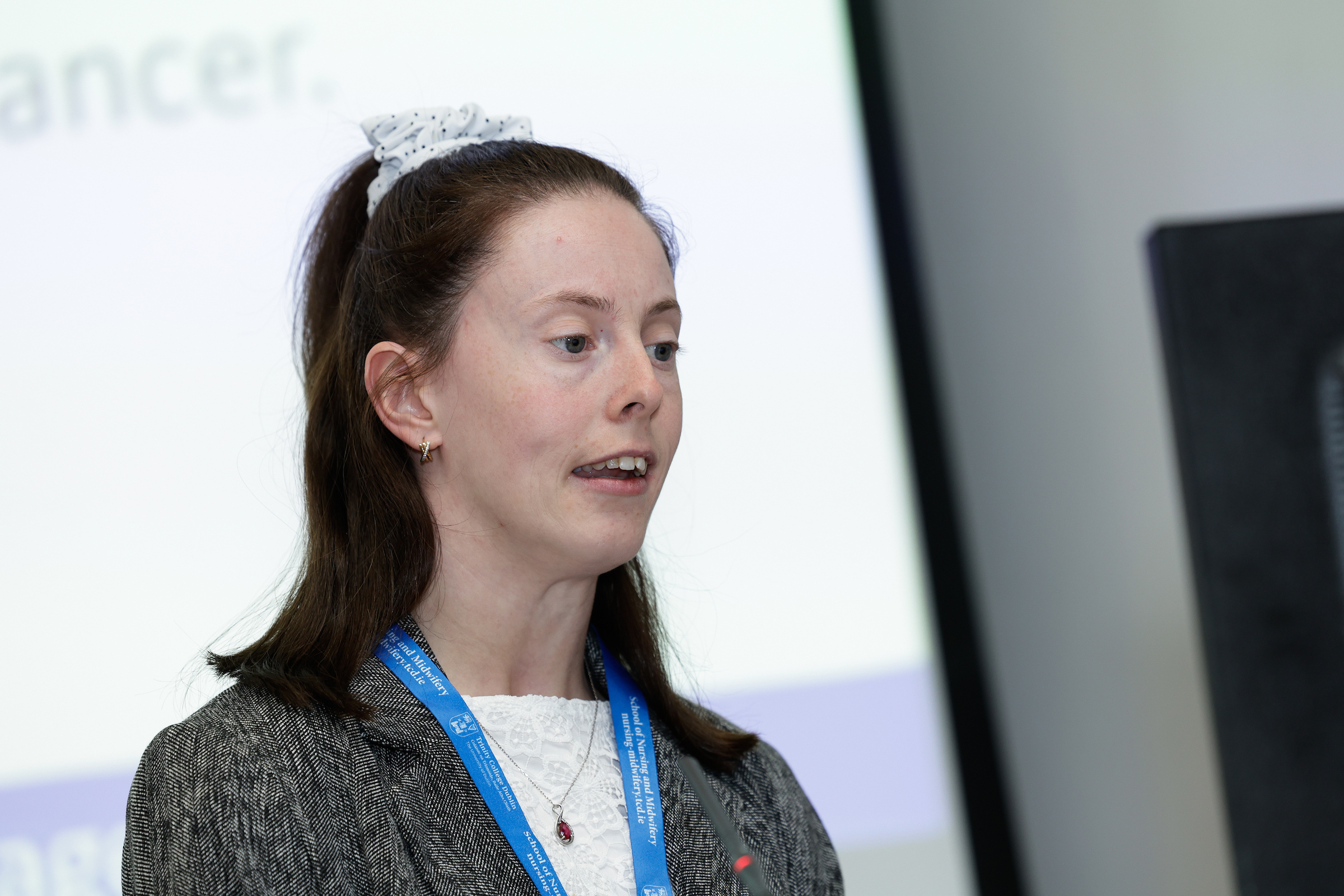
A unique and important feature of the day was the accessible summaries delivered immediately following each expert presentation. These were presented by PPI advocates, Ms. Mei Lin Yap and Ms. Shannon O’Farrell Molloy, who translated each presentation into an accessible format, ensuring that everyone in the room could understand and connect with the information shared. This approach not only supported inclusion, but also highlighted the importance of making information genuinely accessible to all participants. By ensuring that everyone—regardless of background or ability—could engage with the content, the event demonstrated a practical and effective model for accessibility.
We would be happy to share our approach and offer support to others looking to implement similar practices at their own events.
Delegates engaged in three concurrent sessions exploring key themes such as ethics and advocacy, early detection and health surveillance, and inclusive policy and practice. Each session highlighted national and international initiatives and offered practical, research-informed solutions. These sessions featured presentations from the Health Service Executive, Trinity St James Cancer Institute, Irish Cancer Society, Decision Support Service, National Screening Service, CUPID COST Action, Stewarts Care, Queen’s University Canada, and PPI representatives.
We extend our sincere thanks to all presenters and contributors to these sessions, and to our dedicated session chairs, Professor Mary McCarron, Professor Eilish Burke, and Dr. Emer Guinan, for steering these important conversations.
/filters:format(webp)/filters:quality(100)/prod01/channel_3/media/tcd/nursing-midwifery/images/staff-images/Martin-NEW.jpg)