INHEF Seminar #3: The Inclusive University in Theory and Practice
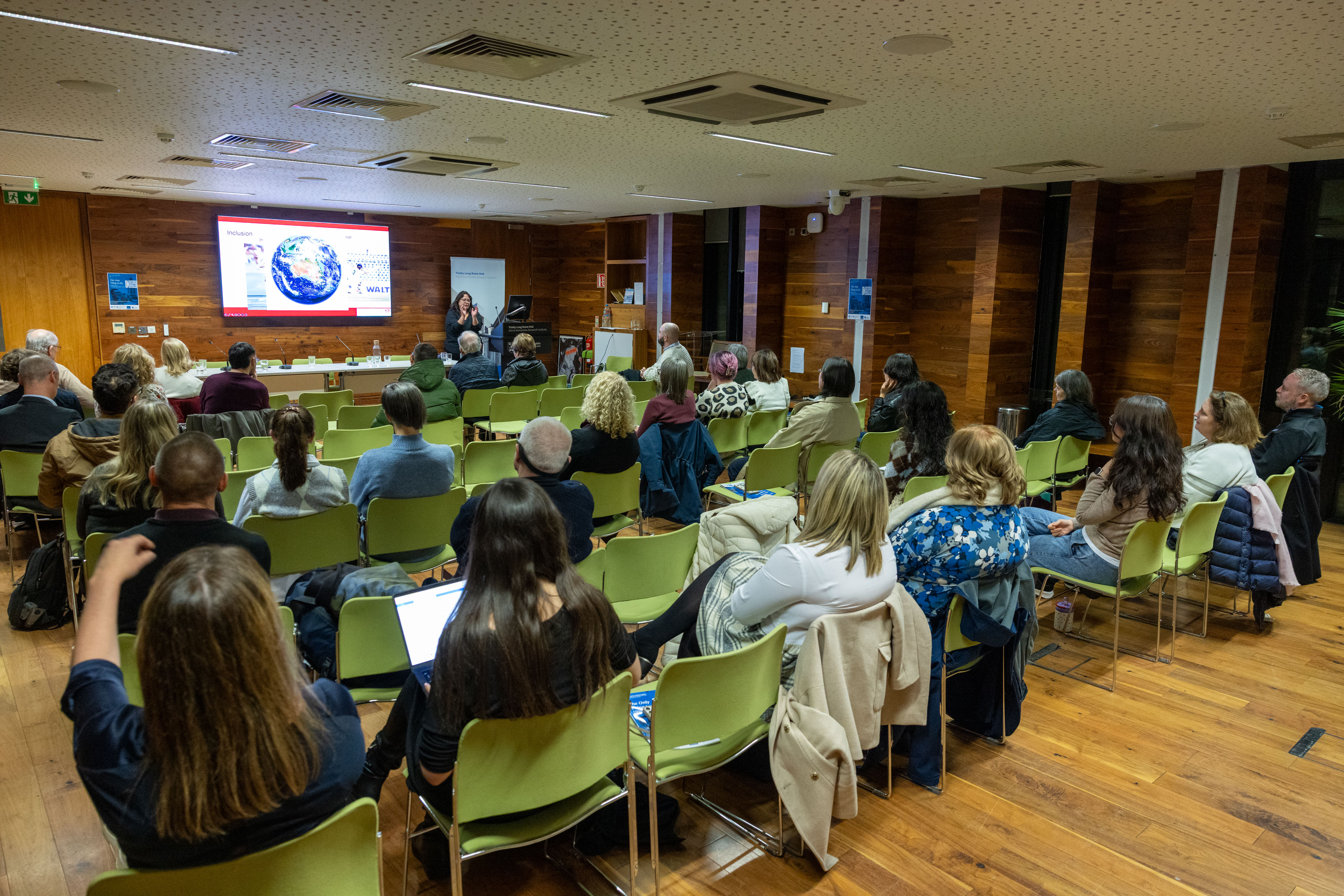
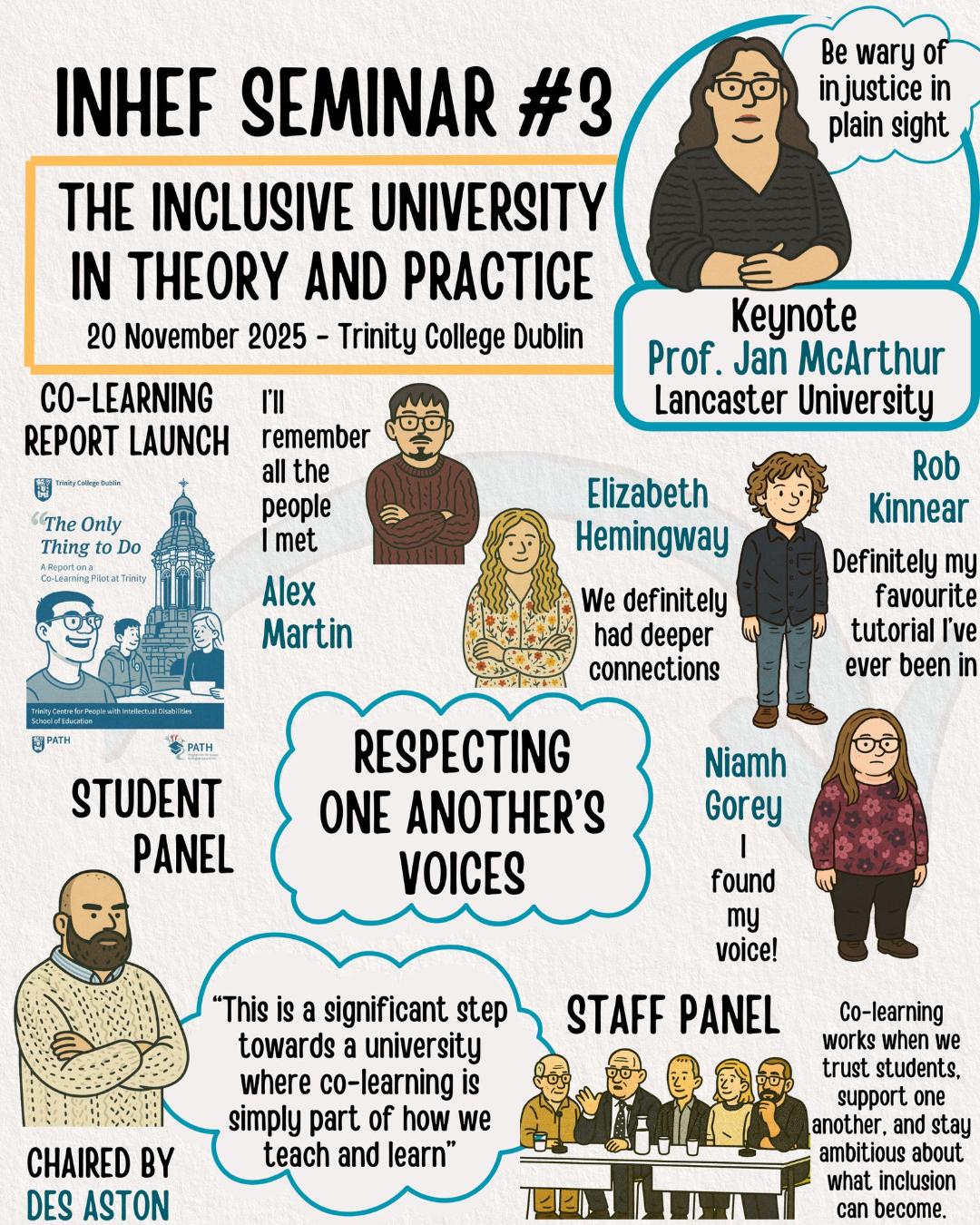
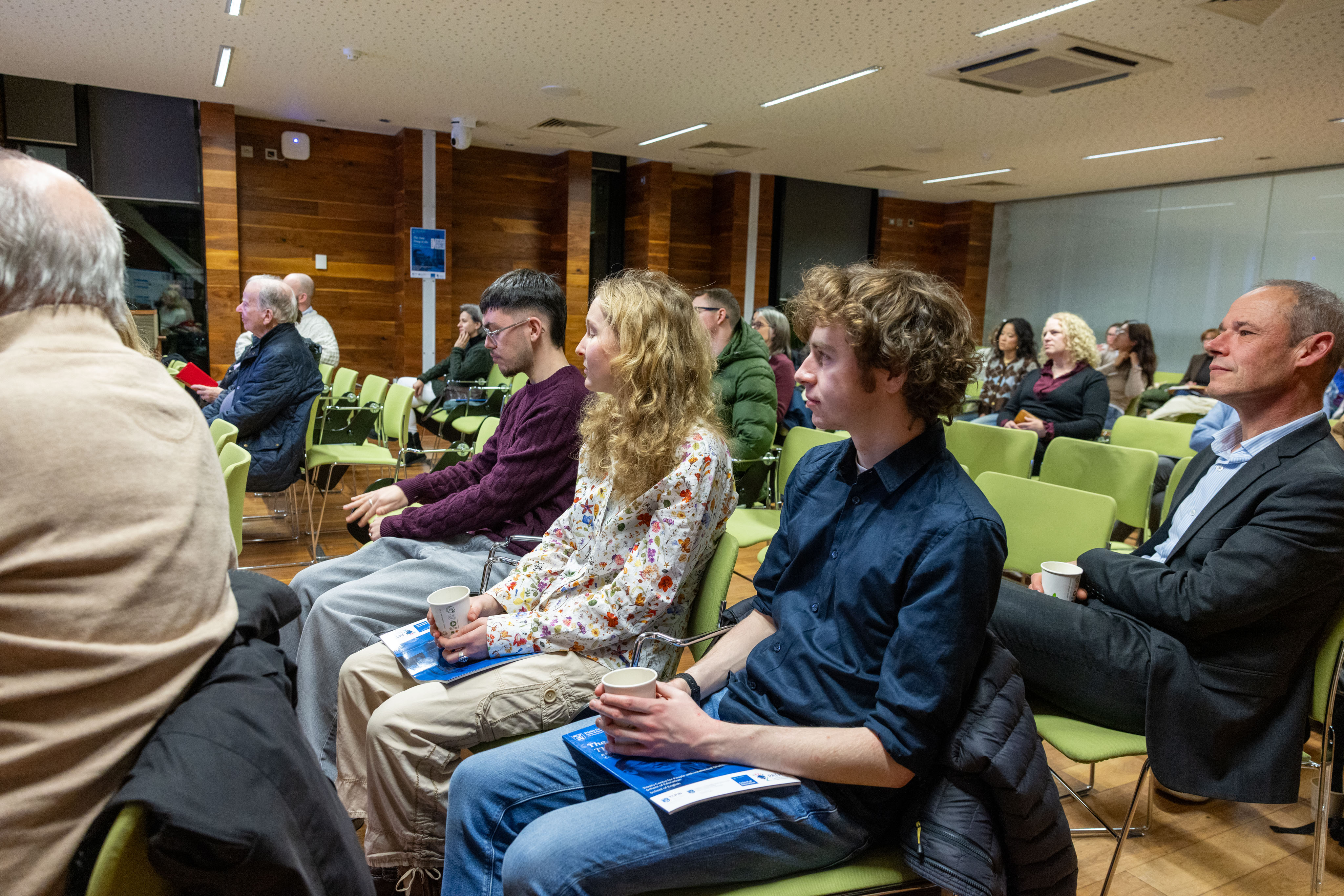
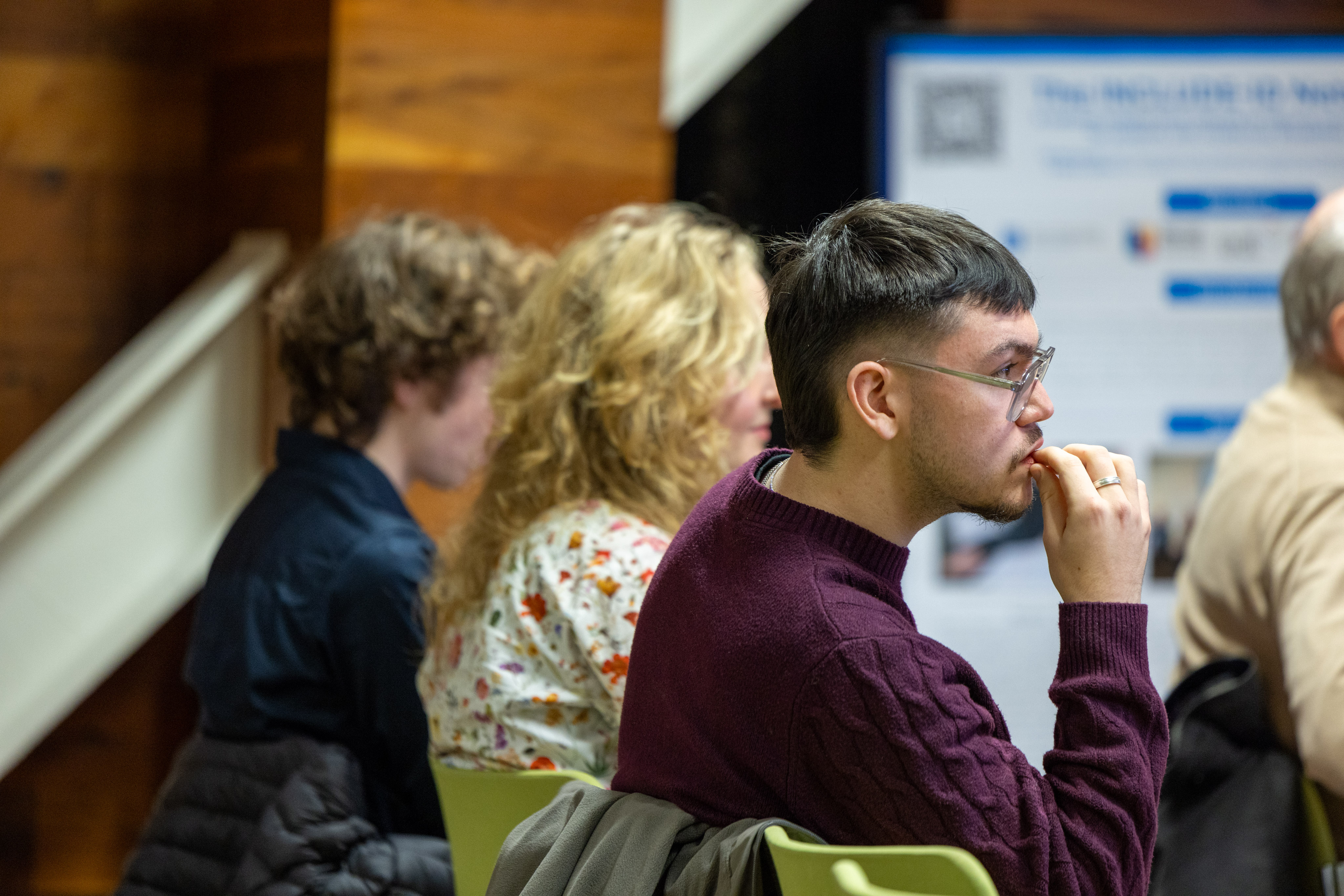
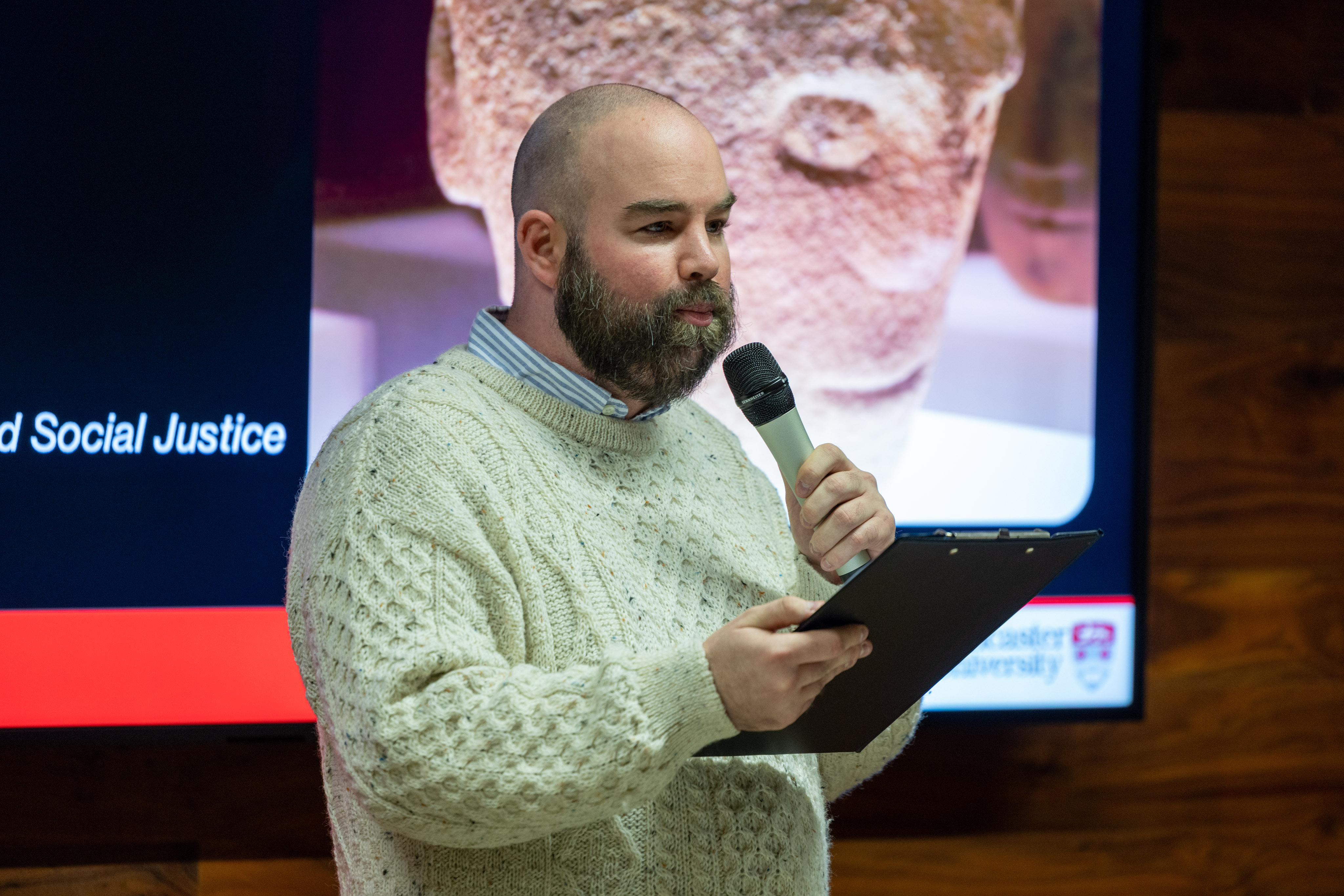
The third INHEF seminar brought together students, staff, researchers, and partners for a rich and energising exploration of inclusive higher education. The event marked the launch of the School of Education’s Centre for People with Intellectual Disabilities (TCPID)’s co-learning report “The Only Thing to Do”, produced with the School of English at Trinity College Dublin, and featured a keynote from Professor Jan McArthur of Lancaster University. The seminar opened with reflections from the student panel, chaired by co-learning project lead and Chair of INHEF, Des Aston.
TCPID students Al Martin and Niamh Gorey were joined by School of English students Elizabeth Hemingway and Rob Kinnear. Niamh reflected on how she had been shy when meeting new people at the beginning of the module, but as she got to know her lecturer, tutor, and peers in the shared tutorials, her confidence steadily grew. She spoke about the importance of making friends and how, at first, she did not always feel comfortable speaking up when others were eager to contribute. Over time, she found her voice and felt more able to share her own perspectives in class.
Al explained that, for him, the content of the module mattered less than the people he met and the confidence he gained in speaking with other students. He noted that these experiences have served him well in his current TCPID graduate internship with the Student-to-Student mentoring service in the TCD Student Counselling Service, where he meets and welcomes a wide range of students each day.
Elizabeth remarked that she felt a deeper sense of connection within her tutorial group, whether due to the inclusive design of the module or the approach of the tutors and academic staff. This connection, she said, encouraged richer conversations and more meaningful engagement with the material they were studying. Rob shared similar reflections on the way the module was implemented, describing it as his favourite tutorial group he had ever been part of.
All four students emphasised the value of listening to and respecting one another’s voices within the shared academic space, and the importance of being challenged by peers as an integral part of the learning process.
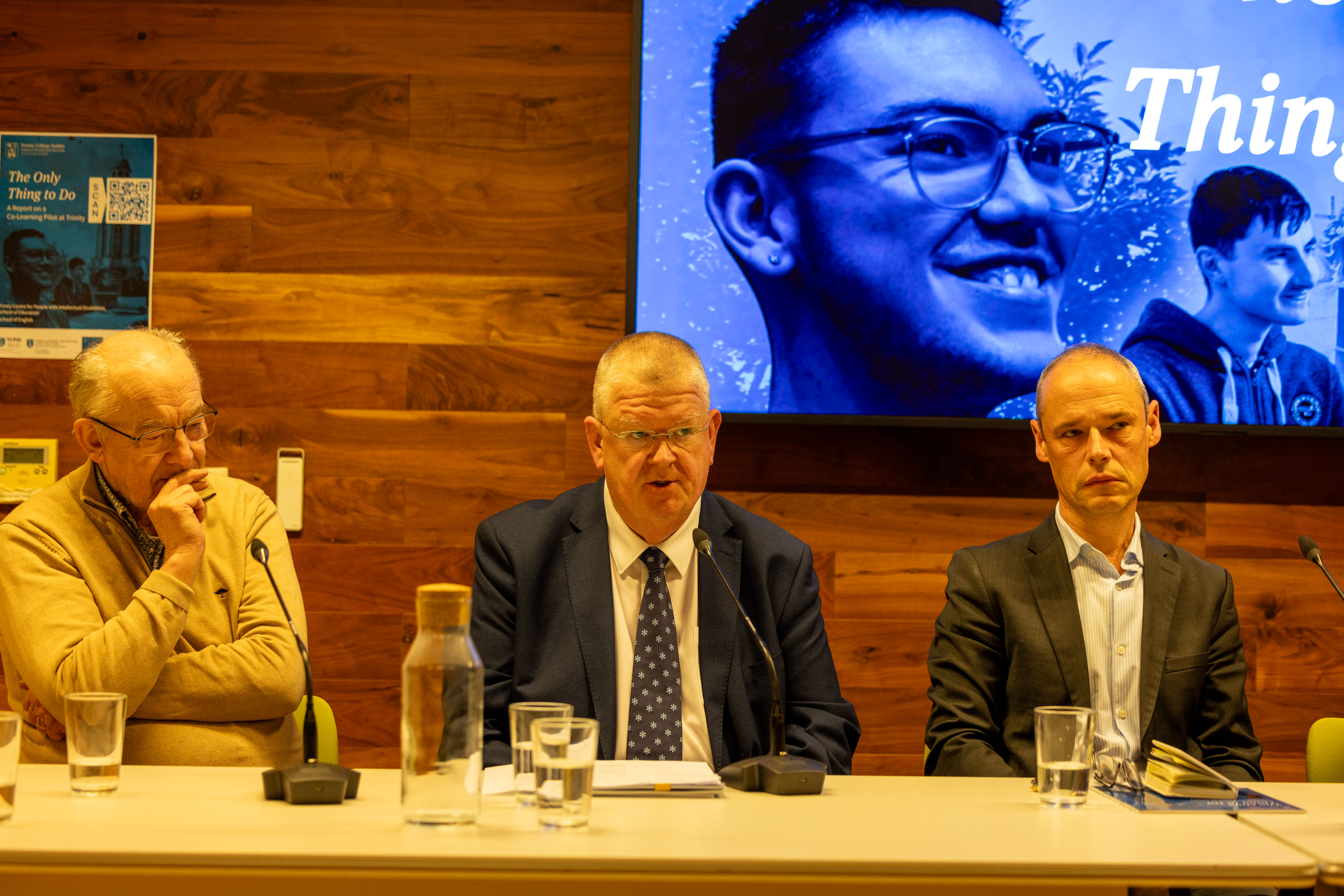
The staff panel, also chaired by Des, followed. Professor Michael Shevlin, former Director of TCPID, and Professor Paul Delaney from the School of English described how the pilot began with a casual stairwell conversation and a “why not?” approach that quickly gained traction. Delaney emphasised the unanimous support within the School of English, highlighting how colleagues—particularly Professor Rosie Lavan—played key roles in making the initiative a reality.
Méabh Ní Choileáin, a PhD researcher in the School of English with a background in teaching, spoke about bringing together her pedagogical experience and her academic research as a co-learning champion. In her work with TCPID students, particularly in bridging lectures, she adopted the same principles she applies to any student group: high expectations, autonomy, and shared ownership of the learning process.
Dr Owen Barden reflected on joining the project midway, coming from the UK higher-education system where such initiatives are not yet established. He noted that he had anticipated ideological or attitudinal barriers but instead encountered overwhelming enthusiasm. The challenges, he said, were primarily logistical, and he praised the strong support from staff across Trinity.
Professor Conor McGuckin, current Director of TCPID, highlighted the sustained support for co-learning from the highest levels of the university, including the Provost, Professor Linda Doyle; the Faculty Dean, Professor Carmel O’Sullivan, who attended the event; and school leadership in both Education and English. He reflected on the ambitions often placed on young people with intellectual disabilities, noting that even with recent progress, “perhaps we are still not ambitious enough—and there is more we can and should do.” He outlined plans to formalise co-learning within the ASIAP curriculum and ensure students receive credit for their participation, a direction echoed by Dr Barden, who confirmed that a formal programme-wide review is already underway.
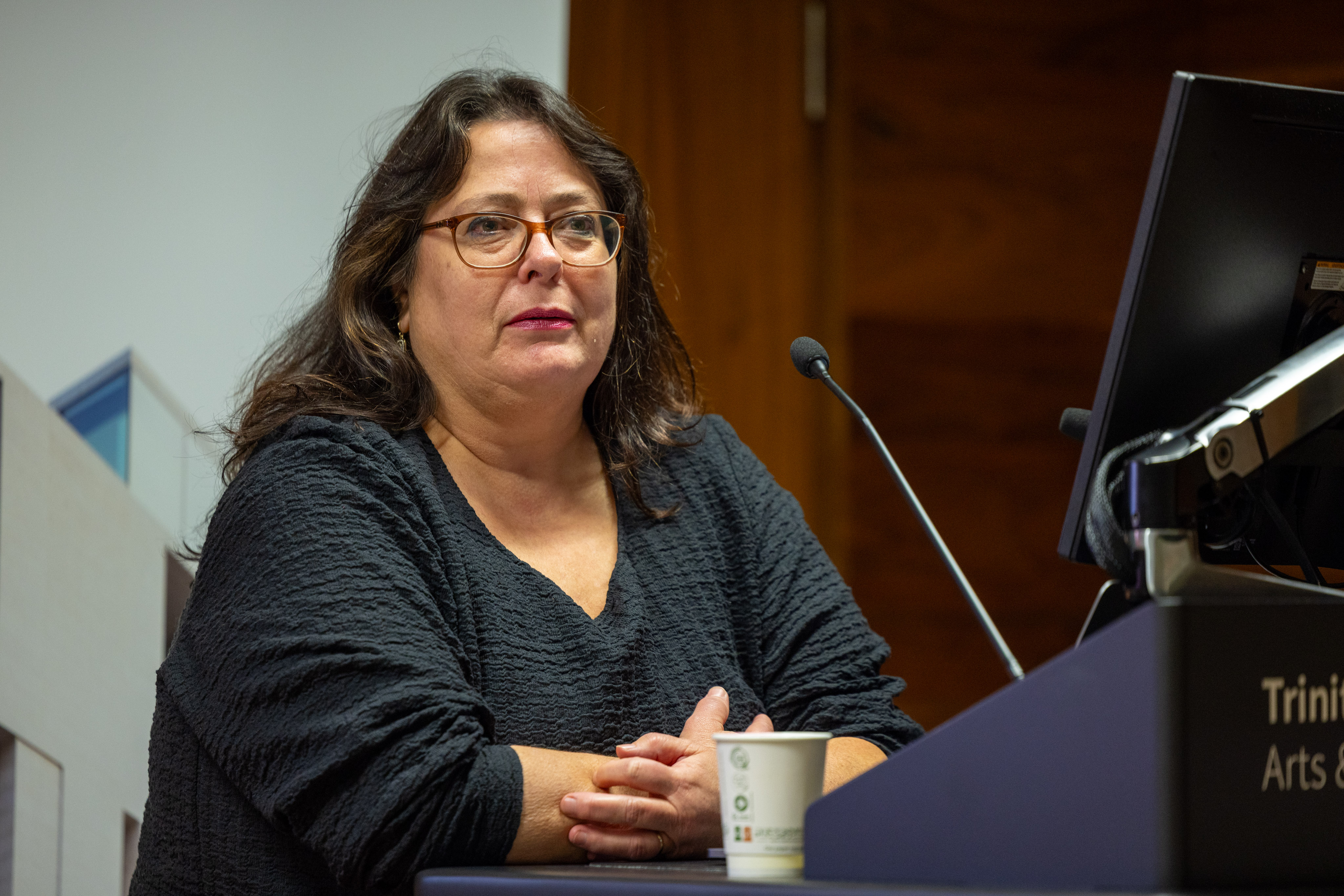
In her keynote, Professor Jan McArthur examined inclusive higher education through the lenses of social justice, privilege, and institutional responsibility. She spoke about “injustice in plain sight” and challenged the co-learning team—and the wider university—to reflect on how privilege and precieved ‘prestige’ operate within higher education, and how these can be consciously used for genuine good. Professor McArthurs reflections echoed themes previously raised by Provost Linda Doyle, who has articulated her vision for Trinity as “the good university,” grounded in respect, fairness, democracy, sustainability, and diversity as core values. In her public addresses, the Provost has frequently cited the achievements of TCPID students and alumni as a powerful example of this vision in action. McArthur’s keynote served as a timely reminder of this ambition and the opportunities ahead for Trinity to deepen its commitment to inclusion. McArthur further emphasised the need to recognise “injustice in plain sight”, cautioning that genuine inclusion must never become a call for conformity, and encouraged attendees to remain “defiant in the face of injustice”.
Reflecting on the launch of the report, Des Aston said: “This is a significant step towards a university where co-learning is simply part of how we teach and learn. When we bring students together as equal participants, we build a community shaped by shared curiosity, mutual respect, and genuine inclusion.” The seminar concluded with a strong sense of momentum and shared purpose. By bringing together lived experience, research, and critical reflection, the event showcased the transformative potential of co-learning and reaffirmed Trinity’s ongoing commitment to building an inclusive university for all.