

March TCAID: InFocus - Trinity Celebrates Five Years of Public and Patient Involvement and Launch of National Impact Framework

Trinity College Dublin recently marked an important milestone with a special Public and Patient Involvement (PPI) Celebration event, held on 26 February at the Trinity main campus. The event brought together colleagues, PPI contributors, students, funders, policymakers and partners for an afternoon of reflection, recognition and forward-looking discussion, as the University celebrated five years of progress in embedding PPI across research.
Hosted by the Trinity PPI Ignite Office, the event highlighted the University’s leadership role within the PPI Ignite Network and its continued commitment to advancing meaningful, co-designed research that places the voices of patients and the public at its centre. It also provided an opportunity to take stock of the work achieved to date, while setting out ambitions for the next phase of PPI development at Trinity and across Ireland.
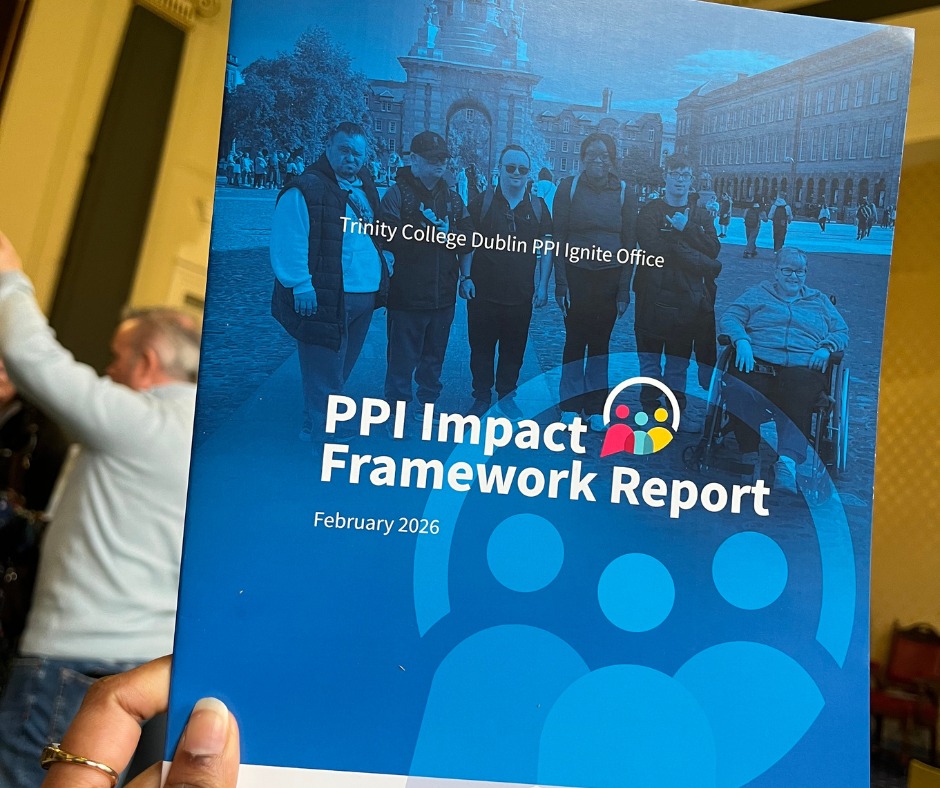
A central moment of the afternoon was the launch of the PPI Impact Framework Report, a new national resource designed to support researchers and PPI contributors in working together to plan for and capture impact in a meaningful and structured way. The framework was developed through a national co-design process involving contributors, researchers and stakeholders from across Ireland, reflecting a wide range of perspectives and experiences.
The PPI Impact Framework provides a practical model that can be used at multiple stages of a research project. At the development stage, it helps teams to set out a clear roadmap for their intended impact and to think carefully about what meaningful outcomes might look like for different stakeholders. At a mid-review stage, it offers a way to assess progress, reflect on what has been achieved so far and identify what remains to be done. Finally, at the end of a project, it supports teams in capturing their accomplishments, reflecting on learning and determining next steps.
Importantly, the framework recognises that impact is not a single, fixed concept. It encourages research teams to consider the different ways impact may be experienced and valued by contributors, communities, researchers and wider society, supporting a more inclusive and reflective approach to impact assessment.
The full report is available here: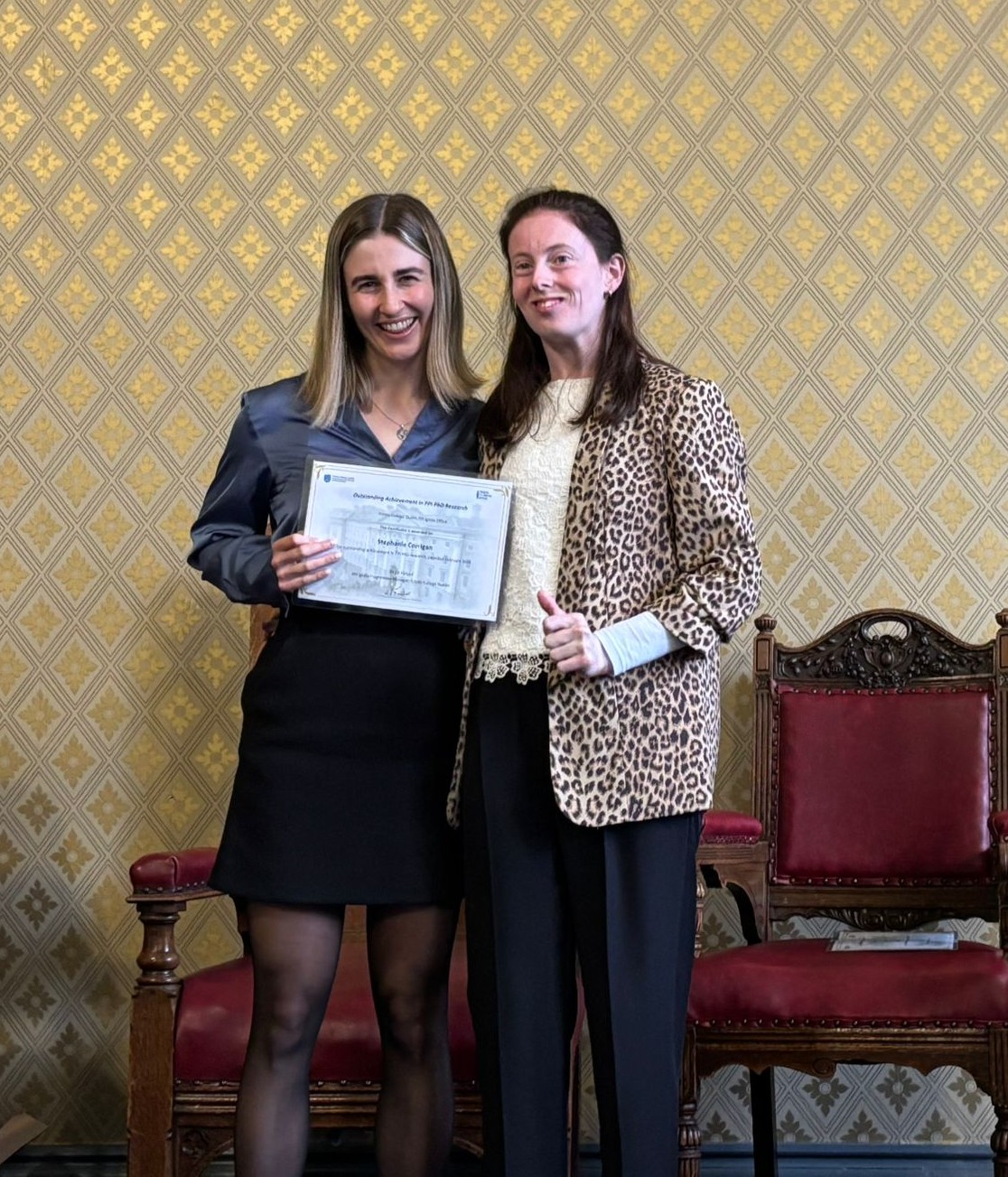
The event also provided an opportunity to celebrate excellent PPI practice among PhD students across a wide range of disciplines. Awards were presented to Eva Woods, Adam Shanley, Stephanie Corrigan, Ciara McNevin, Avril McTague, Katie Essene Deevy, Faye Lewis, Lesley Doyle, David Hackett and Zihan Zhang, recognising their commitment to embedding meaningful involvement in their research.
PPI contributors Shannon O’Farrell-Molloy and Moira McLoughlin presented the awards and shared thoughtful reflections on their own experiences of PPI, highlighting the importance of lived experience in shaping research that is relevant, respectful and impactful.
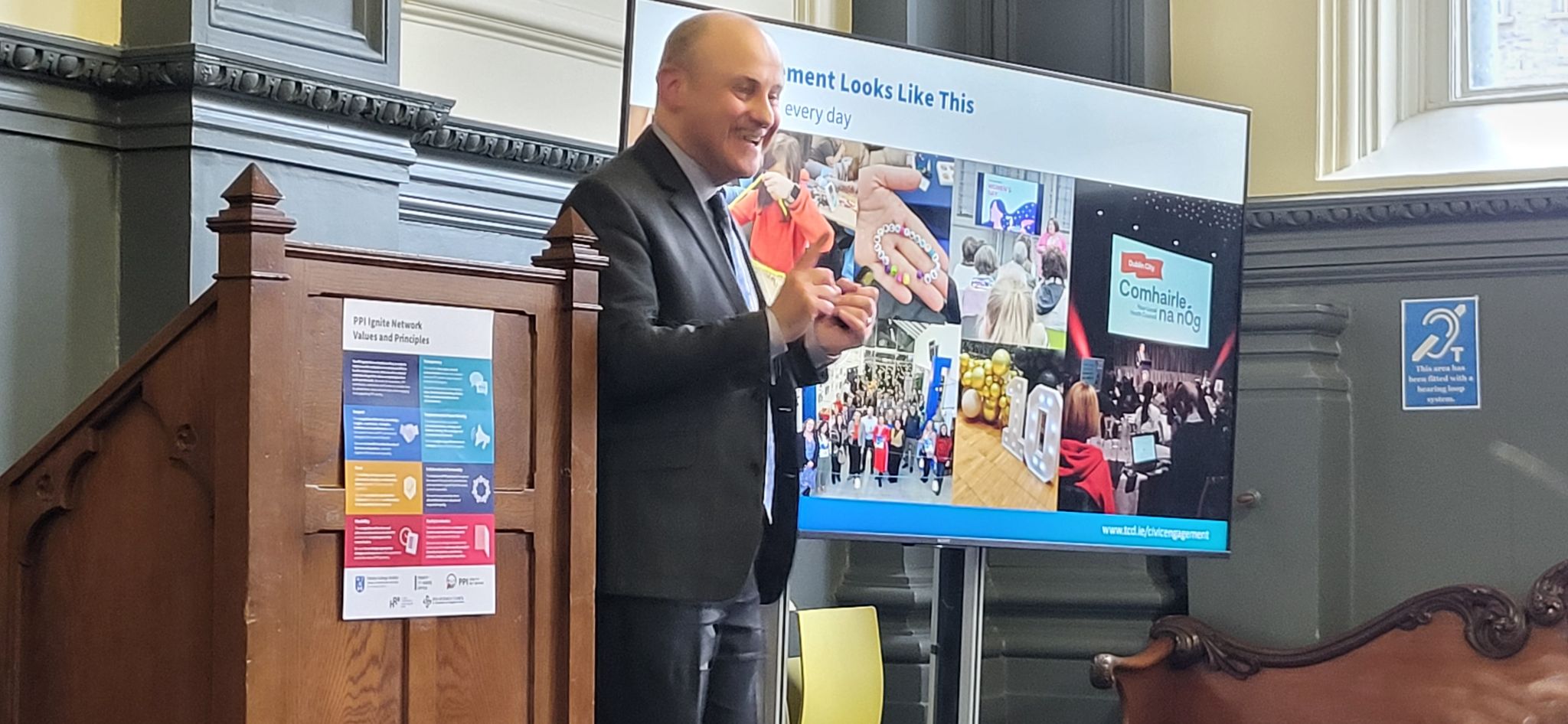
Attendees also heard from Professor Sinead Ryan, Dean of Research, who reaffirmed the importance of PPI within Trinity’s research strategy, and from Declan Meenagh, PPI Co-Lead, who spoke about the future direction of PPI at Trinity and outlined plans for the next five years.
The event was led by Dr Liz Farsaci, PPI Programme Manager, and Dr Eimear McGlinchey, Academic Lead, whose work continues to shape and strengthen PPI activity across the University.
Thank you to all my colleagues and co-designers who have made this work possible, and a huge congratulations to our amazing PhD students. I look forward to working with all of you as we continue this important work and move to develop and strengthen the voices of lived experience in research, services, policy and communities.Dr Liz Farsaci, PPI Programme Manager, Trinity College Dublin
Edel Murphy, PPI Specialist, captured the atmosphere and significance of the event in her reflections:
Edel Murphy, PPI SpecialistThis event captured everything positive about the growth in PPI over the last five years. The progress at one University, Trinity College Dublin, exemplified by the outstanding PhD scholars honoured, was celebrated alongside the launch of an innovative PPI Impact Framework, developed on behalf of the PPI Ignite Network, with the leadership of the Trinity Centre for Ageing and the Life Course in Intellectual Disability shining like a beacon.
The room was packed with academics from across Trinity College Dublin and from other universities, side-by-side with PPI contributors, representatives from patient charities and PPI Ignite Network staff and partners. Powerful contributions from Shannon O’Farrell-Molloy and Declan Meenagh brought the voice of lived experience to proceedings. I left reflecting on the importance of providing opportunities for all voices to come together, to listen to each other, and to learn from each other.
The afternoon concluded with a performance by the Cairdeas Community Choir, whose inclusive and uplifting contribution brought the celebration to a fitting close.
The event also acknowledged the leadership and commitment of Professor Mary McCarron, Michael Foley and Sarah Bowman, whose vision and dedication have been central to the establishment and development of the PPI Ignite Office at Trinity, and to fostering a culture of partnership and co-design that continues to shape this work.
Looking ahead, Trinity’s PPI activities will continue to be supported by the Health Research Board as part of the next phase of the PPI Ignite Network. This support will enable the University and its partners to build on the strong foundations established over the past five years and to further strengthen meaningful public and patient involvement in research across Trinity and beyond.