

CL2319 Herodotus
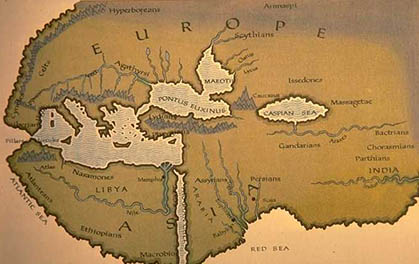
This module explores the work of the fifth-century BC Greek historian Herodotus, the first person to write history in the European tradition. Herodotus' Histories is a multifaceted text that blends together history, ethnography, geography, anthropology and political critique in the course of explaining the cause of the Persian wars (490-479 BC). Weekly lectures explore the context and themes of Herodotus' text; the Histories and the poets; enquiry (historiê) and early Greek enquiries into nature; Herodotean ethnography; paradigmatic history; political critique; and later receptions.
- Module Organiser:
- Dr Ashley Clements
- Duration:
- One term (Jan-Apr)
- Contact Hours:
- 19 (2 Lectures per week and 3 seminars)
- Weighting:
- 5 ECTS
- Assessment:
- 100% coursework (one written assignment, one other exercise)
Introductory Reading
- Marincola, J. and C. Dewald (eds.) (2006) The Cambridge Companion to Herodotus. Cambridge.
- Munson, R. (2001) Telling Wonders: Ethnographic and Political Discourse in the Work of Herodotus. Ann Arbor.
- Immerwahr, H. R. (1966) Form and Thought in Herodotus. Chapel Hill.
Learning Outcomes
On successful conclusion of this module, students should be able to demonstrate:
- Thorough familiarity with Herodotus' text
- Ability to read the Histories against the intellectual and political trends of the fifth century, and both as an account of the past and as commentary on its own times
- The core skill of close textual analysis
- An understanding of, and the ability critically to evaluate, later receptions of Herodotus' work