

CLU11104 Greek and Roman Art and Architecture
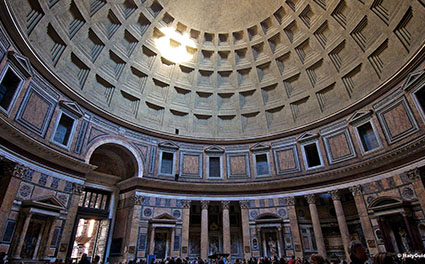
This module offers an introductory survey of the development and major artistic and artistic achievements of Greek and Roman architecture, sculpture and painting from the Greek Bronze Age to the reign of the Roman emperor Hadrian in the early 2nd century AD. The module places art and architecture in its social, political and cultural context. It explores themes such as the representation of the human form, the use of narrative and mythology in art, urbanisation, and the development of architectural forms such as temples, theatres and Roman baths.
- Module Organisers:
- Dr Hazel Dodge; Dr Christine Morris, Dr Giorgos Papantoniou
- Duration:
- All year
- Contact Hours:
- 44 (2 lectures per week)
- Weighting:
- 10 ECTS
- Assessment:
- 100% continuous assessment (four written assignments)
- Course Open To::
- Classics, Ancient History and Archaeology; TJH Ancient History and Archaeology; Columbia Dual Degree; Ancient and Medieval History and Culture; Visiting; Open Module
Learning Outcomes
Upon the successful completion of this module students should be able to:
- Describe and analyse the major monuments and works of art covered in the module.
- Employ the basic terminology for chronological periods and styles of art and architecture, and recall names of important artists.
- Locate regions and sites of major importance in the Greek and Roman world.
- Outline the main developments and achievements of Greek and Roman art.
- Evaluate the role of art and architecture within the context of the societies which produced and used it.
- Apply basic visual skills for identifying and discussing art and architecture.
One term versions of this modules are available to Visiting Students and as Open Modules: