

Current Research Students
Rory Ardill-Walker
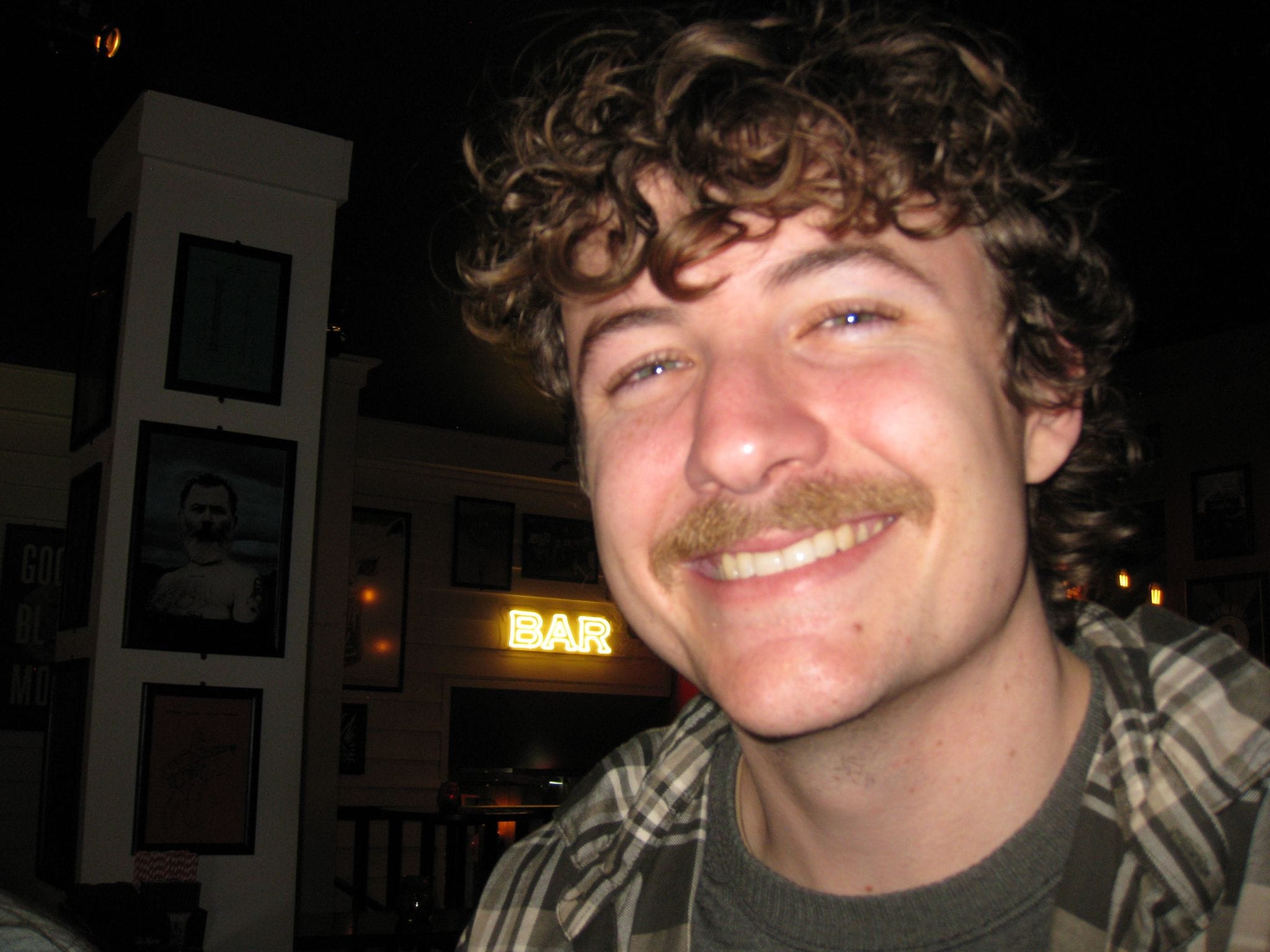 |
The Possibility in Play I received my Bachelor’s (Hons) and Master’s Degrees from the University of Queensland, Australia, before crossing the globe to pursue my PhD at Trinity College Dublin. My research centres on the semantic affordances of the term ἀθύρω and its derivatives in archaic and classical Greek literature. Against treatments that identify it as a remote synonym of παίζω, I argue that the term encapsulates broader philosophies of process and change. It is a ‘moving’ play that expresses flux and unpredictability and reveals alternative Greek approaches to notions of possibility that are characterized as non-teleological. Supported by wider readings of play in philosophy, anthropology, and history, my thesis charts the flowing course of athurō’s polysemy and deployment, from Homeric poetry through to Plato. Contact me at ardillwr@tcd.ie Supervisors: Ashley Clements Funding: Trinity Research Doctorate Award (2024-2028) |
Brian Cluyse
 |
Beyond the break: unravelling the linguistic dimensions of the caesura in Latin elegiac poetry I have received both my BA and MA from Ghent University (Belgium), later specializing in Diachronic and Comparative Linguistics during my postgraduate program at the same university. In my current research, I examine instances where the central caesura of the Latin elegiac pentameter does not coincide with a syntactic break, focusing on the work of Tibullus, Propertius and Ovid. Given that there is a misalignment between the prosodic and syntactic break represented by this metrical caesura, investigating which phenomena in word order, syntax and pragmatics occur in these cases can ultimately enhance our understanding of Latin prosody in general. As such, this project is of interest to both linguists and classical researchers alike. Contact me at cluyseb@tcd.ie or https://www.researchgate.net/profile/Brian-Cluyse Supervisors: Prof. Anna Chahoud and Dr. Boris Kayachev Funding: Irish Research Council within the framework of the SFI-IRC Pathway programme |
Judith Finlay-McAlester
 |
The Healing Museum: Using rights-based frameworks to transform museum practice My PhD ‘The Healing Museum: Using rights-based frameworks to transform museum practice’ explores the healing potential in public cultural spaces when a rights-based approach is utilised. It focuses on three case studies: Cultural restitution and repatriation, exploring the relevant legal frameworks to see how origin communities can be empowered; Increased representation of the LGBTQIA+ and other marginalised communities to create inclusive spaces for everyone; And nurturing knowledge and empathy for animals and the natural world with a rights-based frame. Supervisors: Dr Christine Morris; Dr Neville Cox Funding: Part-funded by the National Museum of Irelands Refund of Fees Scheme 2017 - 2019 |
Khushi Jain
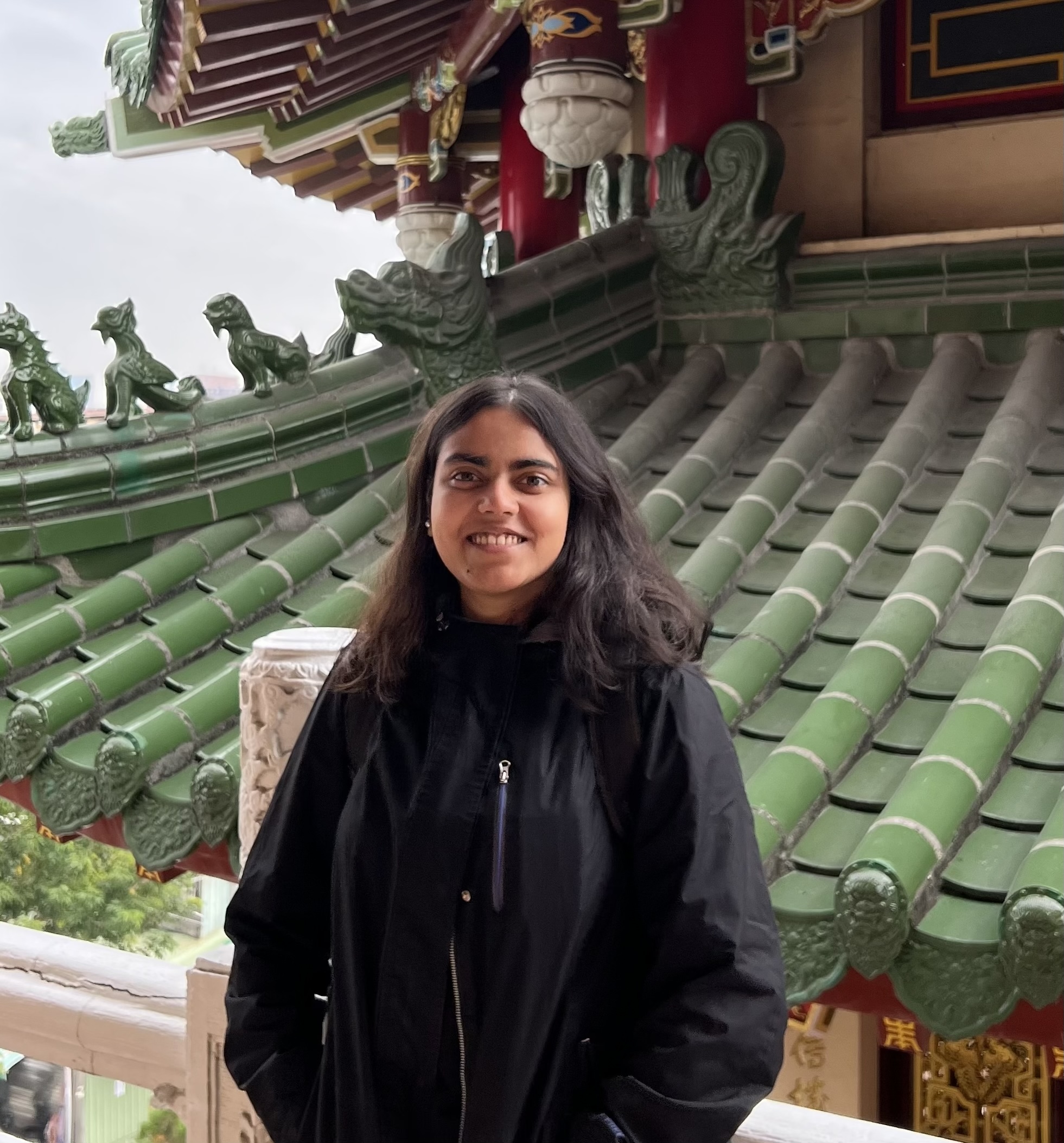 |
Love and Desire in Ovid’s Metamorphoses
I received a bachelors with honours in English literature from Miranda House, University of Delhi, after which I did an MPhil in Classics here at Trinity and an MA in Classical Reception at University College London. I was awarded the George Huxley Prize in 2022 and the W S Anderson Prize in 2024. My doctoral project is a comprehensive study of love and desire in Ovid’s Metamorphoses. I am also researching receptions of ancient Rome in Hindi commercial cinema of decolonial India. Email: jainkh@tcd.ie Supervisor: Monica Gale Funding: Trinity Research Doctorate Award 2024-28 |
Elena Loizou
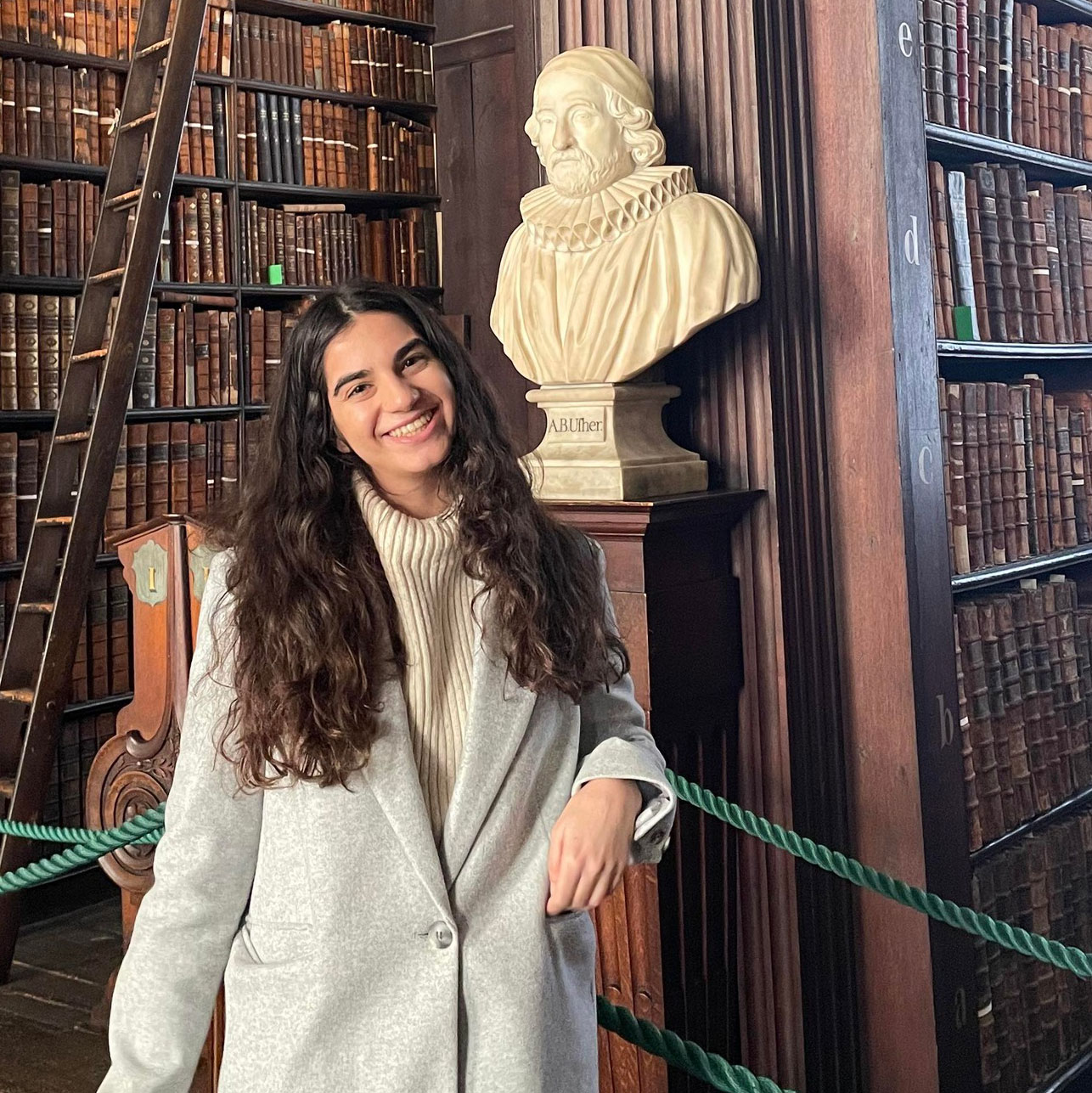 |
Ritual architecture and practice in Cypriot sanctuaries: From the Iron Age to Roman period
I received my BA in History and Archaeology, with a specialisation in archaeology, from the University of Cyprus, and subsequently completed the MPhil in Classics in Trinity College Dublin. The objective of my PhD project, which falls under the umbrella of Unlocking Sacred Landscapes (UnSaLa), is to focus on the architectural remains, features and assemblages of Cypriot sanctuaries from the Iron Age to the Roman period, in an attempt to reconstruct ritual architecture and practice in sacred spaces. Ritual when isolated from its context cannot be studied properly thus, the methodology of this thesis is based on reconstructions of ritual actions made by examining the assemblages and spatial distribution of objects in their architectural setting. The innovation of the project lies on the combination of two specific methodologies: a) the intra-site Geographic Information System (GIS) approaches to ritual and cult and b) the adoption of intra-and inter-site materiality approaches. Supervisor: Giorgos Papantoniou Funding: Trinity Research Doctorate Award (2023-2027) |
Sophie McGurk
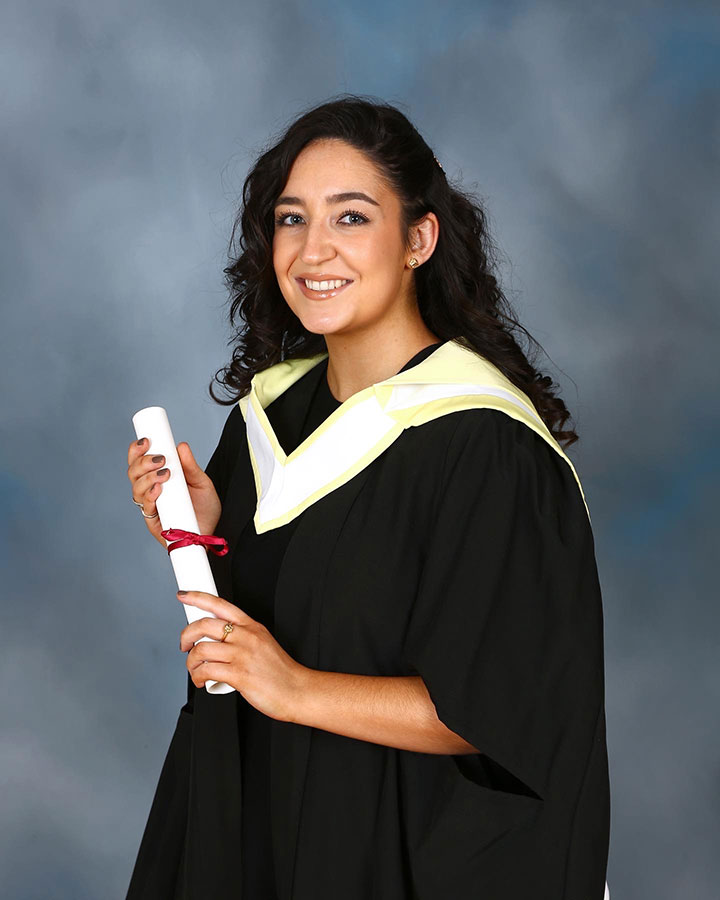 |
'Cultural Fathers': A Study of 'Paternal' Influence as a Critical Theme in Irish Classicism from the 19th Century to Present
I undertook my B.A. degree in English Literature and Classical Civilisation at Trinity College Dublin (2016-2020), which was followed by an M.Phil. in Classics at Trinity College Dublin (2020-2021), for which I was awarded the Huxley Prize. My PhD project examines the very close connection between the Irish Classical Tradition and the Irish literary canon from the 19th century to present, the prolific figures that comprise them, and the many oppositions and tensions that exist within them. One of my main areas of investigation involves an interrogation into the figure of the Irish Classicist and the question of what divides the scholar from the poet or creative writer, seeing as both are so embedded and intertwined in each tradition. Oscar Wilde, a Trinity Classics alumnus, is one of my main focuses as a case-study. Alongside my primary research, I am also actively interested in issues of cultural heritage, literary theory, and classical reception. Supervisor: Professor Ahuvia Kahane Funding: IRC Postgraduate Scholarship (2018-22) |
Miguel Ângelo Andriolo Mangini
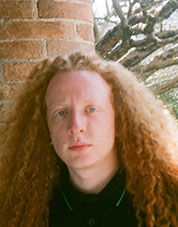 |
The Style of Virgil’s Georgics
I have a Bachelor's Degree in Portuguese from the Federal University of Santa Catarina and a Master's Degree in Classics from the University of São Paulo. My Ph.D. research is on the style of Virgil's Georgics. This mysterious piece of Latin poetry is framed as farming guide, but is filled with non-technical elements such as digressions on poetry, philosophy, and politics that make it difficult to tell what it is about or what it is. What do the vocabulary, morphology, syntax, word-order, phonetics, prosody of such a poem look like? A stylistic approach, which has never been carried out systematically, may offer further ways to think about the mystery of the Georgics. Supervisor: Professor Anna Chahoud Funding: Trinity Research Doctorate Award (2023-2027) |
Antigoni Michael
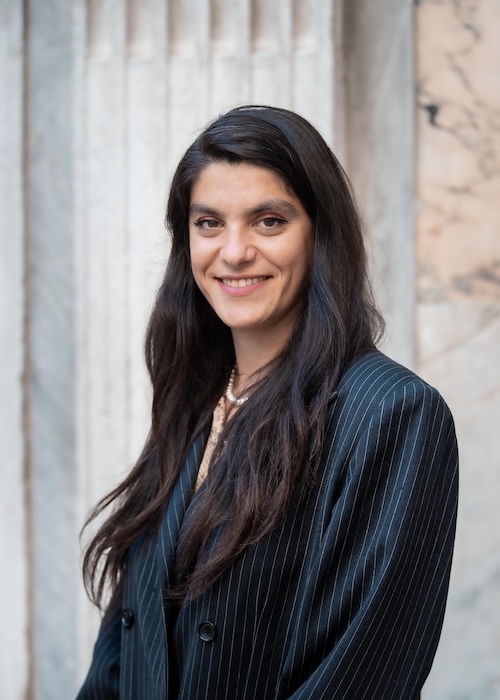 |
Echoes of the Ottoman Empire: Protecting Cultural Heritage in Conflict and Post-Conflict Zones of Southeast Europe (ECHOES)
I received my BA in History and Archaeology: Archaeology from the University of Cyprus, including an Erasmus semester at Roma Tre University (2010–2015). I then obtained an MA in Archaeology: Landscape and Heritage through a joint programme of Vrije Universiteit Amsterdam and the University of Amsterdam (2015–2017). I also obtained a diploma in tour guiding awarded jointly by the Deputy Ministry of Tourism of Cyprus and the University of Cyprus (2018–2020). I have worked in the cultural heritage and peacebuilding sector since 2016. My research, “Echoes of the Ottoman Empire: Protecting Cultural Heritage in Conflict and Post-Conflict Zones of Southeast Europe (ECHOES)”, focuses on the interrelationship between conflict, cultural heritage, peace, and the public through a longue durée approach. The key studies are Bosnia and Herzegovina, Cyprus, and Palestine as regions characterised by multi-ethnoreligious contexts. Supervisor: Dr Giorgos Papantoniou Government of Ireland Postgraduate Scholarship (2025–2029) Contact: michaean@tcd.ie |
Amy O'Keeffe
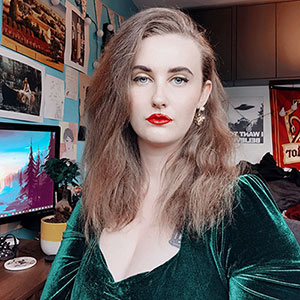 |
The (In)Tangible Body: Representations and Scholarly Attitudes Towards Body Modification in the Ancient Mediterranean
I have received both my BA in Ancient History and Archaeology, and my MPhil in Classics at Trinity College. I have worked in commercial Irish archaeology between these two degrees, which allowed me to have a first-hand perspective on how archaeology is both carried out and perceived on the ground. In my MPhil, I researched the archaeology of motherhood, and discovered that I have an affinity for archaeology of the body. In my current research, I wish to examine the body as the first port of call for self-expression.The way we modify our bodies can have a multitude of meanings, and may be interpreted in numerous ways. During the course of my research, I wish to create a searchable database of my research, which will bring greater accessibility to the primary evidence for body modification in the ancient Mediterranean. I wish to look at tattooing, cranial modification, scarification, and any other types of modification that may become evident upon research. I will incorporate a number of different methodologies, including physical anthropology, cultural anthropology, gender theory, and, of course, archaeology. Supervisor: Christine Morris |
Alexandra O'Neill
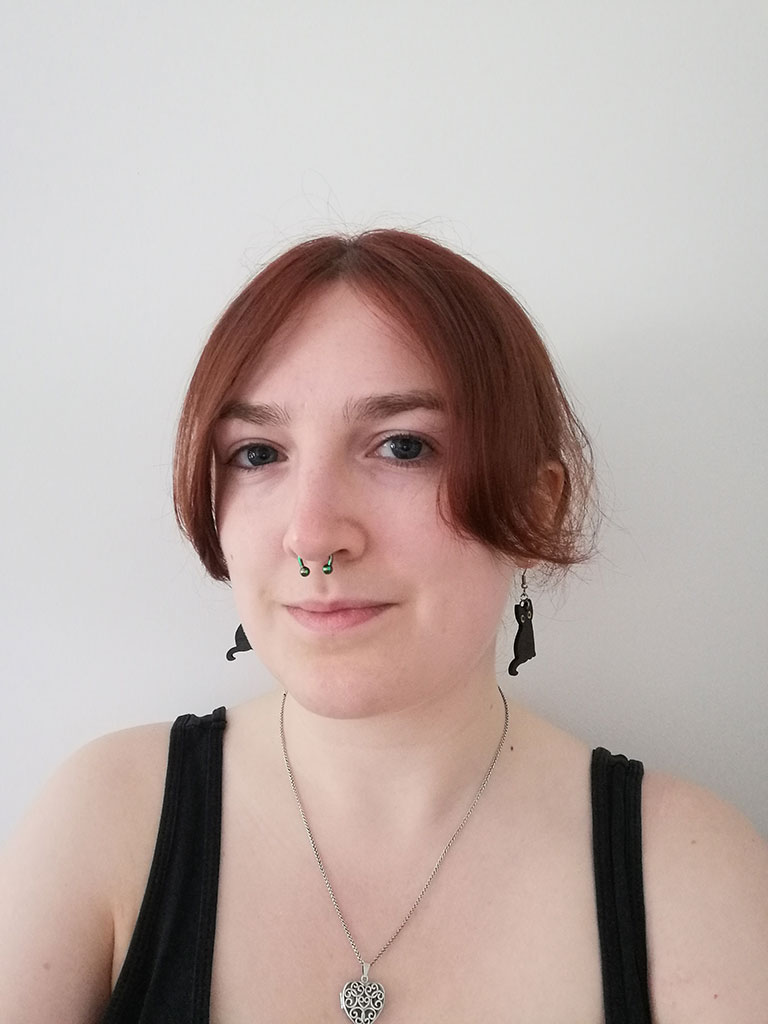 |
Embracing Tradition: 100 Years of Fascism and the Classics
I received my BA in Classics from the University of Manchester, and my MPhil, also in Classics, from Trinity College. My PhD research focuses on the history of classical reception by European fascist movements. Supervisor: Ashley Clements Funding: IRC Postgraduate Award (2023-2026) |
Marcelo Oliveira
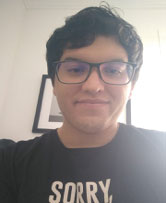 |
Nil ad nos de nobis attinet? Why Lucretian palingenesis can change us
Born and educated in Northern Brazil, I completed an undergraduate degree in Portuguese Language and Literature at the State University of Amazonas (2015). Subsequently, I obtained my Master’s degree in Linguistics from the State University of Campinas (2018). Having spent some years lecturing on Cicero’s rhetoric in my home country, now I have come to Trinity College Dublin to start a new research project on Lucretius Philosophy. My current focus is to explore Epicurean recurrence as a thought experiment to ponder our actions and further expand the reflections on personal identity and ethical dilemmas. Supervisor: Monical Gale Funding: John Dillon Fellowship (2022-2023) |
Mia Pancotti
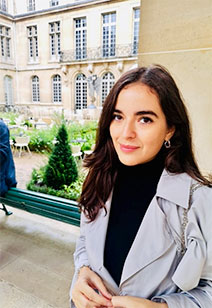 |
A Cognitive Model for Reading in Ancient Greece
After completing both BA and MA in Classics at the University of Siena, I spent a year in Paris at the Centre AnHiMA (EHESS) where I worked with the academic journal Mètis. My research investigates the phenomenon of reading in ancient Greece from an interdisciplinary perspective integrating Cognitive Neuroscience and Classics. Writing, which increasingly crowded the ancient visual environment, had no spaces between words, was initially boustrophedon (alternating the lines in opposite directions) and made extensive use of graphic formulae and visual clues. If reading constitutes an involuntary psychophysical habit for us, how was this skill configured for a society in which writing interacted with orality and where only a few individuals were educated in literacy? The recent scientific discoveries coming from the ‘Science of Reading’, if well situated in literary/semantic and paraliterary/epigraphic evidence, may attempt to restore a proper neurocognitive weight to this phenomenon. https://tcd.academia.edu/MiaPancotti Supervisor: Ahuvia Kahane Funding: IRC Postgraduate Scholarship (2023-27) |
Sabrina Tamanti
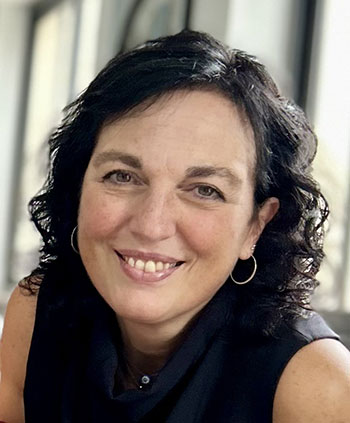 |
Secundum Natura Vivere: Seneca, Stoic Ethics and the Philosophy of Neurodiversity This research identifies a lineage between Stoicism and contemporary neurodivergent philosophy. Drawing on Seneca's own reflections alongside ancient and modern authors within the Stoic tradition, it explores whether Stoic precepts and tools can be reinterpreted in support of — and in contribution to — the affirmation of neurodiverse educational strategies, ways of thinking, feeling, and being. Supervisor: Professor Anna Chahoud |
Aaron Ticknor
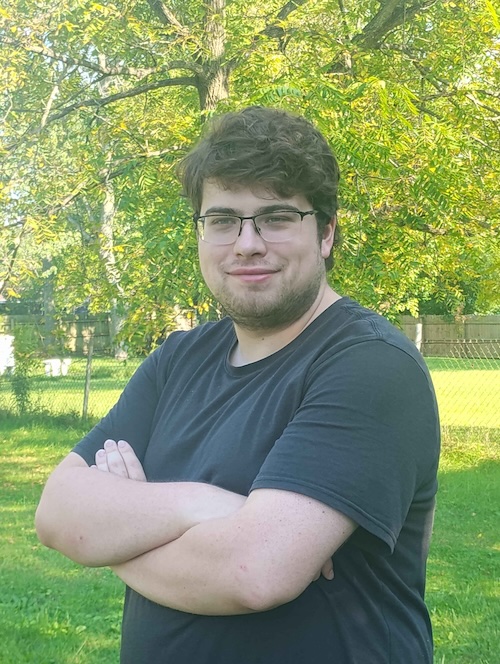 |
The Ecology of Man and Nature in Lucretius’ De Rerum Natura I received my BA in Classics and Philosophy from Xavier University, after which I attended the University of Edinburgh where I received my MSc in Ancient History. The focus of my PhD research is an ecocritical analysis of Lucretius' De Rerum Natura. In short, this project is to consider both the ways in which the natural world is depicted in Lucretius' poetry and to understand an Epicurean perspective on humanity's relationship with the natural world. In this I plan to consider Lucretius' discussions on animals and politics, as well as the depiction of gender in the poem, particularly in regards to the depiction and association between a feminine nature and the goddess Venus. Supervisor: Monica Gale Funding: Provost Thomas N. Mitchell Ussher Fellowship in Classics Contact: ticknora@tcd.ie |
Pietro Gabriele Tozzi
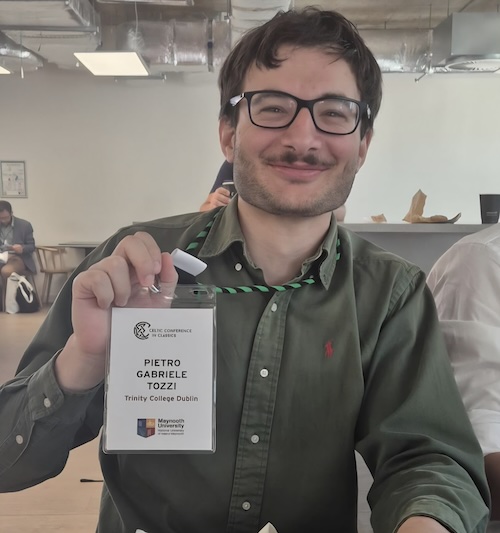 |
Philosophy through the Similes: Lucretius' Relationship with his Models I completed both my BA in History and Greek and Roman Civilisation and my MA in Roman studies at University College Cork. My PhD project focuses on Lucretius' De Rerum Natura. The objective of the research is a study of Lucretius' similes and of the relationship with their models, a topic which has been neglected in the past. I intend to examine authors such as Homer, Plato, Empedocles, Aristotle, and Ennius in order to establish who were Lucretius' main models for his similes and to analyse the changes which Lucretius applies to such models. I hope to show that most of the times Lucretius' modifications have the purpose of implicitly criticising the philosophical worldview of his model and adjusting it to Epicurus'. Supervisor: Monica GaleFunding: IRC Postgraduate Scholarship (2024-7) |
Francesca Vitali
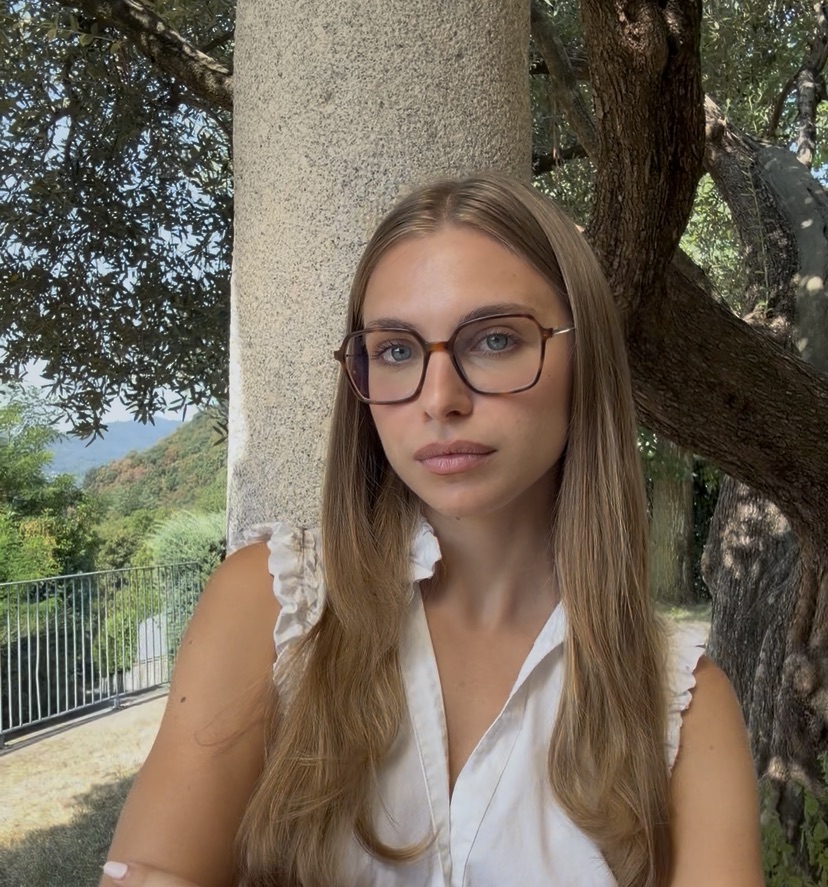 |
Ovid's Amores After completing my BA in Classics at Sapienza University of Rome as a selected member of the Sapienza School for Advanced Studies (SSAS), I pursued an MSt in Classics at the University of Oxford. My PhD research focuses on Ovid’s Amores, a collection often overlooked or dismissed as a lusus. Bringing together classical philology and reception studies, my project shifts attention from Ovid’s authorial voice and intent to the reader, examining how features often regarded as problematic, comic, explicit, or morally ambiguous may function as strategies of reader engagement and identification. Through close philological readings of the elegies and selected modern reception case studies, the project reassesses Ovid’s early elegiac poetics and the collection’s long-debated features, while considering how the Amores might continue to be received and interpreted today. More broadly, my research thus also explores how irony, imperfection, and untimeliness can create productive points of engagement between ancient texts and contemporary readers. Email: vitalifr@tcd.ie Supervisor: Monica Gale Funding: TCD Classics Department, Ferrar Memorial Studentship in Ancient Philology (2025-2029) |