


TRiSS News and Events

Bitesize Talk and Pizza: Technology and Society, Wed 1 November, 1pm
Bitesize Talks and Pizza are back! Join us on Wed 1 Nov, 1pm, at the TRiSS Seminar Room to hear a snapshot of social science research projects.

TRiSS Travel Bursaries
Reminder, the deadline for TRiSS Travel Bursaries is Friday 20 October, 5pm
TRiSS Research Fellowships 2023/24
Congratulations to our 2023/24 TRiSS Research Fellowships awardees!
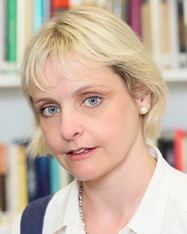
Prof Tannam's OpEd in Irish Times
Read the OpEd by Prof. Etain Tannam on the Windsor Framework in the Irish Times
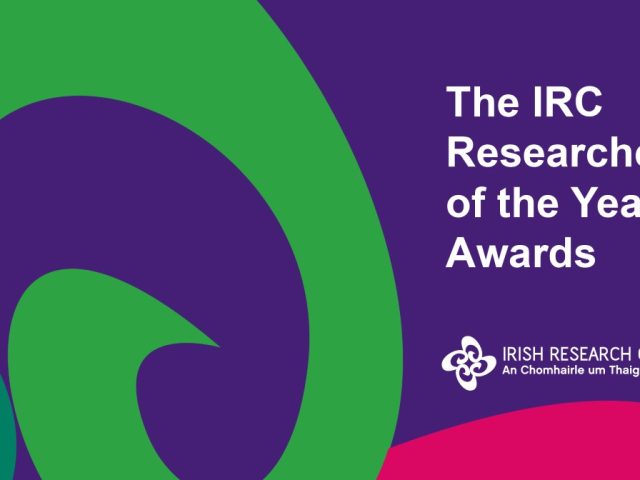
IRC Research Ally Awards
Congratulations to the TRiSS academics who were presented with an IRC Research Ally Award
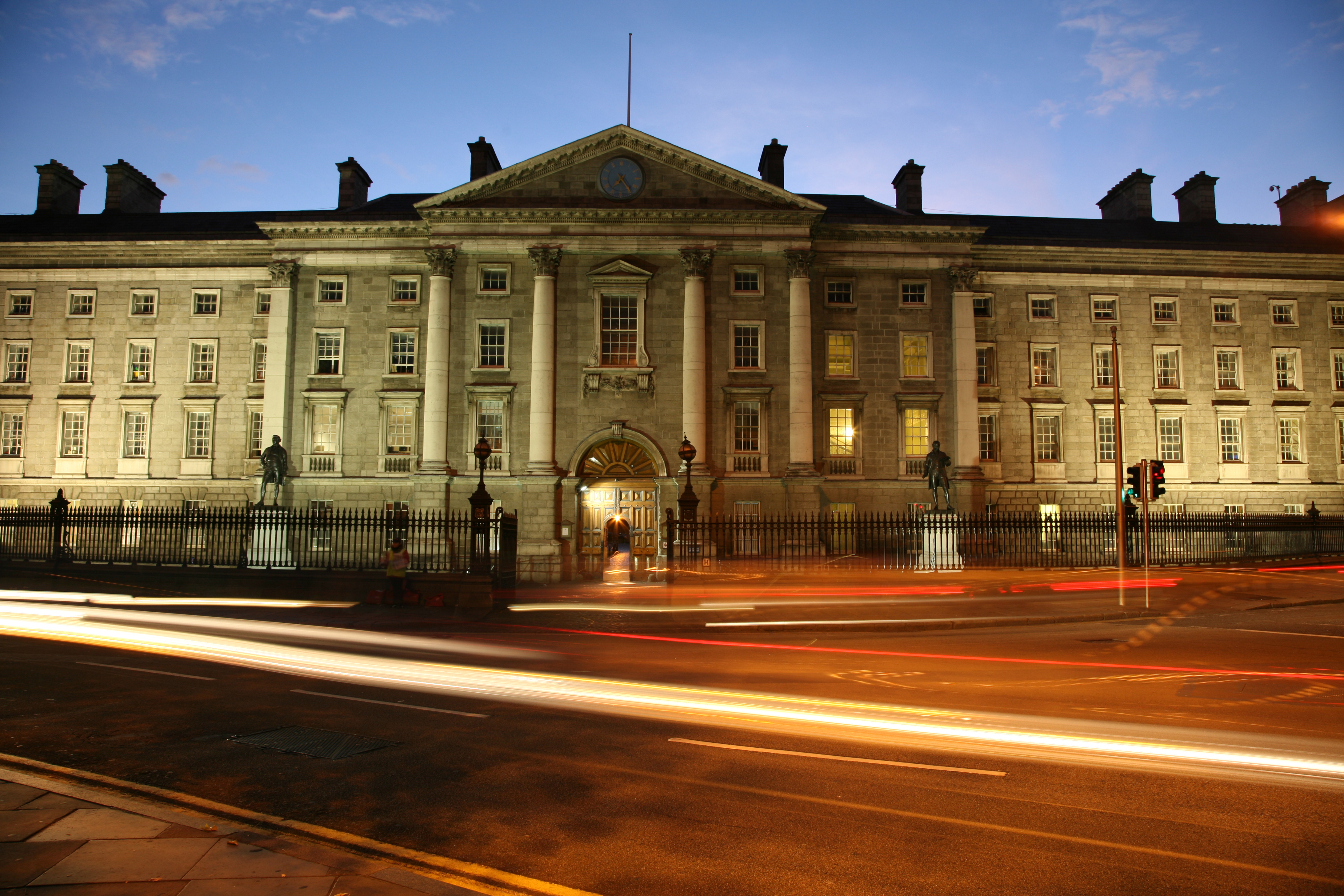
Seminar on EU Criminal Law: Cooperation and Mutual Trust Post-Brexit, 9 Dec, 3.30 - 5pm
Two scholars will discuss current research into some post-Brexit developments in EU criminal law, at the TRiSs Seminar Room.

Lunch time seminar by Riikka Korkiamäki, 8 Nov, 1 - 2pm
Join us for Prof Riikka Korkiamäks talk on Rethinking everyday solidarity – insights from two studies with young people in Finland, at the TRiSs Seminar Room.
Young Irish Economists hold inaugural session October 6 2022
Xidong Guo will be the first speaker for the YIESS series. He will present his paper "Assessing the Outcome of the 2008 Consultants’ Contract Reform in Ireland.
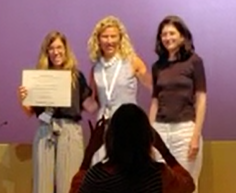
TRiSS Scholar wins Young Economist Award
Laura Muñoz Blanco was awarded the 2022 EEA Young Economist Award for her paper on the relationship between child/early marriages and natural disasters
TRiSS Fellowship Awards 2022/23
Congratulations to the academics and postgraduate students who have been awarded a 2022/23 TRiSS Fellowship
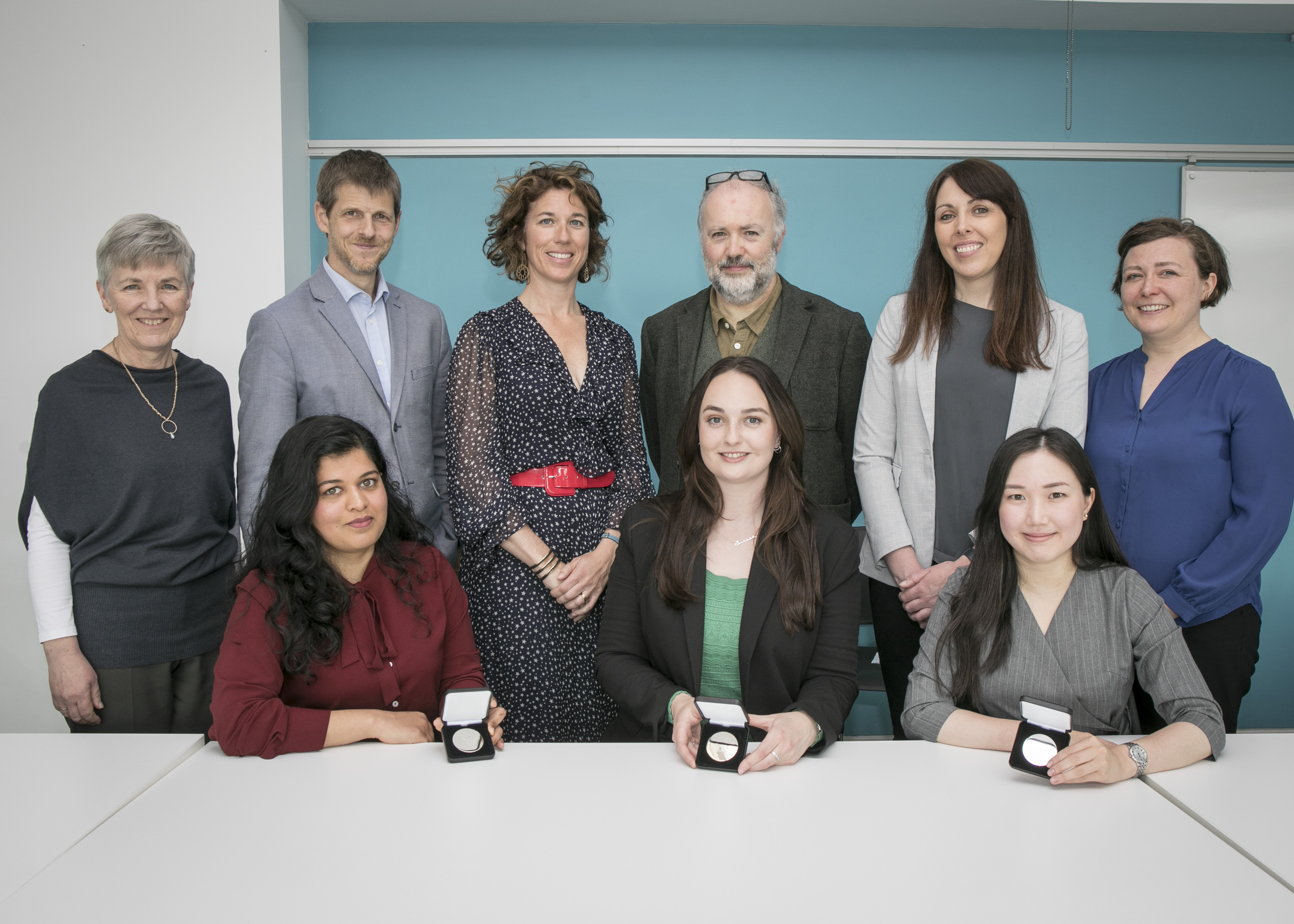
Dermot McAleese Teaching Awards 2021/22
Well done to TRiSS winners and nominees of the Dermot McAleese Teaching Awards.
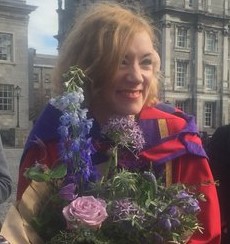
TRiSS New Fellows
Congratulations to all the TRiSS affliated Fellows announced on Trinity Monday.
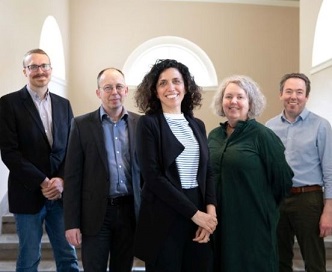
€3.8m funding secured by Economics Dept
Trinity economists, in collaboration with colleagues in Queen’s University Belfast, have been awarded €3.8 million to establish an All-Ireland Centre of Excellence in Economics, History and Policy.
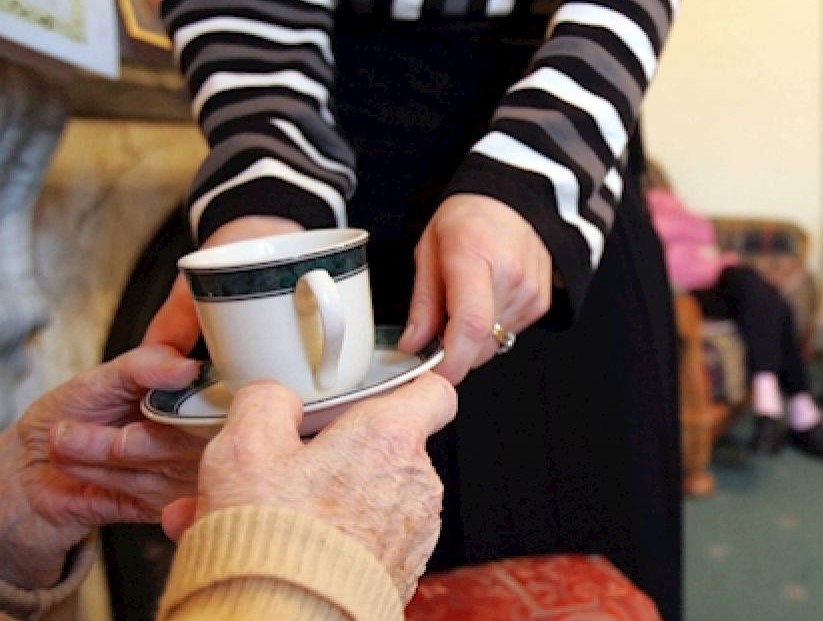
A House to Live and Pay for Care: Nursing Home Policy Change in Ireland
A talk by TRiSS Visiting Scholar, Stephan Köppe. Click here for more details and a link to register.
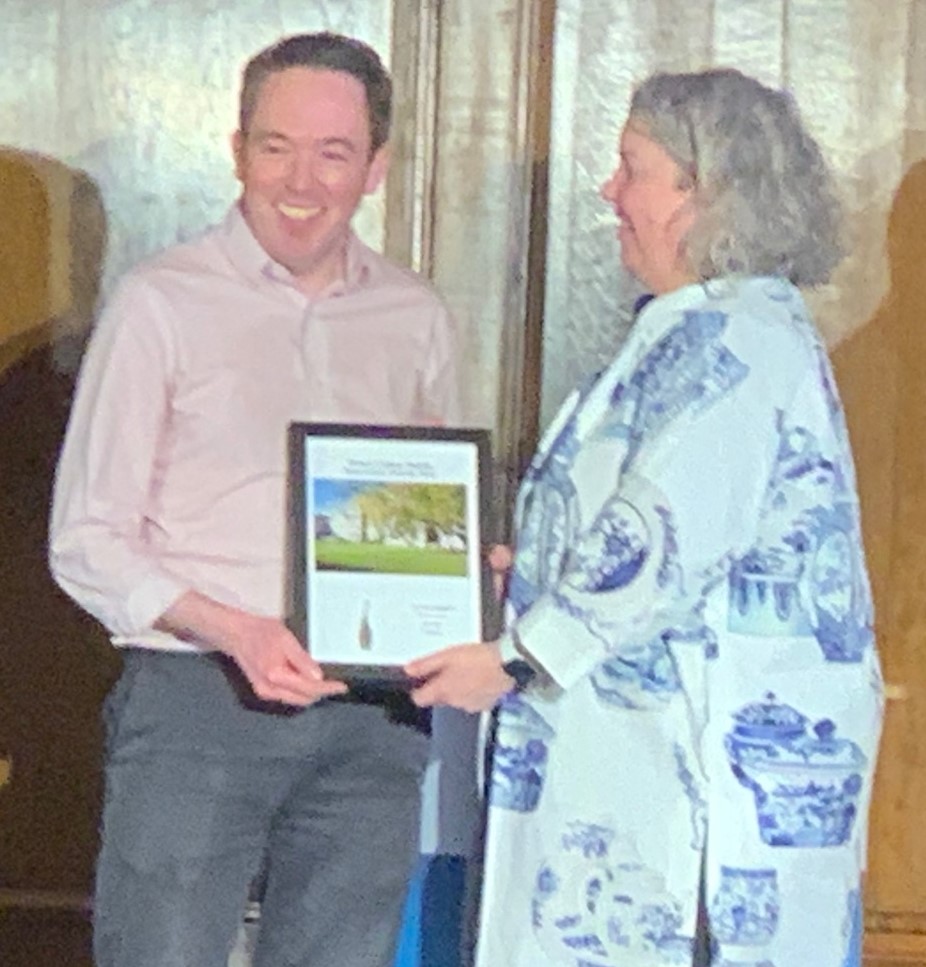
TRiSS Director celebrated at Trinity Innovation Awards
Click here for details.

Areuea International Conference - Dublin July 6-9, Save the date!
AREUEAs annual International Conference over the years has become the leading conference to address global developments in international topics that affect real estate and urban economics. The conference will be hosted by the Department of Economics and TRiSS at Trinity College. Click here for details.
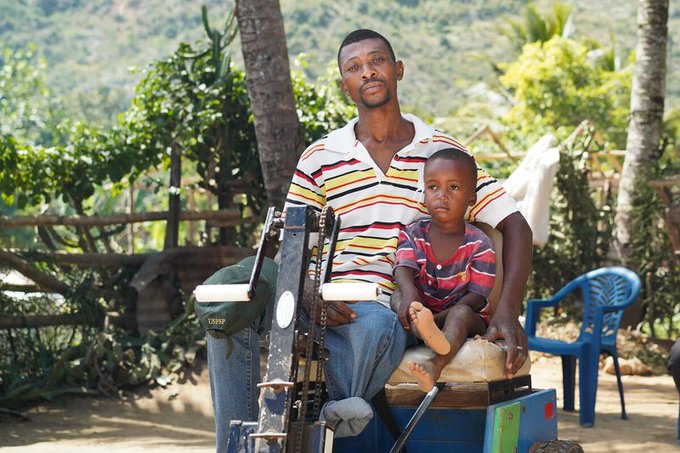
Trinity and the World Food Programme host online event to focus on intentional inclusion of people with disabilities in the fight against hunger
Click here for details.

Upcoming webinars from the Trinity Centre for Asian Studies.
Click here for details of this exciting new series.

The new Trinity Research in Social Sciences Podcast is now live.
Click here for a link to all the episodes of the new TRiSS podcast.

Congratulations to all the recipients of TRiSS Research Fellowships.
Click here for details of the successful projects.

The Department of Sociology Welcomes New Marie-Curie Fellow.
Dr Alina Cosma will join the Department of Sociology in February 2022 as a Marie Sklodowska-Curie Fellow with Dr Yekaterina Chzhen as supervisor to study trends and variation in adolescent mental well-being in Ireland and across Europe.

The TRiSS Postgraduate and Academic Fellowships 2021 are now closed for applications.
Click here for more details on the fellowships.
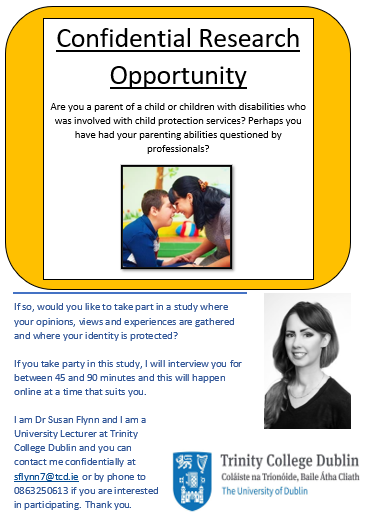
New Research Opportunity for Parents of a Child or Children with Disabilities.
Dr Susan Flynn is pleased to announce a new research opportunity for parents of a child or children with disabilities. If you are interested in applying or would like more information the full details can be found here.

FIERCE PhD Studentship – Provost Award.
Dr. Kristin Hadfield at Trinity College Dublin has funding for a PhD student to study mother-child relationships among refugees. The deadline is April 9th.
Update from a Postgraduate Fellowship project.
Laura Muñoz Blanco was a recipient of a TRiSS Postgraduate Fellowship last year. Click here to read an update from her project and how the fellowship supported it.

Video: longitudinal research explained
Professor Richard Layte discusses longitudinal research during a webinar series designed to help Early Career Researchers who are interested in longitudinal studies.
Update from a Postgraduate Fellowship project.
David Moore was a recipient of a TRiSS Postgraduate Fellowship last year. Click here to read about his project and how the fellowship supported it.

Disability and Child Protection: Towards a Better Understanding.
Webinar on Friday 26th March at 10:00am-11.00am (Dublin Ireland time), hosted by the School of Social Work and Social Policy, Trinity College Dublin. Register here.

Congratulations to Prof Timonen and Dr Lolich whose article is one of Emotions and Society's top five most read articles published in 2020.
An article by Luciana Lolich and Virpi Timonen titled 'Fortunate and fearful: emotions evoked by home-care policies for older people in Ireland' was one of the most downloaded articles published in Emotions and Society in 2020.
Covid-19 Law and Human Rights Observatory public policy report.
The Covid-19 Law and Human Rights Observatory have published their first public policy report. Click here for more information.

The TRiSS Researcher Directory is now live.
The TRiSS Researcher Directory is a user friendly guide to the most recent research being conducted within the Social Sciences at Trinity College.